SMELLS LIKE TEEN SPIRIT
As artists, craft-mans ourselves we know how much dedication and time we have invest to create something unique. We believed at The Saints that first we had to start with an A team and then everything else would happen naturally. I am honored to be the president of such a team and without any doubt couldn’t have done anything without my partners, associates, mentors and as I like to call them my righty and lefty hands: Atam Sahmanian, Ivelise Grimaldi, Michael Hamilton, Meloudi Sargizian and guest curator Constanza Cerullo. I truly hope collectors, investors, advisors, the general public, corporations, trusts and estate attorneys enjoy this exhibition.
It’s a dream come true.

About the Exhibition
It was back in 1990’s when the Grunge movement emerged in Seattle. A mix between heavy metal and punk, but far enough from any of both to be considered a subgenre. The name that entitles this exhibition Smells like teen spirit comes from the most acclaimed song for this movement, created by Nirvana, which became known as the “anthem for apathetic kids” of the X generation. It is known that Cobain was looking forward to create a Pixie’s style song, when he came up with the song title after a graffiti his friend Kathleen Hanna, at the time the lead singer of the riot grrrl band Bikini Kill, wrote “Kurt Smells Like Teen Spirit” with spray paint on a wall. This happened after a series of discussions on anarchism, punk rock, and similar topics. Cobain interpreted the slogan as having a revolutionary meaning. Little he knew that what Hanna actually meant, however, was that he –Cobain- literally smelled like the deodorant Teen Spirit, which his back then girlfriend Tobi Vail used to wear. After the song became a hit and a chart record in many categories, Cobain claimed he was unaware that it was a brand of deodorant, and he was not comfortable about it, on the other hand, Teen spirit company, used the song repercussion on it’s favor to generate slogans such as “the smell of your generation”. This anecdote seems like the perfect prelude to introduce the selection of artists that take part on this exhibition. Rebels by heart, young spirits, ideas and ideals defiants, individuals that having a critical look over society, emulating their idols but also being irreverent, found their own voice and expression.
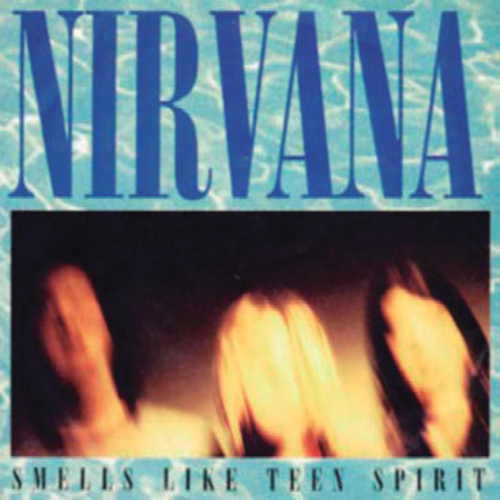
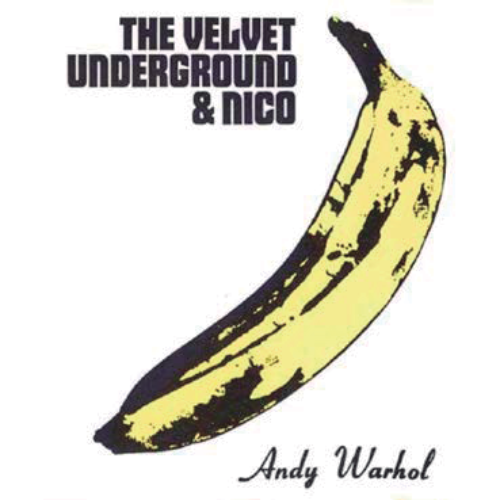
The unexpected success of “Smells Like Teen Spirit” in late 1991 propelled Nevermind to the top of the charts at the start of 1992, an event often marked as the point where alternative rock entered the mainstream. The exhibition counts with works of historic artist that are the fathers of Pop art in America: Warhol, Lichtenstein, Ruscha together with artists that worked close to them but with another approach to the popular sphere, urban graffitis and grafisms: Basquiat, Haring, Banksy. Many artists present in this exhibition have worked closely with musicians, making collaborations and designing disco covers: like Vasarely (David Bowie), Bridget Riley (Faust), Jeff Koons (Lady Gaga), Banksy (Blur), Richard Prince (Sonic youth), Danien Hirst (Red hot chili peppers) and Warhol (Velvet Underground) just to mention a few. Ideas of music, color harmony, visual rhythm, music-art relations, jokes, childhood elements and rebellious atitude guide the whole selection. The connection between art and music was formulated in 1675 with Newton’s color wheel, an instrument that lays out the seven colors that Newton identified in the color spectrum. Newton chose seven colors in an effort to link each color to a musical note: red (C), orange (D), yellow (E), green (F), blue (G), indigo (H) and violet (B). When the wheel is spun quickly, the colors look white. The corollary of this color-music fusion lay the basis for a systematic pursuit of chromatic harmony analogous to musical harmony.
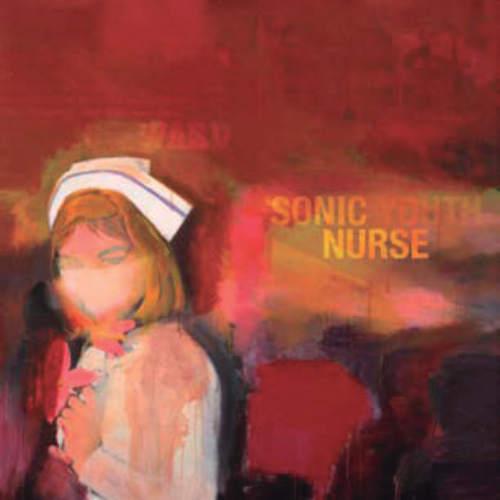
Richard Prince for Sonic Youth
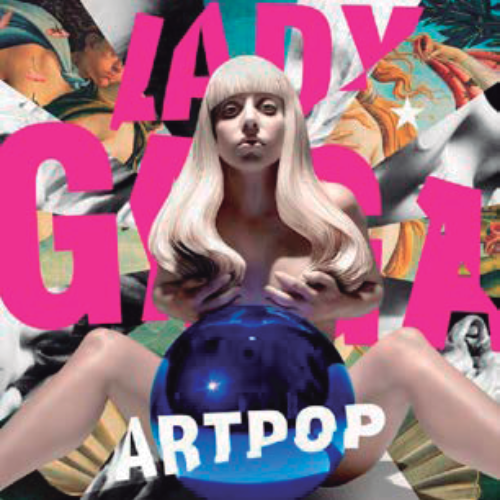
Jeff Koons for Lady Gaga
The early 20th century witnessed a proliferation of artists intents on renovating abstraction through music: the Orphism of Kupka and the Delaunays, Paul Klee’s polyphonic paintings and Kandinsky’s synesthetic vision. This is the time when Austrian composer and painter Arnold Schönberg made use of painting to revolutionize music, asking himself, “What if music could be seen not as a progression of notes or melodies but as a series of colors, changing slowly and carefully over time?” In pursuit of that, Schönberg developed what was called an atonal composition system, which is characterized by the use of a chromatic scale with no hierarchy whatsoever; his compositions do not have a key. It was John Cage who brought this revolution in music to the sphere of art. In his 4’33,” he formulated his full range of ideas about chance as generator of art. Not only did Cage focus on silence as a sound value, he also emphasized the artistic potential of daily life, like the bustle that ensues during each performance of 4’33,” which changes with each audience and undermines the figure of the performer since the background noise does not depend on him.
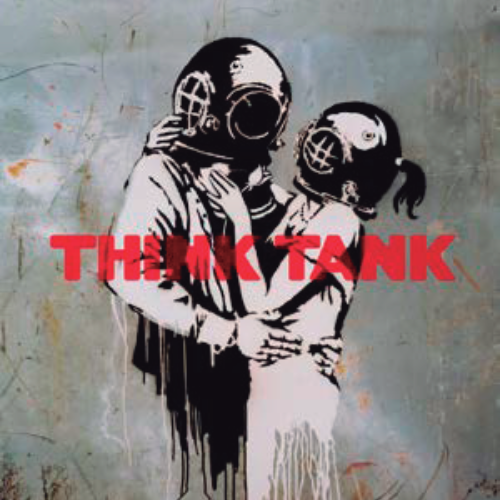
Banksy for Blur
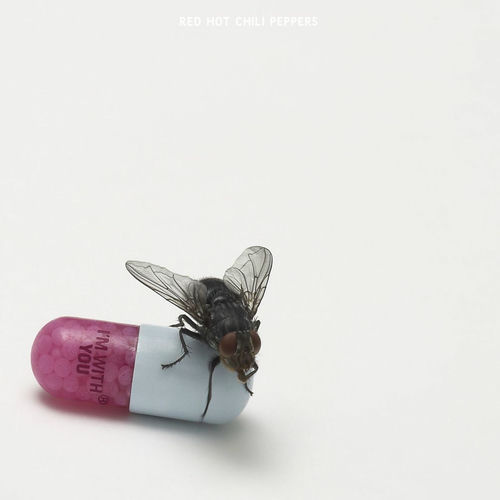
Damien Hirst for Red Hot Chili Peppers
John Cage’s work effected a striking revitalization of the concept of melody and, therefore, of chromatic harmony. As a direct result of Cage’s work, artists like Robert Rauschenberg, Frank Stella and Blinky Palermo—to name just a few of the artists who turned their gaze to daily life—–worked with paint store color samples in their pursuit of new chromatic compositions. Introduced in the market in the late 19th century as a result of the industrialization of paint, color samples were at a remove from theories of tonal harmony, as well as any symbolic or expressive importance in relation to the choice of a certain color. The use of color samples became more significant after World War II, when color became a readymade at the artist’s disposition. “Each strip of paper is a perfect abstract painting in miniature, or a compact example of colour serialism or one page of a vast catalogue raisonné of monochromes.” The colors on these charts were assigned a generic name or number. Gerhard Richter, with paintings entitled simply Color Chart, is an emblematic example of these artists. Similarly, Alighiero Boetti forged a particular connection between his paintings and the workers at the Fiat plant in Turin by means of monochromatic works that provided a color’s name and code— which were particularly familiar to the plant workers—while showing a color. This interest in dissociating color from conventional chromatic theory, sets a new scale where urban or artificial colors are appreciated over those found in nature.
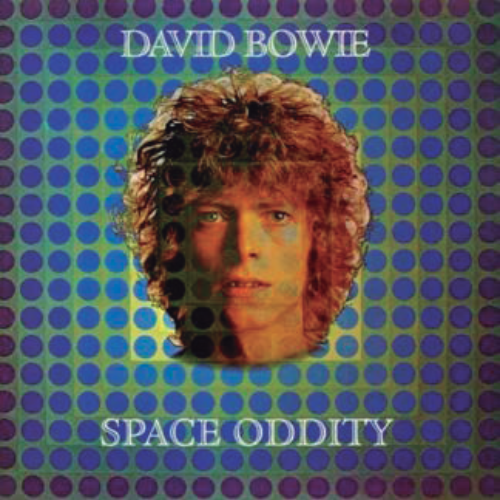
Victor Vasarely for David Bowie
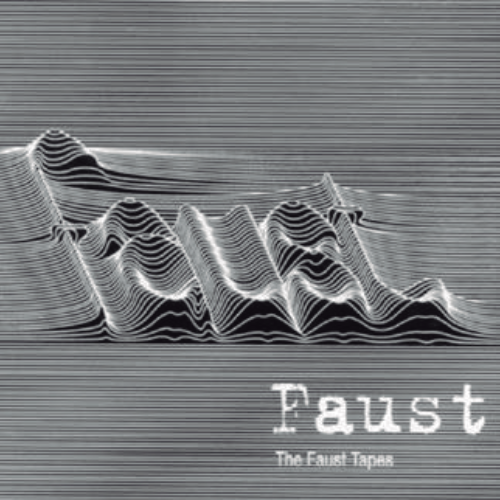
Bridget Riley for The Faust
Selection of Artists
Keith Haring
(b. 1958-1990, USA)
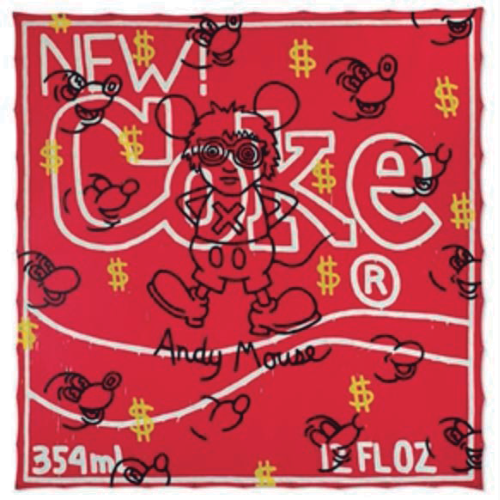
Andy Mouse –New Coke, (1985)
Acrylic/unstretchedcanvas, 303 x 296 cm
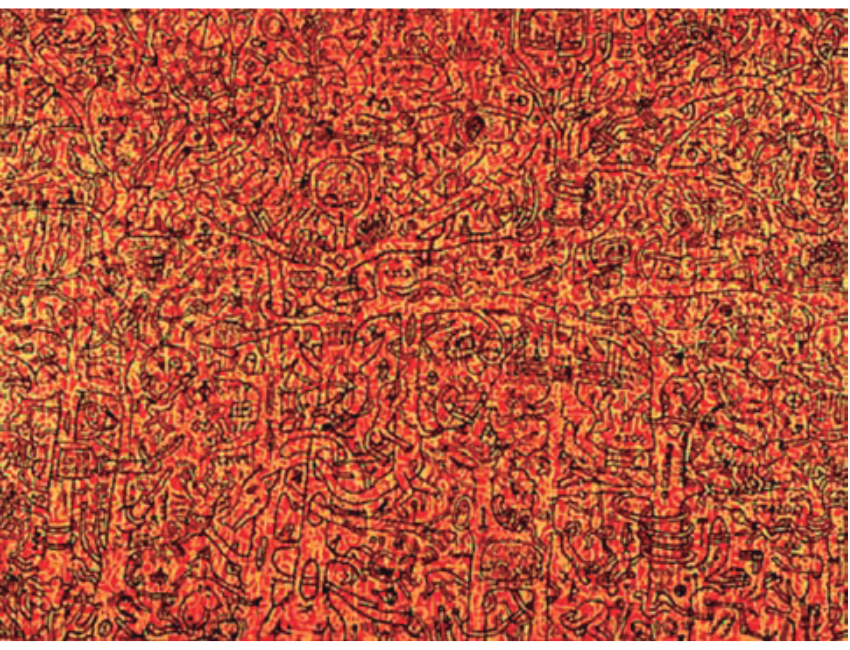
The last rainforest, (1989)
Acrylic, enamel/canvas, 182 x 242 cm
Andy Warhol
(b. 1928-1987, USA)
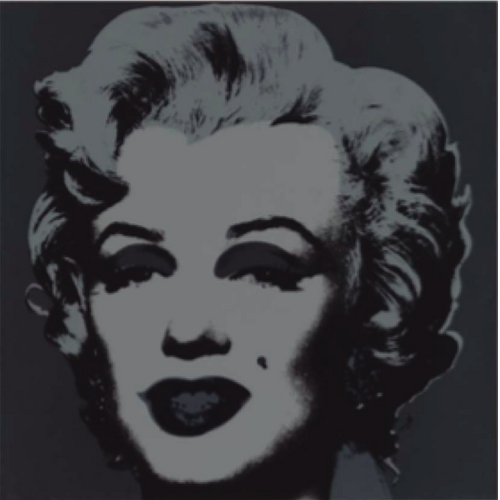
Untitles, Marilyn Monroe, (1967)
Screen print in colors on paper, Ed.250, 36 x 36 in
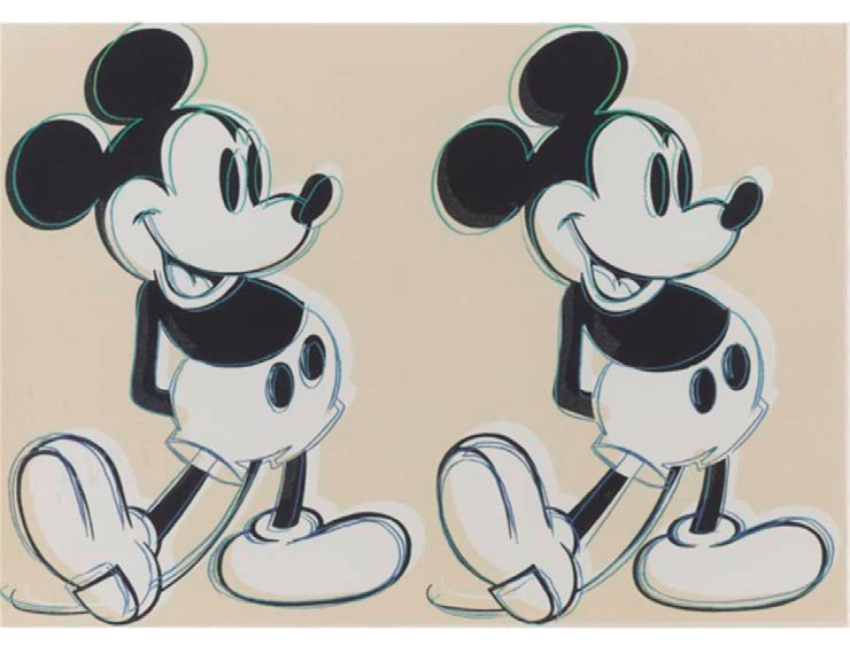
Double Mickey, (1981)
Screen print in colors on paper, Ed 25, 30 x 43 in
Roy Lichtensten
(b. 1923-1977, USA)
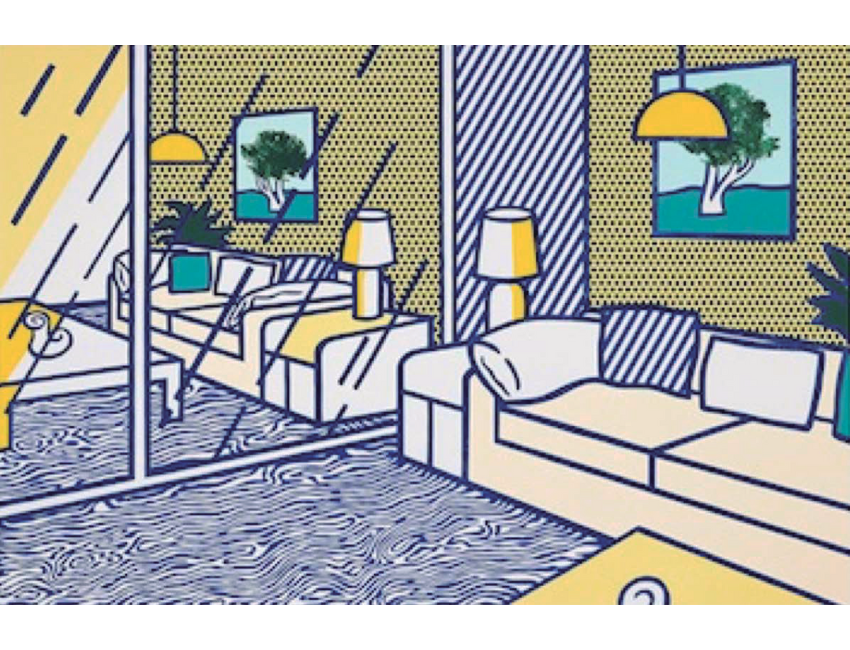
Blue floor, (1990)
Lithograph, Screen Print, Woodcut on Museum Board, 51 x 77 in
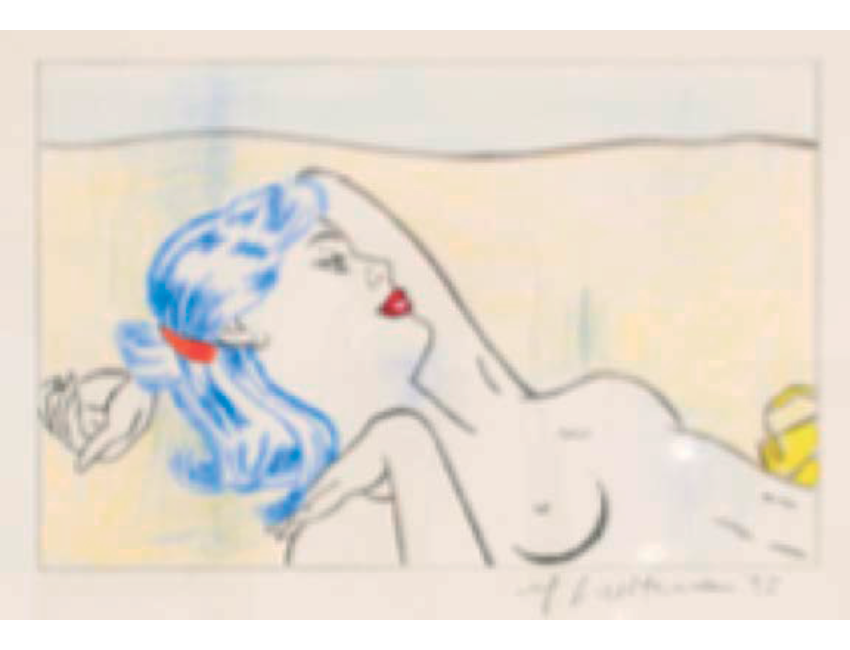
Nude with yellow beach bag, (1995)
Graphite and color pencil on tracing film, 10 x 13 in
Richard Pettibone
(b. 1938 C.A., USA)
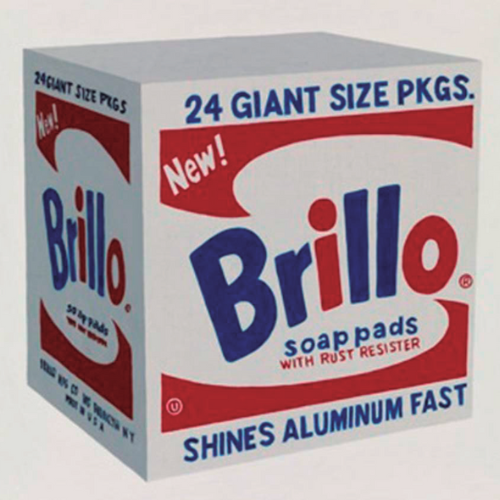
Warhol, Brillobox, (2007)
Oilon canvas. 23 x 23.5 in
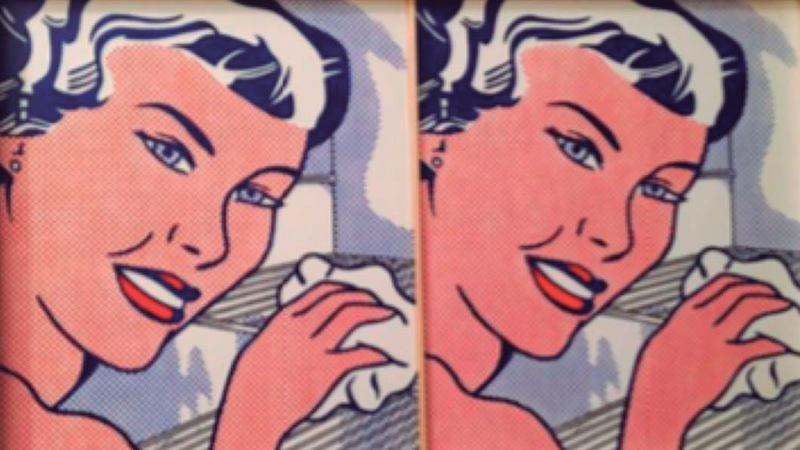
Roy Lichtenstein, The efrigerator, (2010)
Graphite and color pencil on tracing film, 10 x 13 in
Takashi Murakami
(b. 1962 Tokyo, Japan)
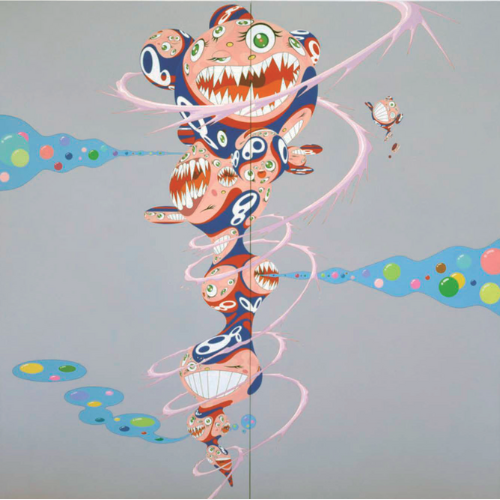
The Castle of Tin Tin, (1998)
Acrylic on canvas mounted on board, 118-1/8 x 118-1/8 in
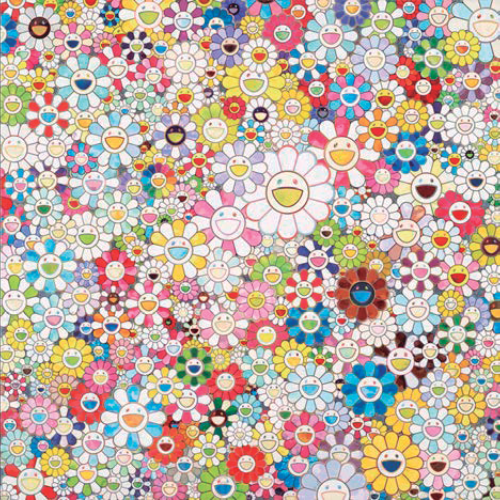
When I Close My Eyes, I See Shangri-la, 2012
Acrylic on canvas mounted on board 78 3/4 x 78 3/4 in
Christopher Wool
(b.1955 -Chicago, United States)
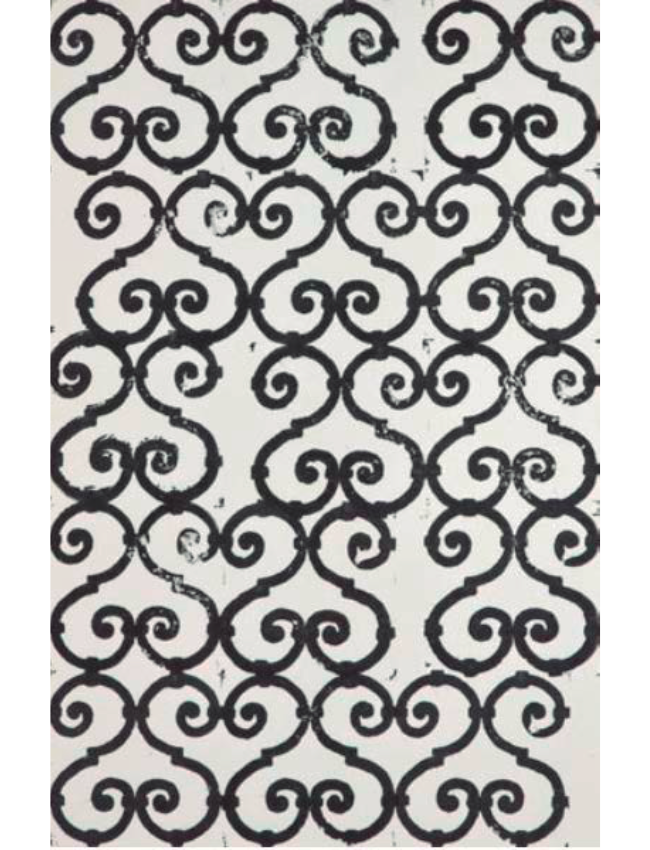
Untitled, (1988)
Alkyd on paper, 40 x 26 in
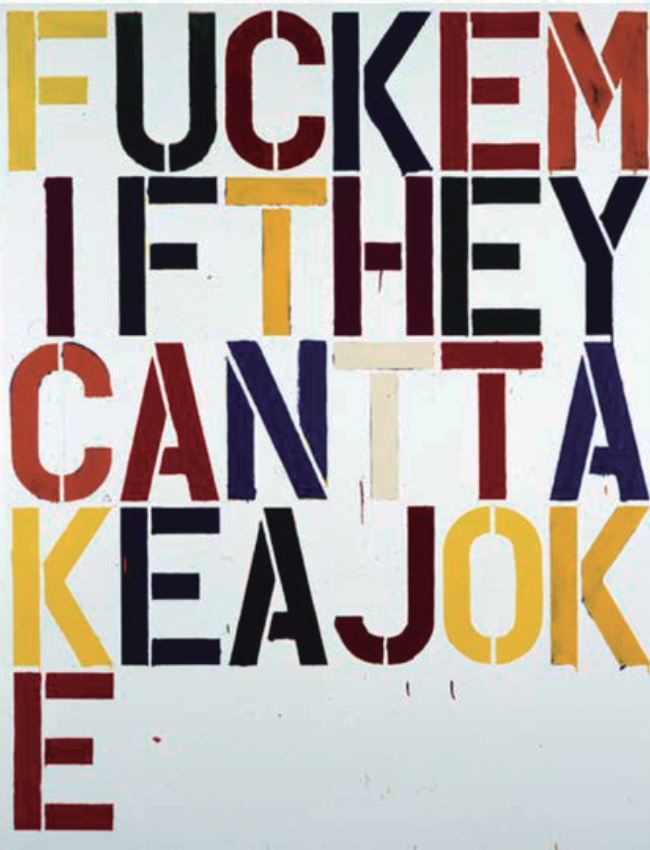
Untitled, (1993)
Alkyd and flasheon aluminum and steel 84 x 72 in
Mark Grotjahn
(b. 1968 in Pasadena, California, USA)
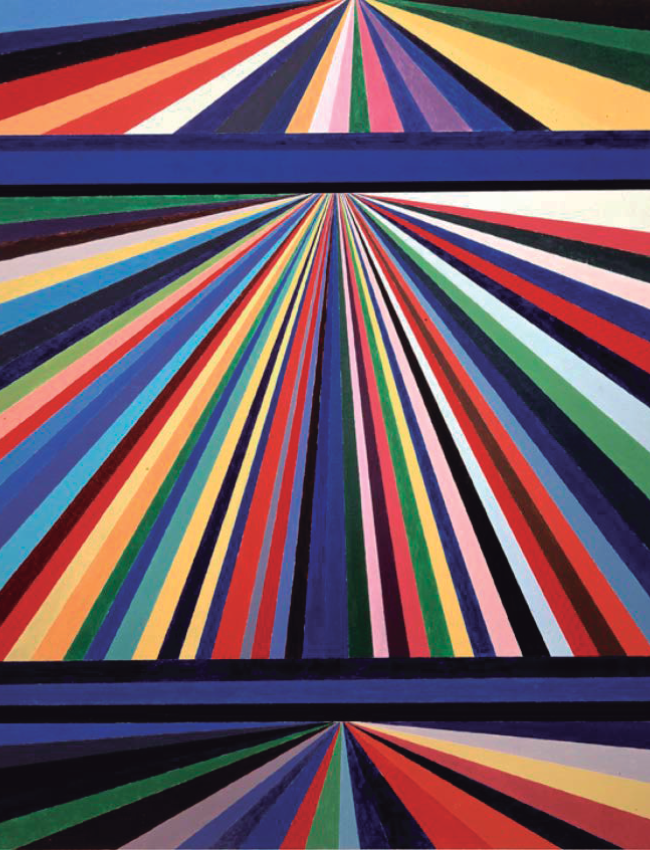
Untitled (Three-tiered perspective), (1998)
Oil on linen, 60 x 48 in
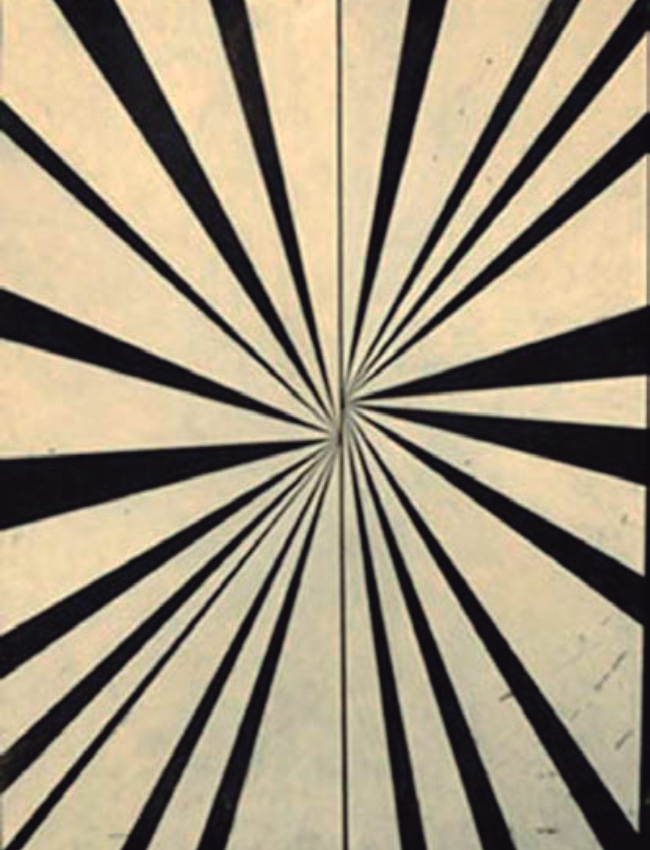
Untitled (Black and Cream Buterfly), (2006)
Bij elke nieuwe login bevestigt luckytwice-nederland.com de goede indruk die in het eerste moment al werd achtergelaten. Strategiegidsen voor tafelspellen richten zich op beginners en gevorderden gelijk. De inzetvoorwaarden van de bonussen zijn transparant weergegeven en voor de branche relatief gunstig. Nederlandstalige supportmedewerkers zorgen ervoor dat taalbarrières geen rol spelen. Speciale Nederlandstalige tafels worden op bepaalde tijdstippen aangeboden. De servers bevinden zich in gecertificeerde datacenters met hoog beveiligingsniveau. Filtermogelijkheden maken het sorteren mogelijk op aanbieder, uitkeringspercentage of volatiliteit. Spelers kunnen hun favorietenlijst ook mobiel bewerken en beheren. Of het nu gaat om korte sessies of uitgebreide speelavonden, het casino biedt altijd passend aanbod.
Crayon and mixed media on board, 122 x 89 cm
Jean Mitchel Basquiat
(b. 1960 –1988, Brooklyn, USA)
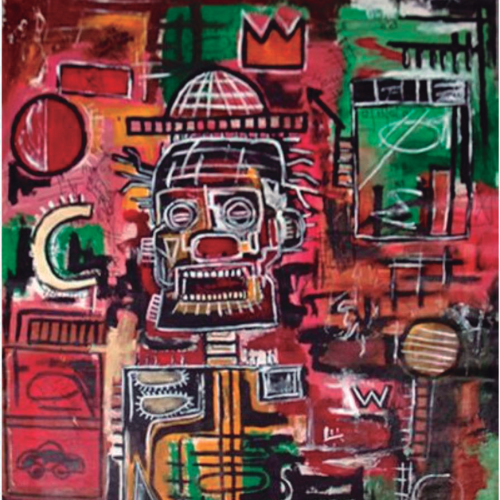
Head of the world, (1986)
Acrylic and mixed media on canvas, 183 x 173 cm
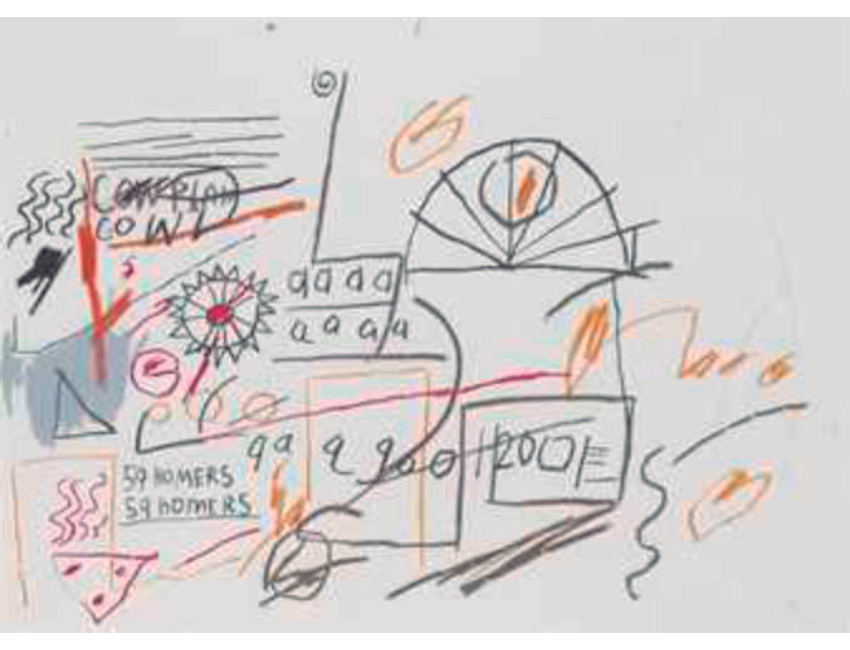
Untitled, (1982)
Colored oilstickson paper, 30 x 22 in
Tom Wesselman
(b.1931 –2004, USA)
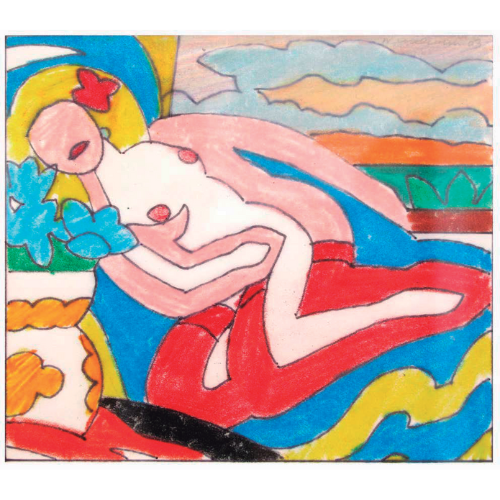
Study for sunset Nude ( red stockings, knees up), 2003.
Drawing pencil and watercolor; 10 x 12 in
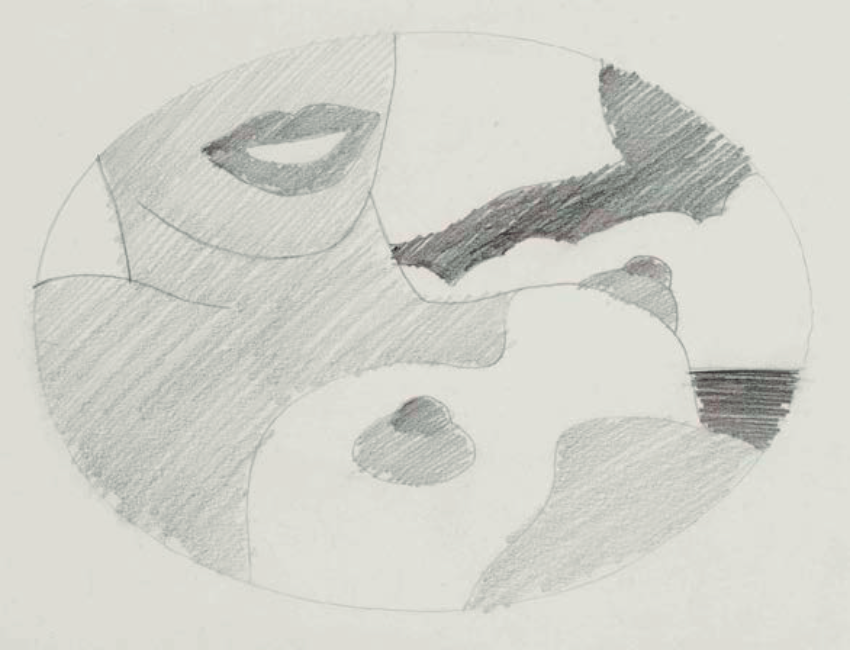
Study for great American Nude, 1965.
Graphite on paper; 7.5x 10.5 in.
Frank Stella
(b. 1928-1987, USA)
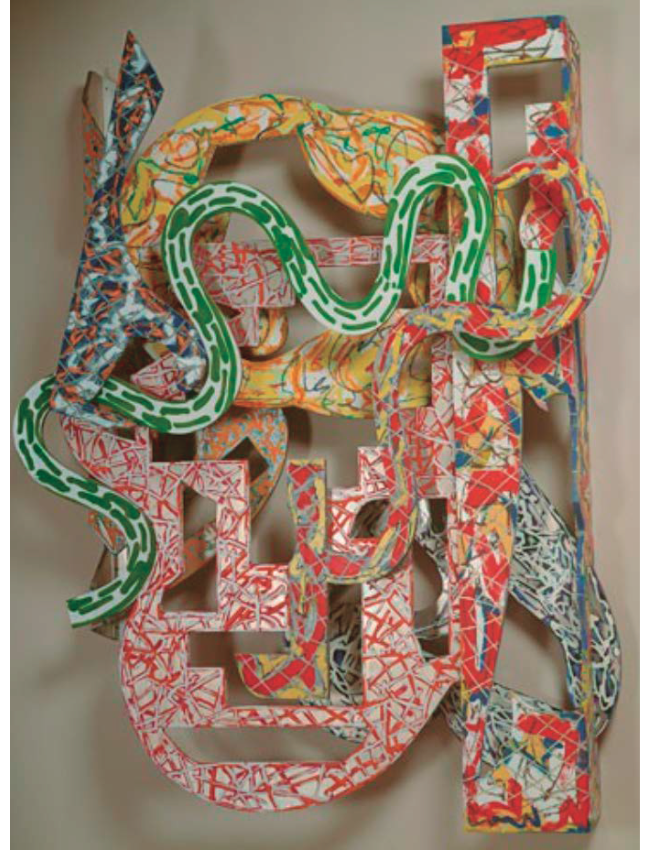
JaramaII, (1982)
Mixed media on etched magnesium, 125 15/16 x 99 15/16 x 24 3/4 in
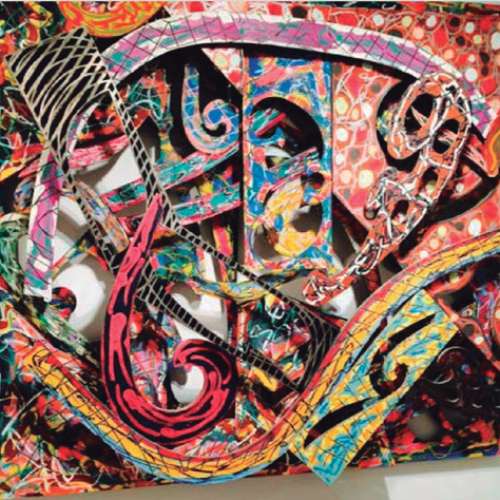
Untitled, (1983)
Mixed media on etched magnesium, 100 x 150 x 25 in
Nasser Azam
(b. 1963, Jhelum, Pakistan)
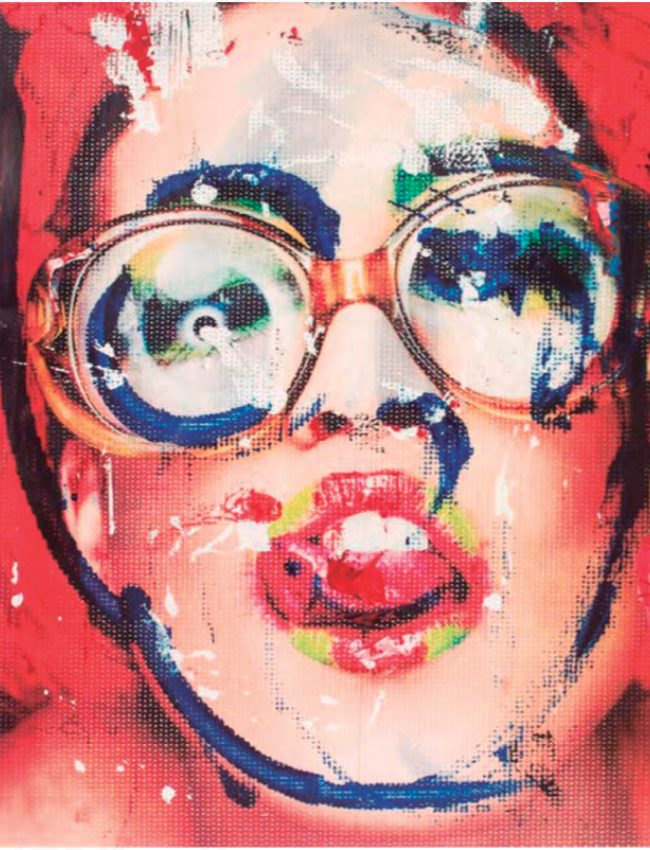
After Carolyn: Blue, (2011)
Oil and mixed media on canvas, 195 cm x 165 cm
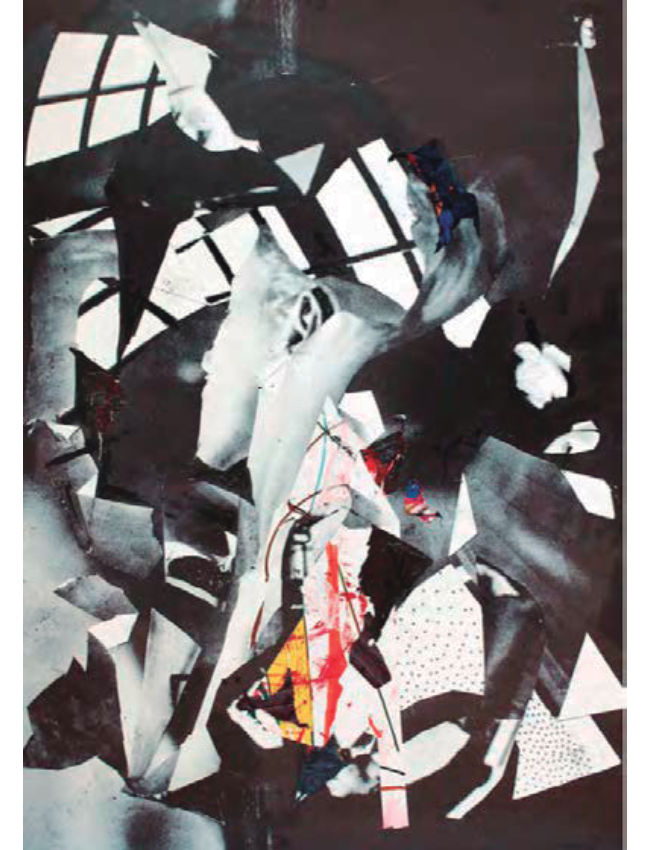
Nikkei, (2010)
Oil and mixed media on canvas, 285 cm x 200 cm
Alexander Calder
(b. 1898-1976, USA)
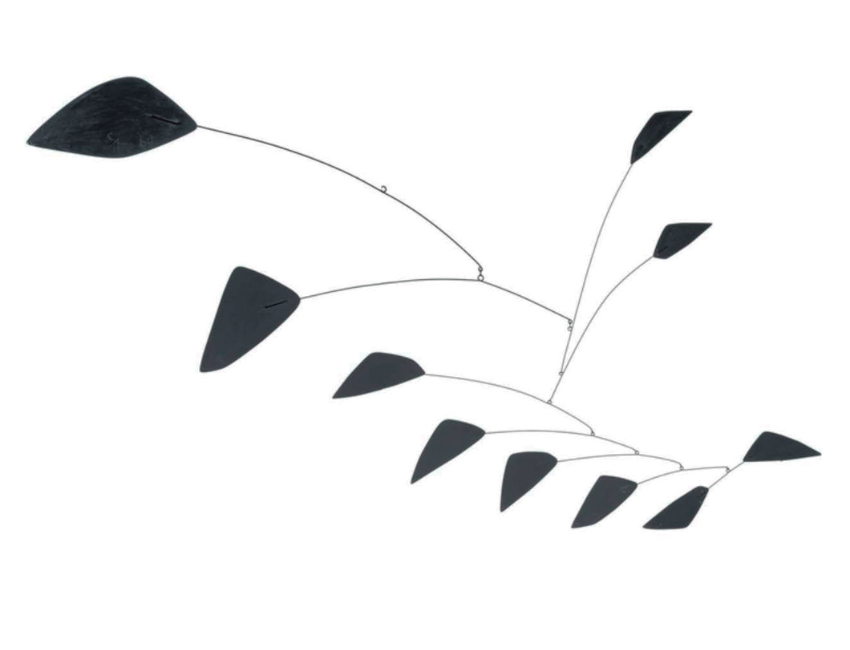
Ten Black, (1967)
Mobile (feuillesde métal, fil de feret peinture),59.6 x 132 x 132 cm
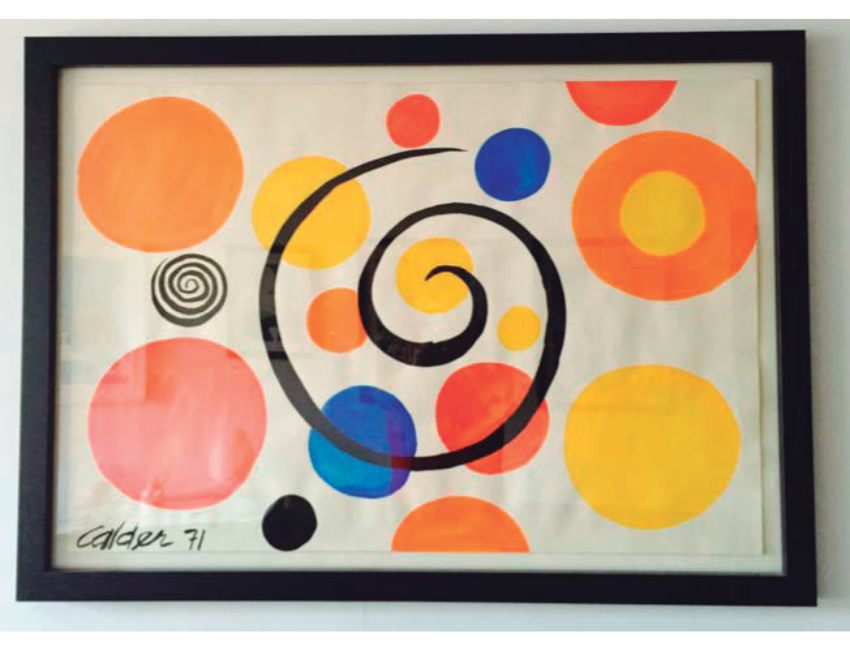
Untitled, (1961)
Gouache, 30 x 42 in
Banksy
(b. 1974, United Kingdom)
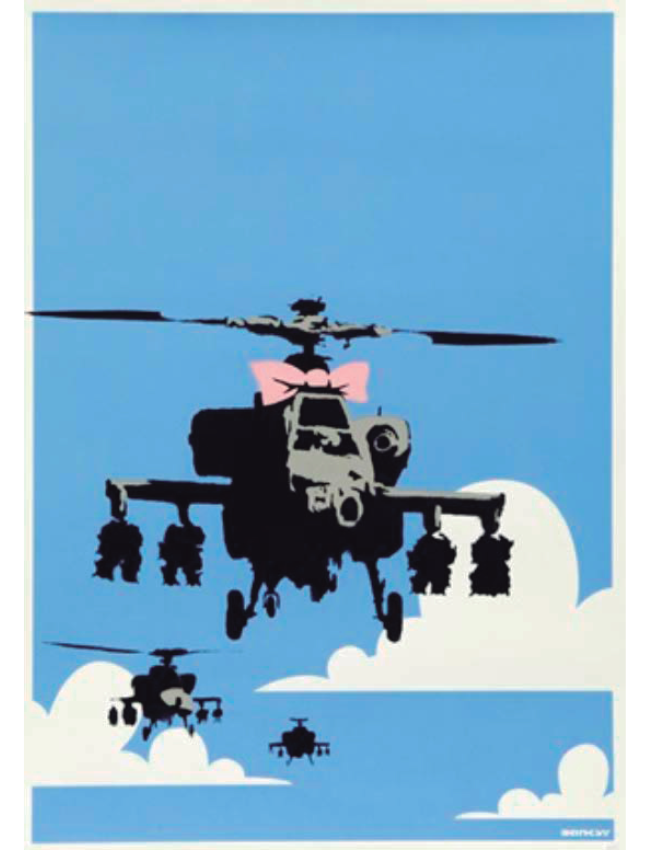
Happy choppers, (2005)
Five Color Screen Print on Paper Ed. 150, 20 x 28 in
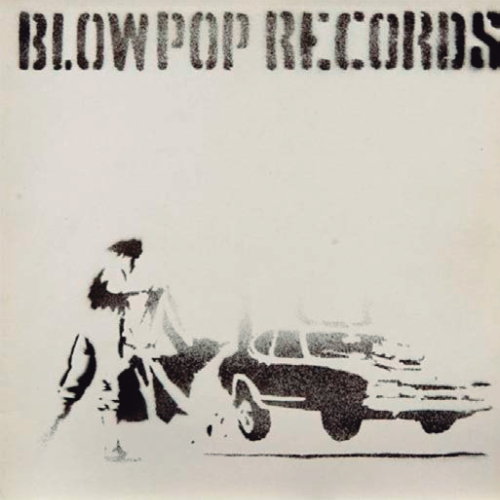
Blow pop records, (1999)
Spray paint/pochette de vinyle, Ed.100, 31 x 31 in
Ed Ruscha
(b. 1937, USA)
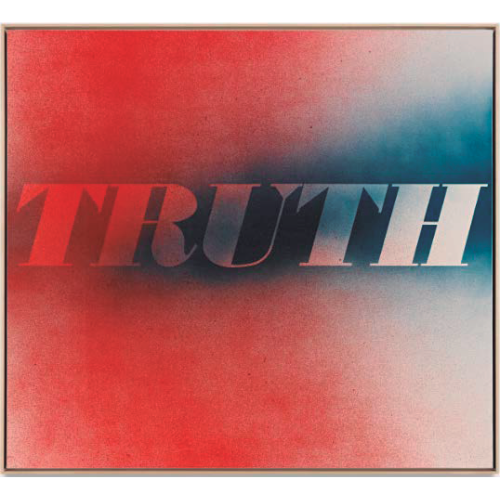
Truth, (1997)
Acrylic on canvas, 137 x 142 cm
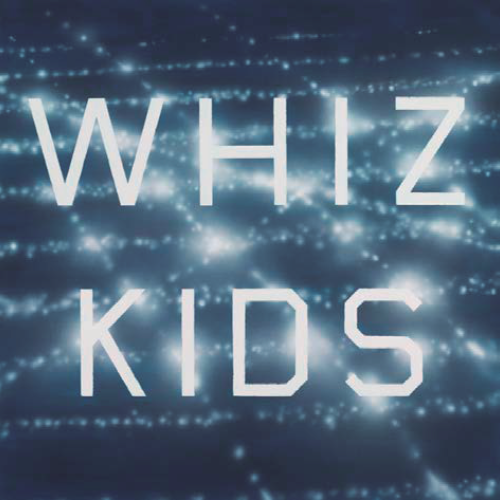
Whiz kids, (1987)
Acrylic on canvas, 167 x 167 dm
Damien Hirst
(b. 1965, United Kingdom)
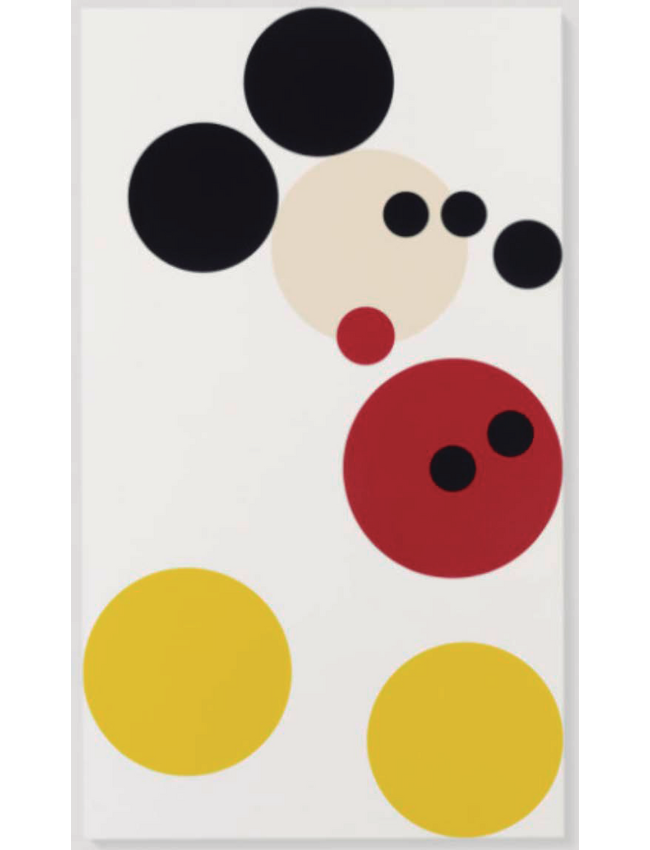
Mickey spot, (2014)
Silkscreen Print with Glaze, Ed.50, 64 x 52 in
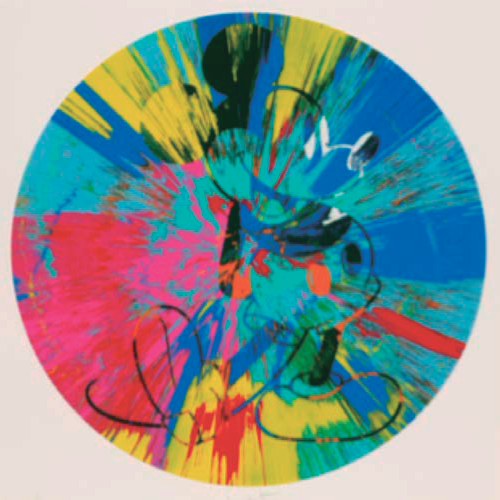
Spin Mickey, (2010)
Silkscreenprint, Ed. 50, 54 x 53 in
Nick Walker
(b.1969, United Kingdom)
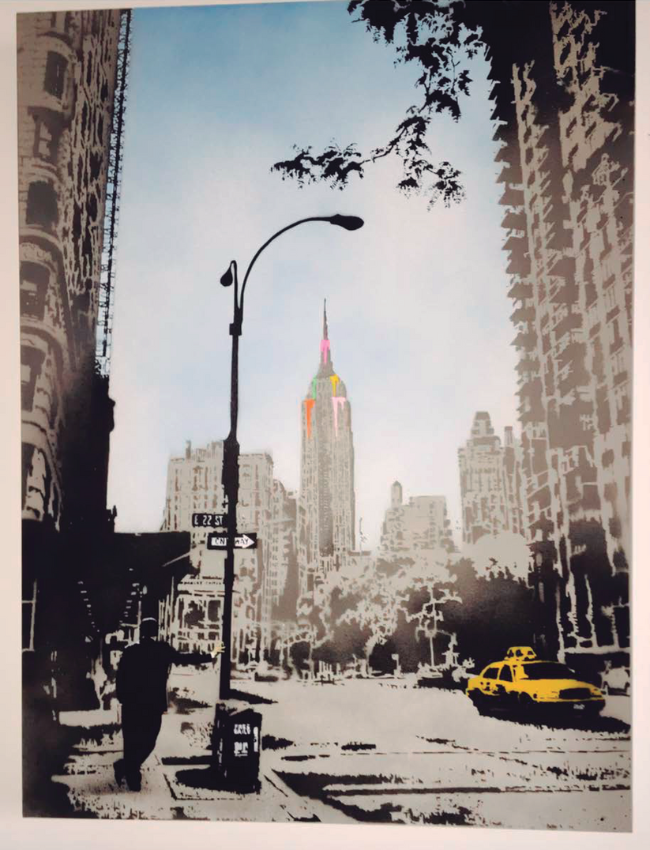
The morning after, Empire state, (2008)
Oil oncanvas, 48 x 38 in
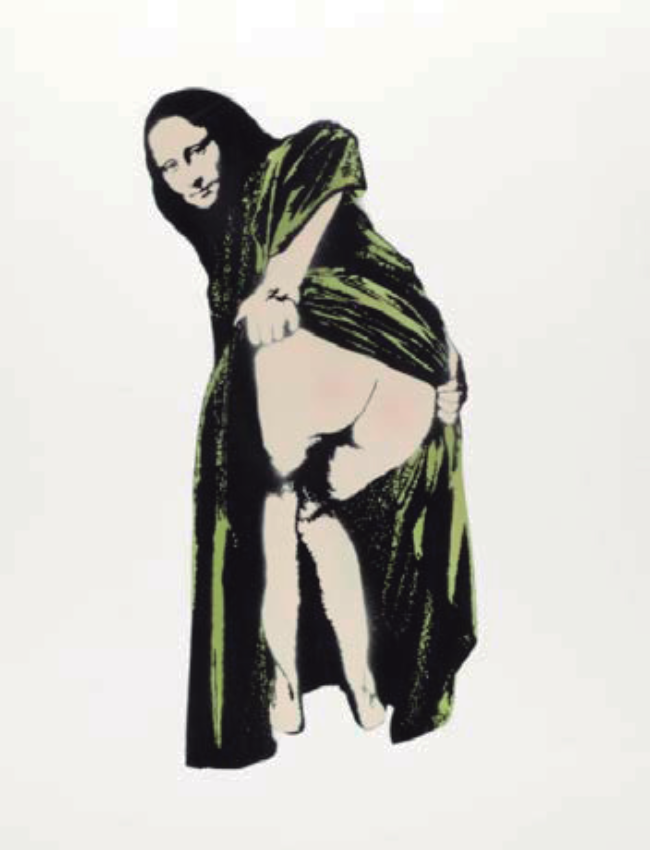
Monalisa, (2006)
Spray paint, acrylic/canvas, 183 x 131 cm
David Hockney
(b. 1937, USA)
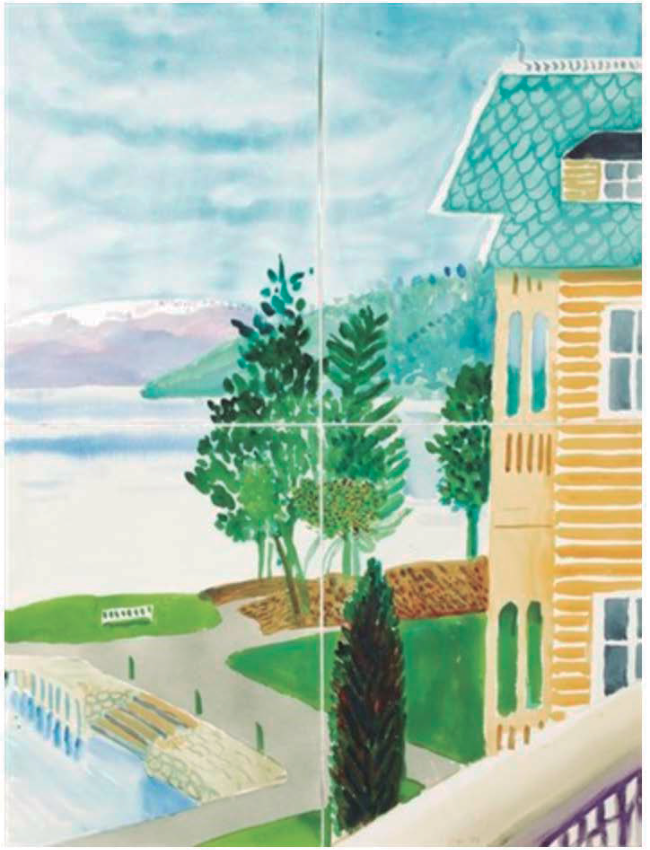
KviknesHotel, Balestrand(in four parts), (2002)
Watercolor on paper, 54 x 43 in
Litographicwater made of lines, crayon and two line washes, (1975)
Litographon paper, Ed. 38, 34 x 25
Richard Prince
(b. 1949, Panama)
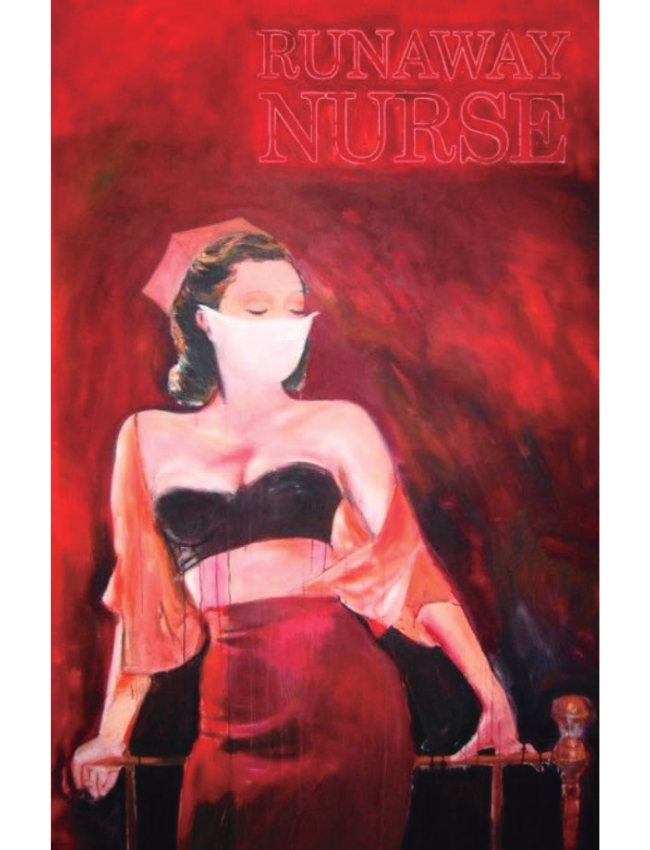
Runway nurse, (2005)
Mixed media (inkjet and acrylic/canvas), 280 cm x 167 cm
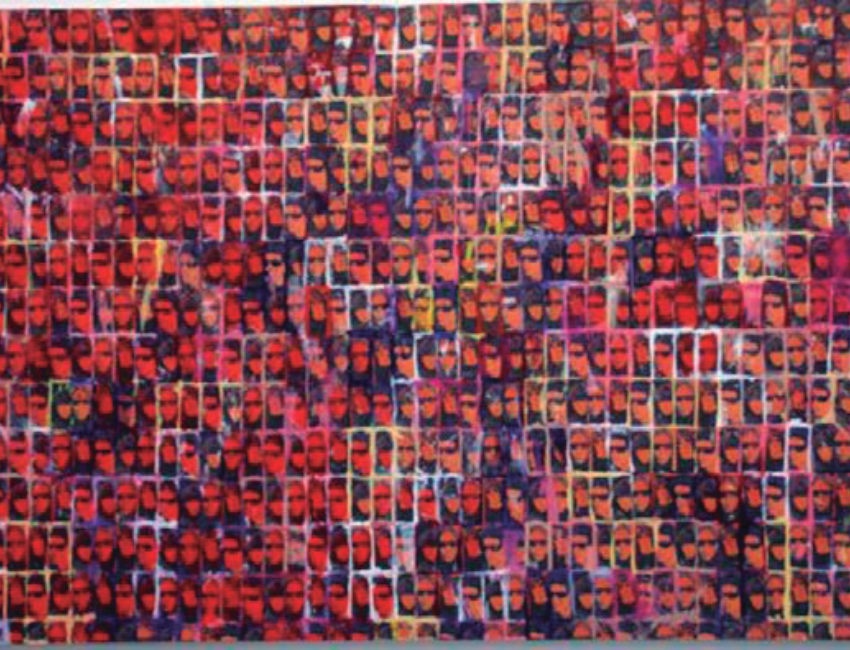
The velvets,(2007)
Acrylic, collage/canvas, 203 x 307 cm
Mr. Brainwash
(b. 1932, Germany)
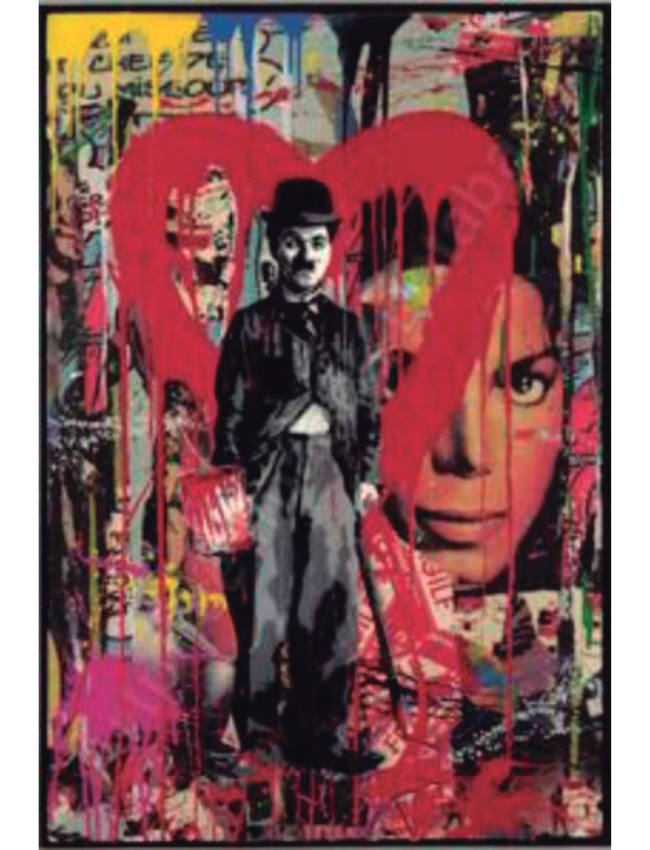
Chaplin, (2012)
Mixed media, pochoir/bois, 91 x 61 in
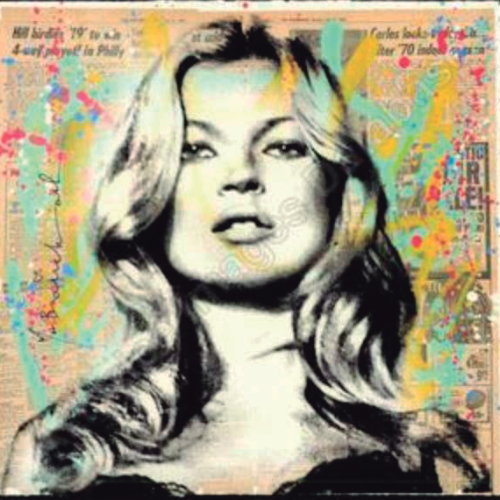
Life is beautiful, (2010)
Acrylic/fond sérigraphique. (pièce unique), 55 x 57 cm
Tracey Emin
(b. 1963, United Kingdom)
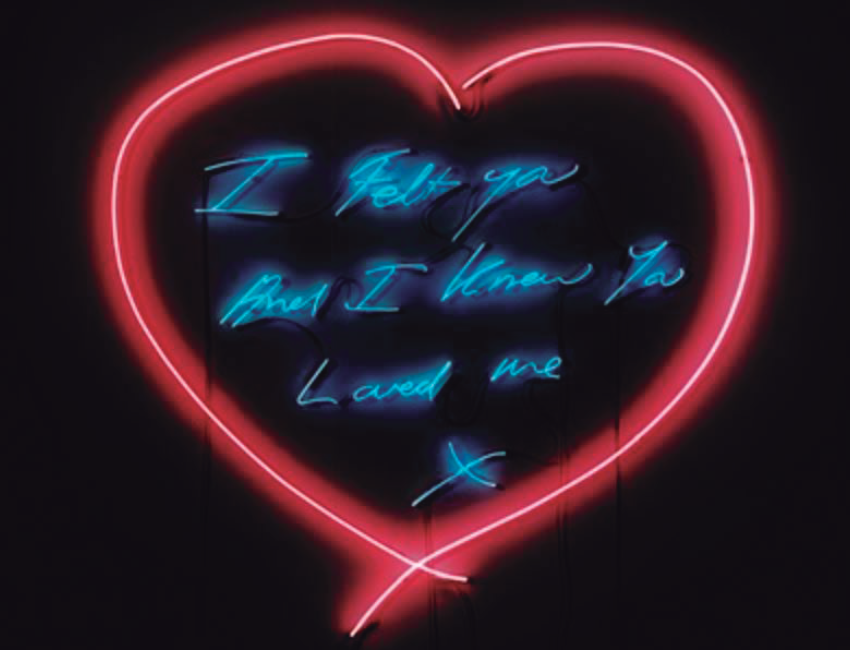
I felt you and I know you loved me, (2008)
Neon, Ed. 3, 183 x 174 cm
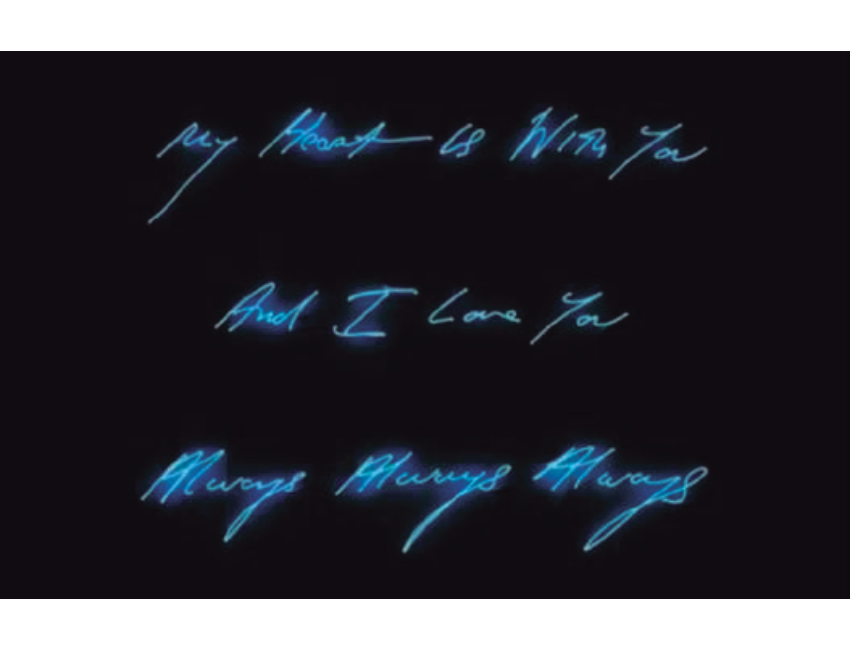
My heart is with you and I love you always always always, (2003)
Neon, Ed. 3, 128 x 163 cm
Bidget Riley
(b. 1931, United Kingdom)
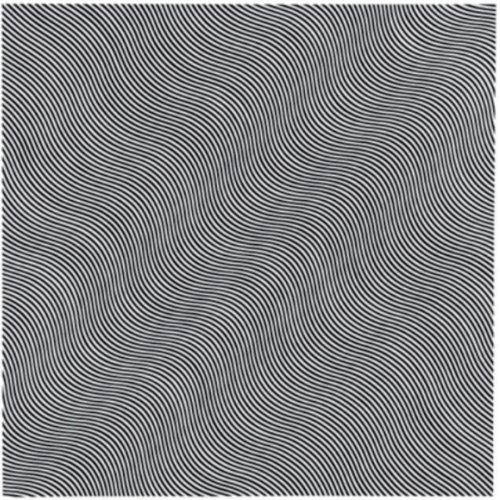
Untitled (Diagonal Curve), (1966)
Mixed media/board, 130 x 130 cm
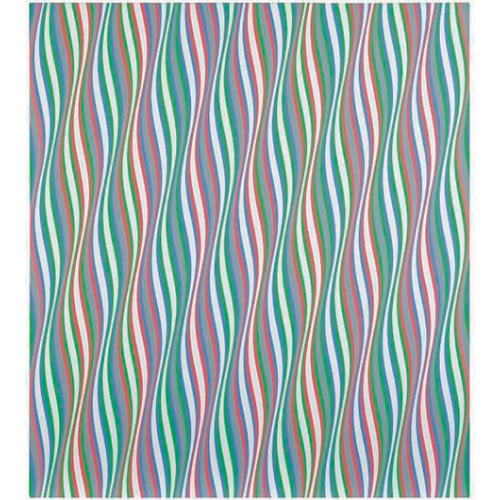
Entice 2, (1974)
Acrylic on canvas, 154.3 cm x 137.5 cm
Victor Vasarely
(b. 1906–1997, Hungary)
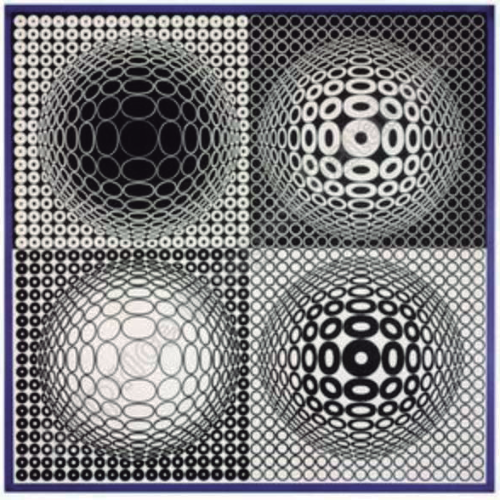
Kat-Tuz, (1972-75)
Acrylic on canvas, 191 x 191 cm
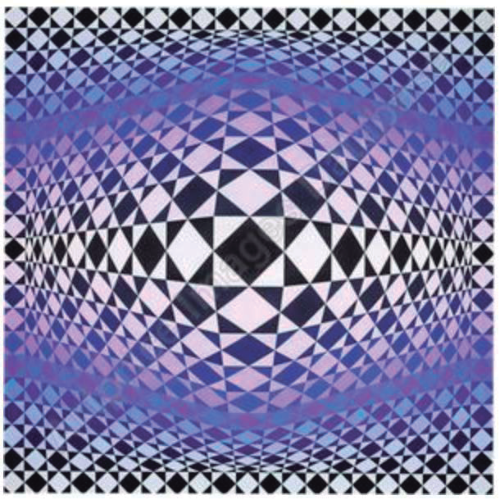
Zig-Zag, (1986)
Acrylic on canvas, 210 x 210 cm
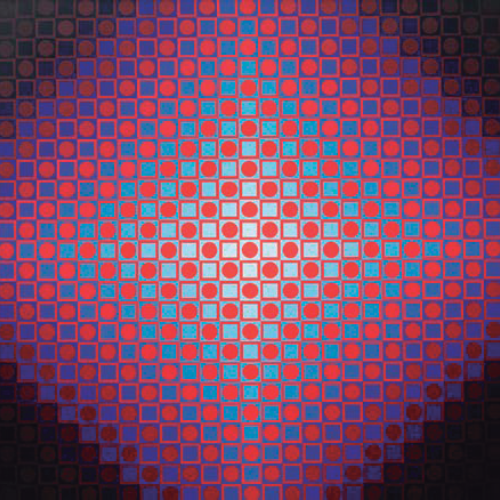
BoglarII, (1966)
Oil on canvas, 250 x 250 cm
Joseph Albers
(b. 1888-1976, USA)
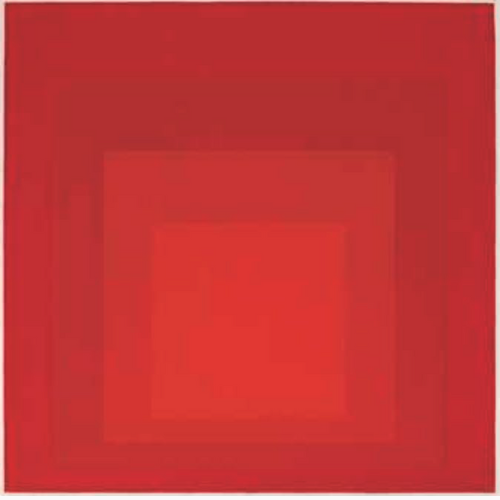
Study for Homage to the Square: Signal, (1966)
Oil on masonite, 81 x 81 in
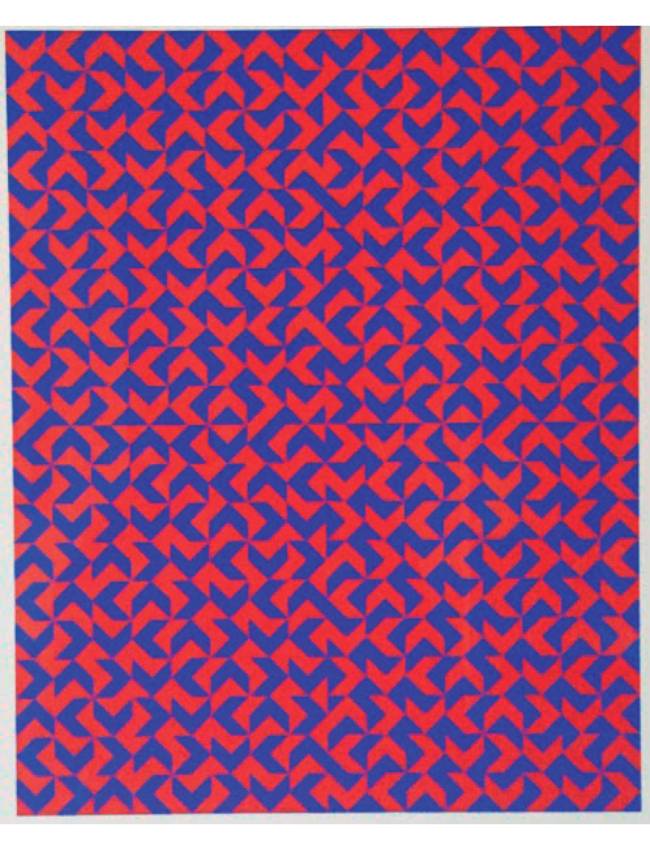
Untitled, (1959)
Oil on masonite, 15 x 10 in
Gerhard Richter
(b. 1932, Germany)
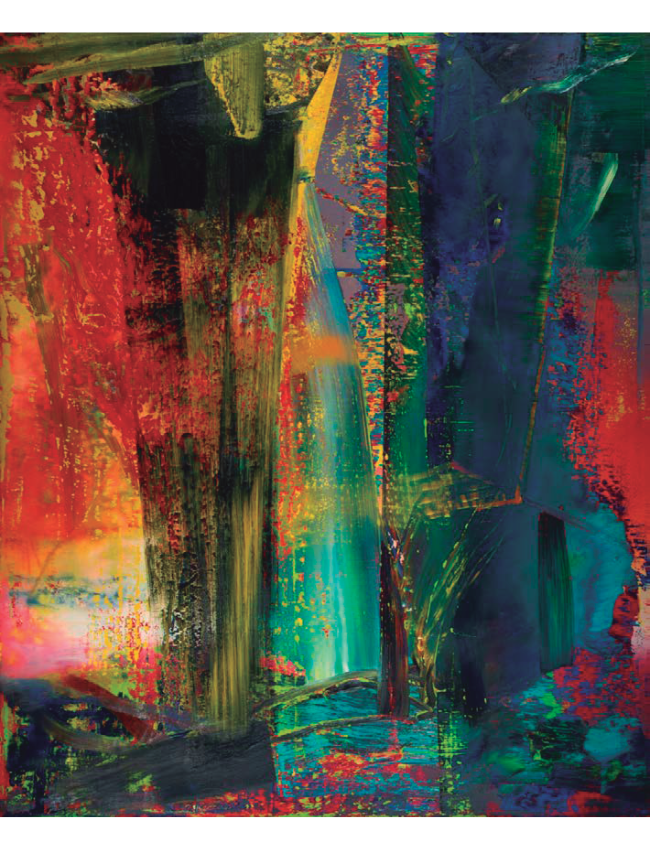
Abstraktesbild, (1986)
Oil on canvas, 300.5 by 250.5 cm
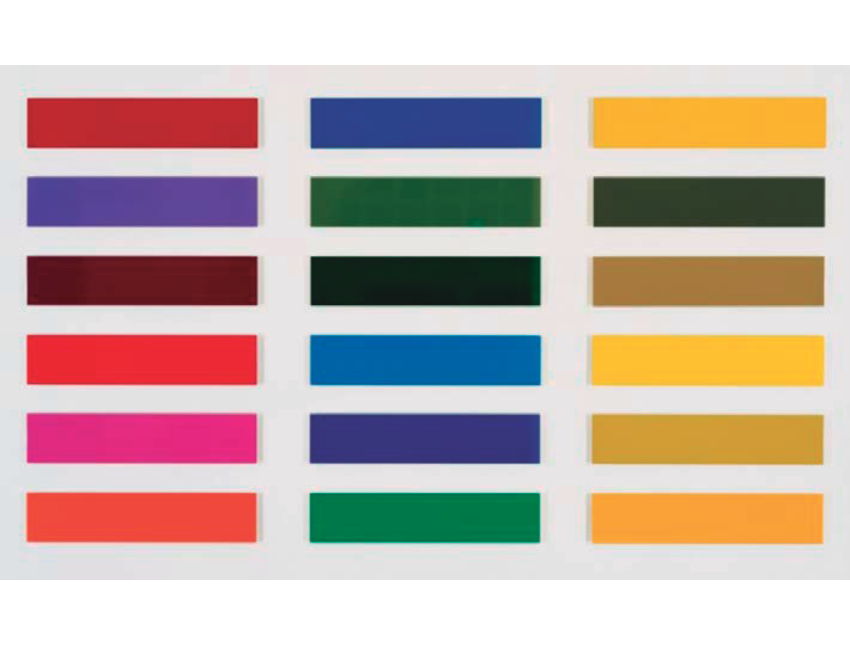
18 Color chart, (1966)
Acrylic on canvas, 200 x 350 cm
About the Saints Team
Atam Sahmanian, has been a New York-based Dealer in Fine Art since 1983, with expertise in the private sale and purchase of paintings, drawings, and sculptures of 19th and 20th century masters. He also specializes in the sale of rare prints. With his extensive international travels, as well as assistants in Europe and Tokyo, he has access to an international market ranging from Impressionism to Abstract Expressionism and Pop art. Atam offers clients a wide array of distinguished Secondary Market Services. The Secondary Market – works in resale from clients and other sources he represent – is an excellent way of locating major Impressionist, Post Impressionist, and Modern works by important artists in resale and for finding desired specific artworks for a collection by Artists – living or deceased. His gallery presently represents a number of major private collections in the handling of important works of art through the secondary market. His excellent network of important collections has made him the premier distribution source for works in the secondary market. In addition, he also have available in resale various major outdoor Sculpture Works by: Alexander Calder; Robert Indiana; Alberto Giacometti; John Chamberlain; Claes Oldenberg; George Rickey; Henry Moore; Pablo Picasso; Roy Lichtenstein; and Deborah Butterfield.
Ivelise Grimaldi, Vice President of the Musem Eduardo Sivori Friends Association. The Museum was founded in 1933. It’s one the most prestigious public Museum in the City of Buenos Aires, Argentina. Has a collection of 4000 pieces. Situated at the posh neighborhood Palermo, has four wings, a sculpture garden (named after Grimaldi’s mother), three offices, a restoration department, a conservation department, a library, an archive, a deposit, a store, a coffee shop and multiple art spaces. The collection has pieces from Eduardo Sivori, Emilio Caraffa, Eduardo Schiaffino, Ernesto de la Carcova Cupertino del Campo, Martin Boneo, Martin Malharro, Ramon Silva, Valentin Thibon de Libian, Walter de Navazio, Antonio Alice, Lino Spilimbergo, Emilio Pettoruti, Ramon Gomez Cornet, Enrique de Larranaga, Juan del Petre, Demetrio Urruchua, Horacio Butler, Enrique Policastro, Miguel Victorica, Luis Seoane, Antonio Berni, Raquel Forner, Juan Castagnino, Aquiles Badi, Eugenio Deneri, Miguel Diomede, Hector Basadua, Raul Russo, Carlos Torrallardona, Leopoldo Presas, , Alfredo Hlito, Raul Lozza, Alfredo Gramajo Gutierrez, Luis Centurion, Horacio March, Onofrio Pacenza, Juan Battle Planas, Benito Quinquela Martin, Domingo Candia, Manuel Espinosa, Etc. Ivelise is a board member of the Eduardo Sivori Museum. She runs the Eduardo Sivori annual auction, raising funds to support the various exhibits, fairs and installations held during the calendar year at it. She has a bachelor degree in Fine Arts from the University of Buenos Aires.
Meloudi Sargizian is an International Private Consultant and Curator. As private sales consultant, curator and exhibition producer, Meloudi has been involved in art all her life. Growing up in Germany, she found her areas of special interest to not only include art but science, social issues, fashion, and multiple disciplines. Meloudi has been working in the international art market for 10 years. She has also taken then role as an artist manager for several artists around the globe including Mik Lelman, Scott Dale and Chris Muller. Meloudi has managed exhibitions programs within curation and invitational exhibitions, featuring the work of national and international artists. She has acquired and sold works for her private clients at shows such as: Art Basel (Miami) Art Basel (Switzerland), Art Ascope, Aspen Art, Art Shanghai, Japan Photo, Zona Maco, Art Monaco, Art Rotterdam, Art Madrid, Asia Art Fair, just to name a few. She has curated and overseen over a hundred exhibitions in galleries, art shows and museums around the world including Mexico, Belgium, Holland, France, Thailand and USA. She has been responsible for contemporary art acquisitions for numerous corporate art collections and individual purchases of blue chip and emerging works, both in Europe and USA.
John Sebastian Grimaldi Gordon is the Founder of The Saints LLC, company based in New York City and Delaware. The company five department’s funds and supports art projects/artists around the globe. Grimaldi been an artist himself understands the complexity of the art world and how difficult sometimes is to give an idea a form to be then turn into something which audiences have access to, ideally speaking to appreciate it and have the opportunity to see the “work”. Grimaldi has a Master in Fine Arts from the prestigious “The Actor’s Studio” in New York City. As an actor and producer Grimaldi has won prizes in festivals such as in the Manhattan Film Festival, NYLA International Film Festival, Los Angeles Independent Film Festival, Rome International Film Festival, SOHO Film Festival and the San Antonio Film Festival. Grimaldi comes from a family of art advisers/collectors.
Michael Hamilton joins Woodstock Commune LLC as Corporate Chef/Partner, overseeing food and beverage for the new Commune Saloon as well as collaborating with chef Eric Mann at The Bear Cafe. Hamilton’s varied and illustrious culinary career began under the tutelage of Rick Stein in Cornwall (the only chef to ever receive 2 michelinstars in that area), at the country’s number one rated seafood restaurant, The Seafood Restaurant. He worked for Rick stein, Then he worked for Nathan Outlaw to open up the Black pig where he received a michelinstar within the first year! Once in New York, Hamilton first worked with superstar chef Daniel Bouludand was then put through his paces by Gordon Ramsey, under whom he opened The London NYC. Hamilton went on to open Kingswoodand then tenured at Acme, taking it from a low-key NoHo neighborhood staple to a red-hot, cuting edge restaurant. Most recently, he headed the wildly popular Surf Lodge in Montauk on the far east end of the Hamptons this past summer. Chef Michael Hamilton is excited to start a new chapter in Woodstock and work alongside with his longtime friend Nicolas Geeraerts (Operating Director/Partner).
About The PR
Say hello to Third Eye, a strategic marketing, communications, and brand evolution agency innovating across the worlds of art, architecture, design, fashion, and hospitality. Our intuition flows from a rich network of experience across these industries, allowing us to effectively see the opportunities and synergies they share.
Our Partners Are:
Acria / Artwalk Ny / The Armory Show / Aspen Art Museum/ The Brant Foundation / The Broad / The Contemporary Austin / The Dean Collection / Frieze La / Gagosian / Human Rights Campaign / Maison Margiela / Marciano Art Foundation / Mgm Art And Culture / Miss Porter’s / Museum Of Arts And Design / The Museum Of Contemporary Art, Los Angeles / Nature Morte / The New York Botanical Garden / Nasher Sculpture Center / Pamela Love /Patrik Ervell / The Phillips Collection / Sculpturecenter / Taipei Dangdai / The Winter Show.

About the Dinner Gala
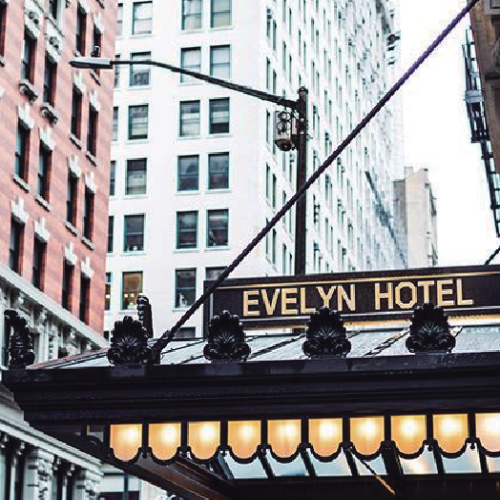
Located in Manhattan’s NoMad district, The Evelyn Hotel celebrates the heritage of one of NYC’s most historic neighborhoods. In 1903, when our hotel was originally designed by William H. Birkmire, the area known as Tin Pan Alley was the epicenter of the American music industry. During its heyday in the early 20th century, Tin Pan Alley was buzzing with Broadway and vaudeville performers, musicians, and songwriters, including George Gershwin, coming and going to the music houses.
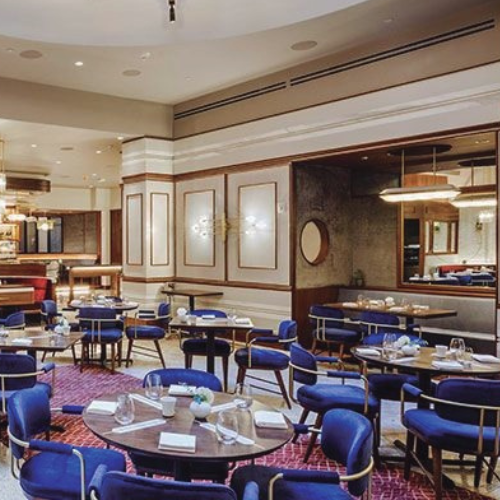
The Evelyn’s three new dining and beverage concepts from acclaimed Chef Jonathan Benno elevate the restaurant scene in New York City’s NoMad neighborhood. With a casual Roman-inspired bakery, café, and trattoria, as well as, a fine-dining Mediterranean restaurant, the hotel offers classic yet current European flavors to New York City.
About the After Party
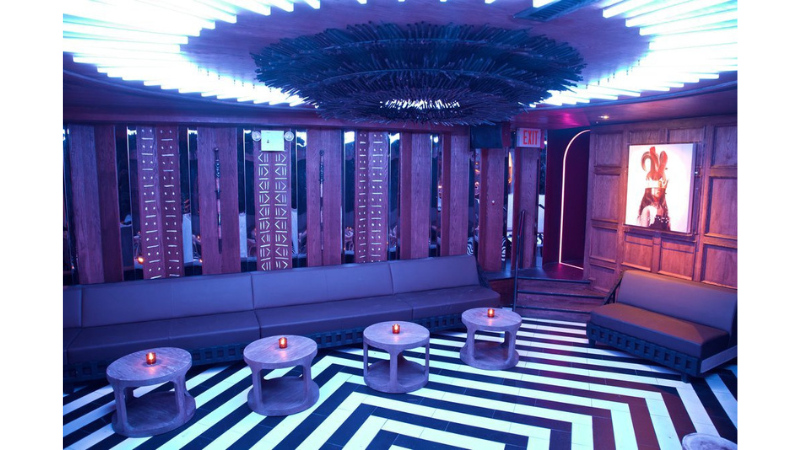
1 OAK , born of the namesake catch phrase, “1 of a kind,” has endured continuous waves of competition and outlasted the rise and fall of countless nightlife trends. Located on 17th street in the heart of Chelsea, it remains at the center of New York City nightlife culture. Boasting a rotation of world-renowned DJs and surprise performances, a captivating interior and a stellar standard of service, 1 OAK provides a nightlife sensibility that caters to even the worldliest of partygoers.
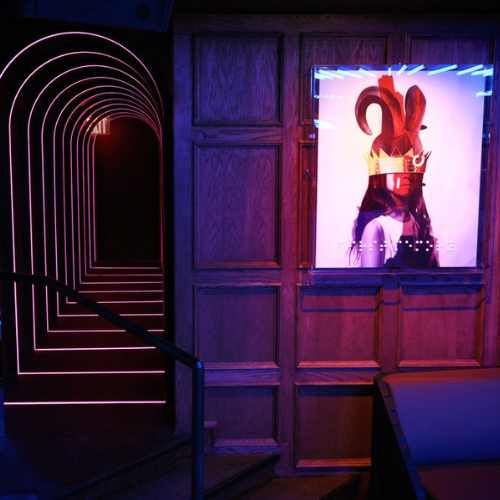
Located at the crossroads of Chelsea and the Meat Packing District, 1 OAK is the embodiment of sophistication, solicitous service, and egalitarian spirit. Barriers between art and fashion, famous and infamous, upcoming and established have been deliberately torn down; creating a unique environment that is amicable and unpredictable. 1 OAK embodies the passion of the Avant-garde and embraces the new and the unknown.
About the Show
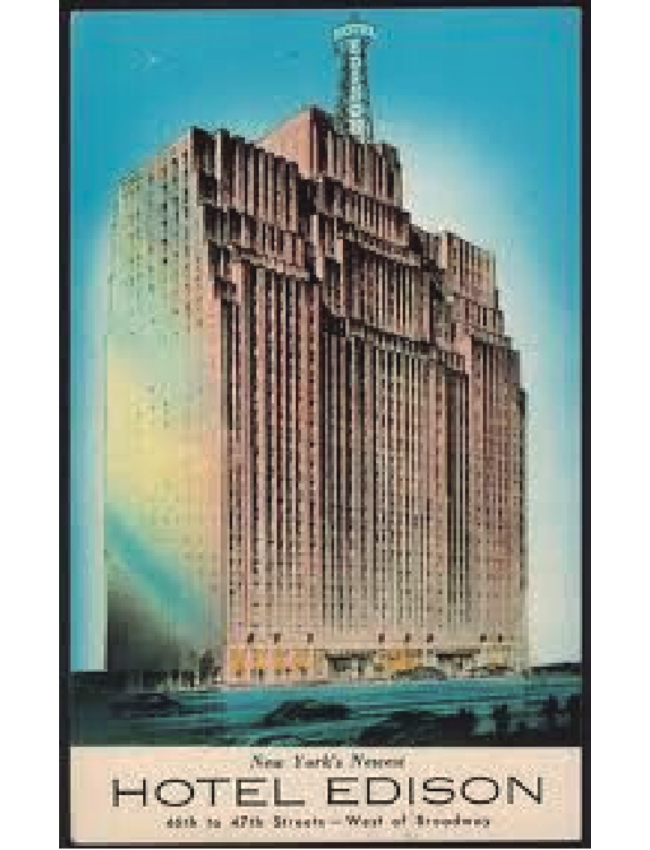
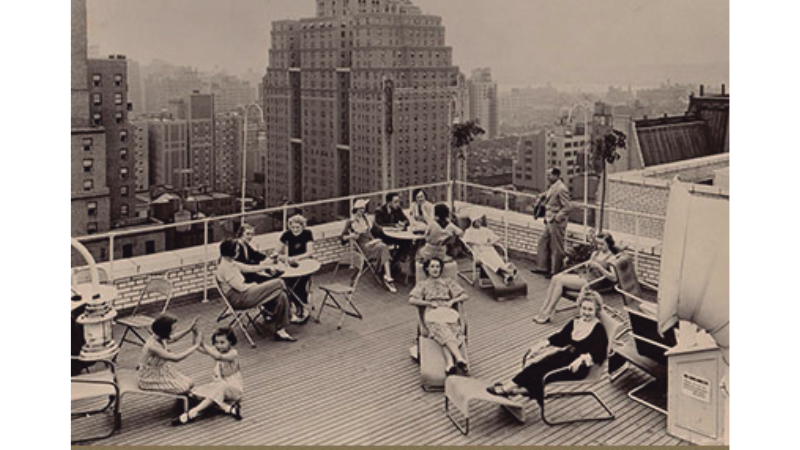
The Hotel Edison is located in the middle of Times Square a magnetic, effervescent area that caters to locals and visitors alike with its diverse shopping, world-class theater, and impressive architecture. Within walking distance of our hotel near Times Square, you’ll discover leading art museums, famous restaurants, unique bars and an array of family-friendly activities.
Originally opened in the 1930s as the grand ballroom of The Hotel Edison, The Edison Ballroom carries a long and colorful history into its present-day status as a stylish Manhattan event space. The ballroom’s Art Deco architecture dates back to its days as a dancing and dining venue, when it hosted famous performers of the Swing Era.