De Santos Resto
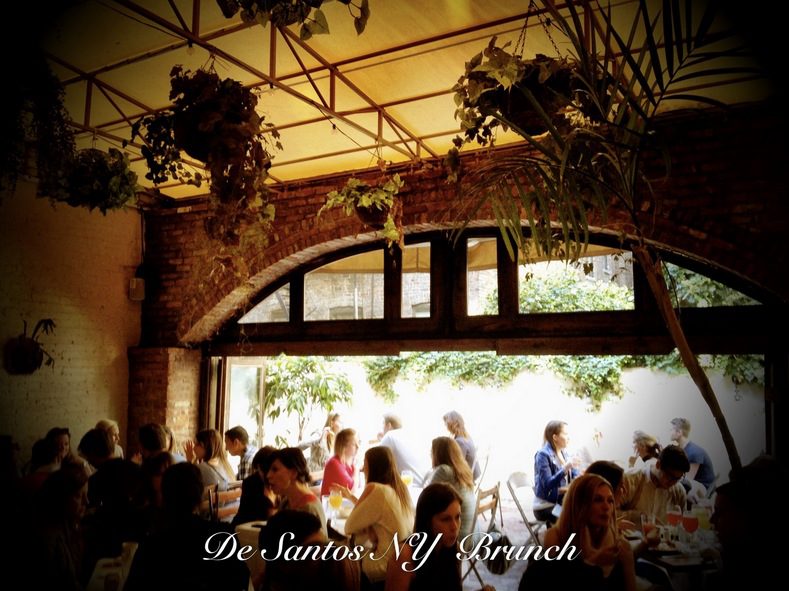
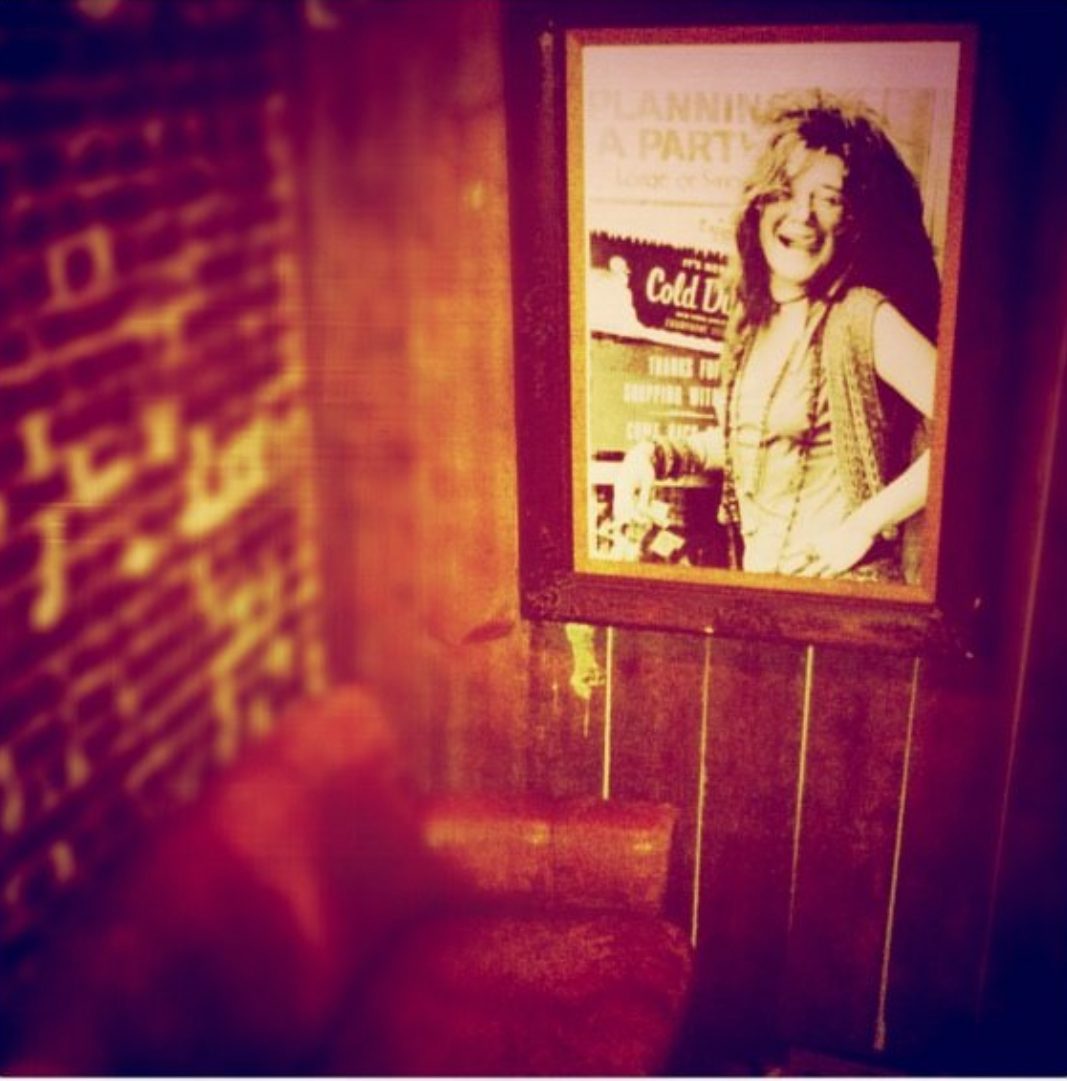
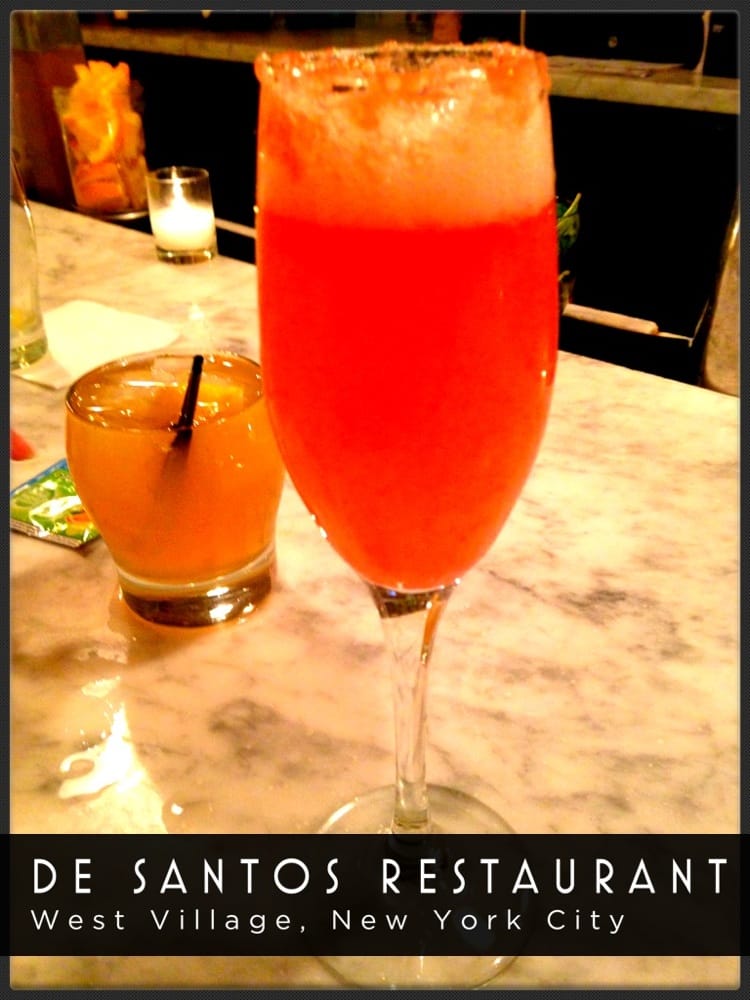
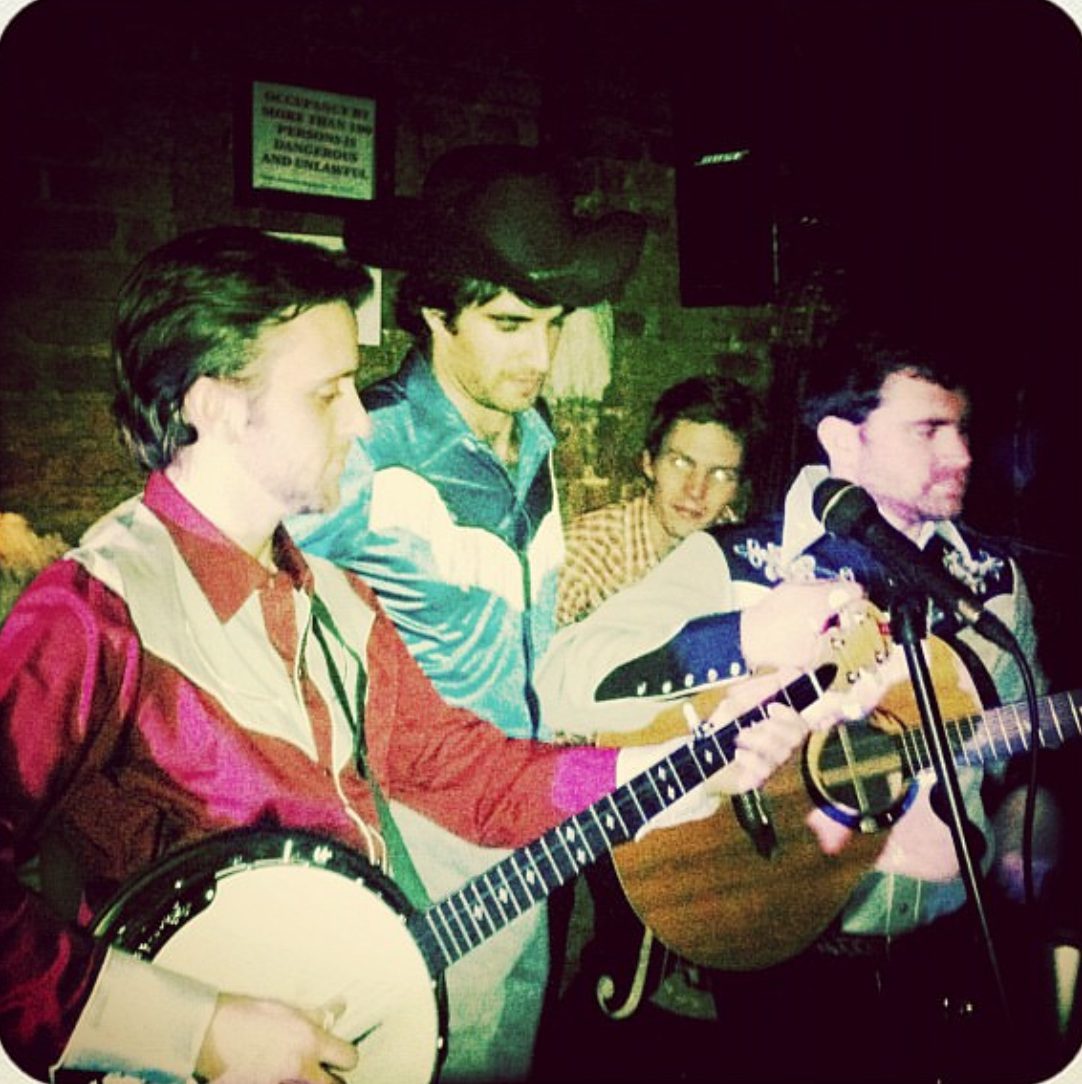
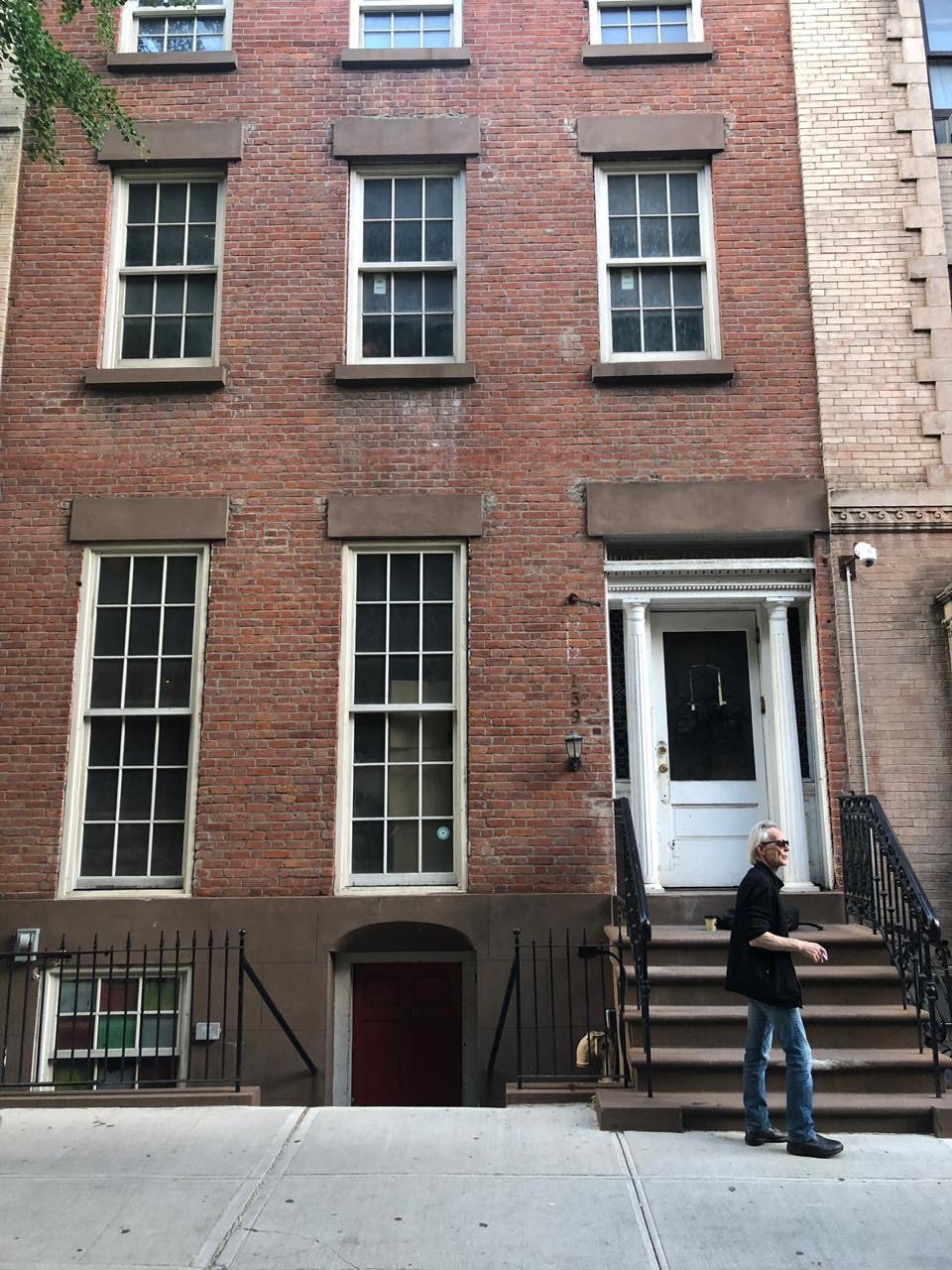
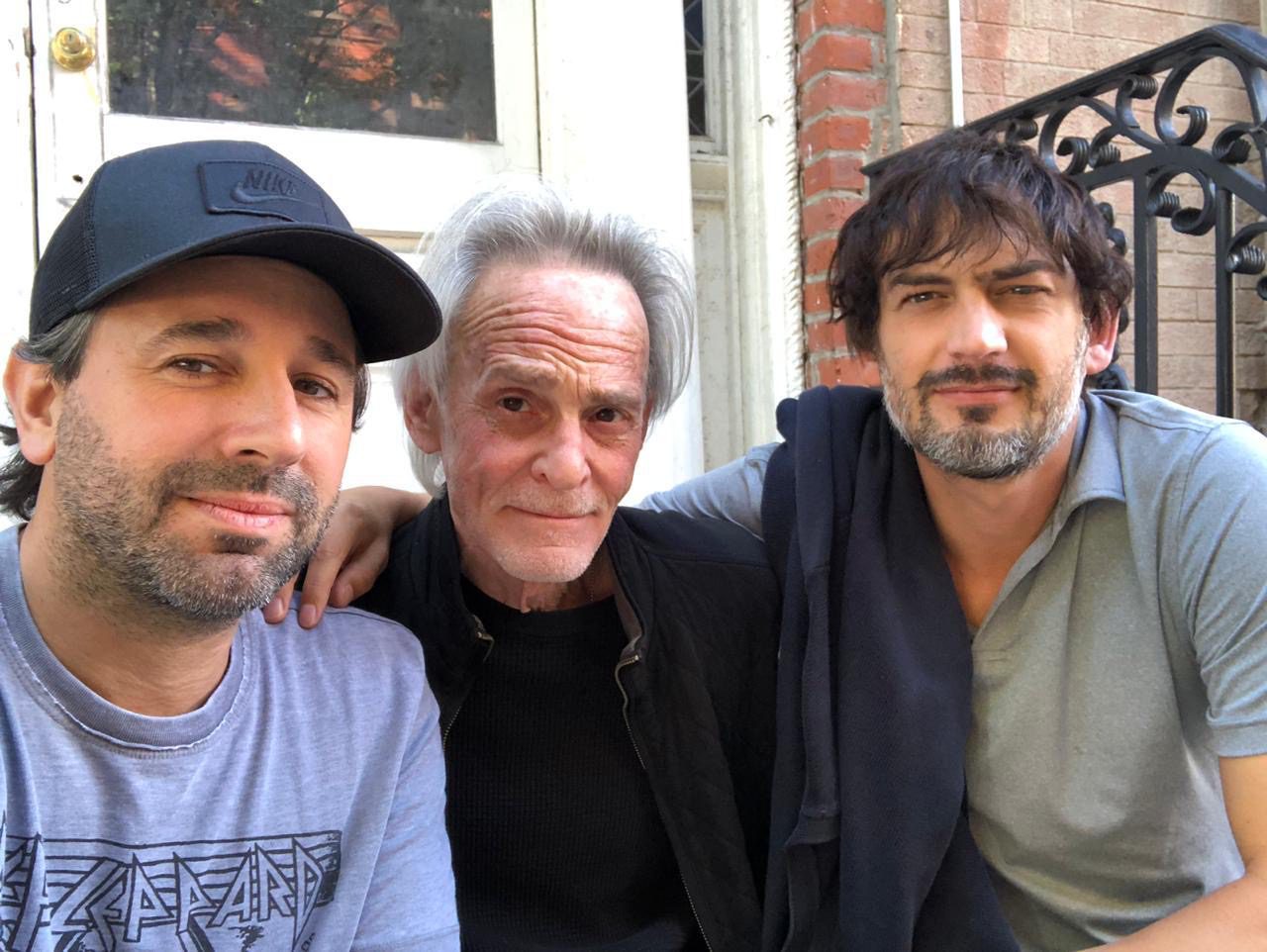
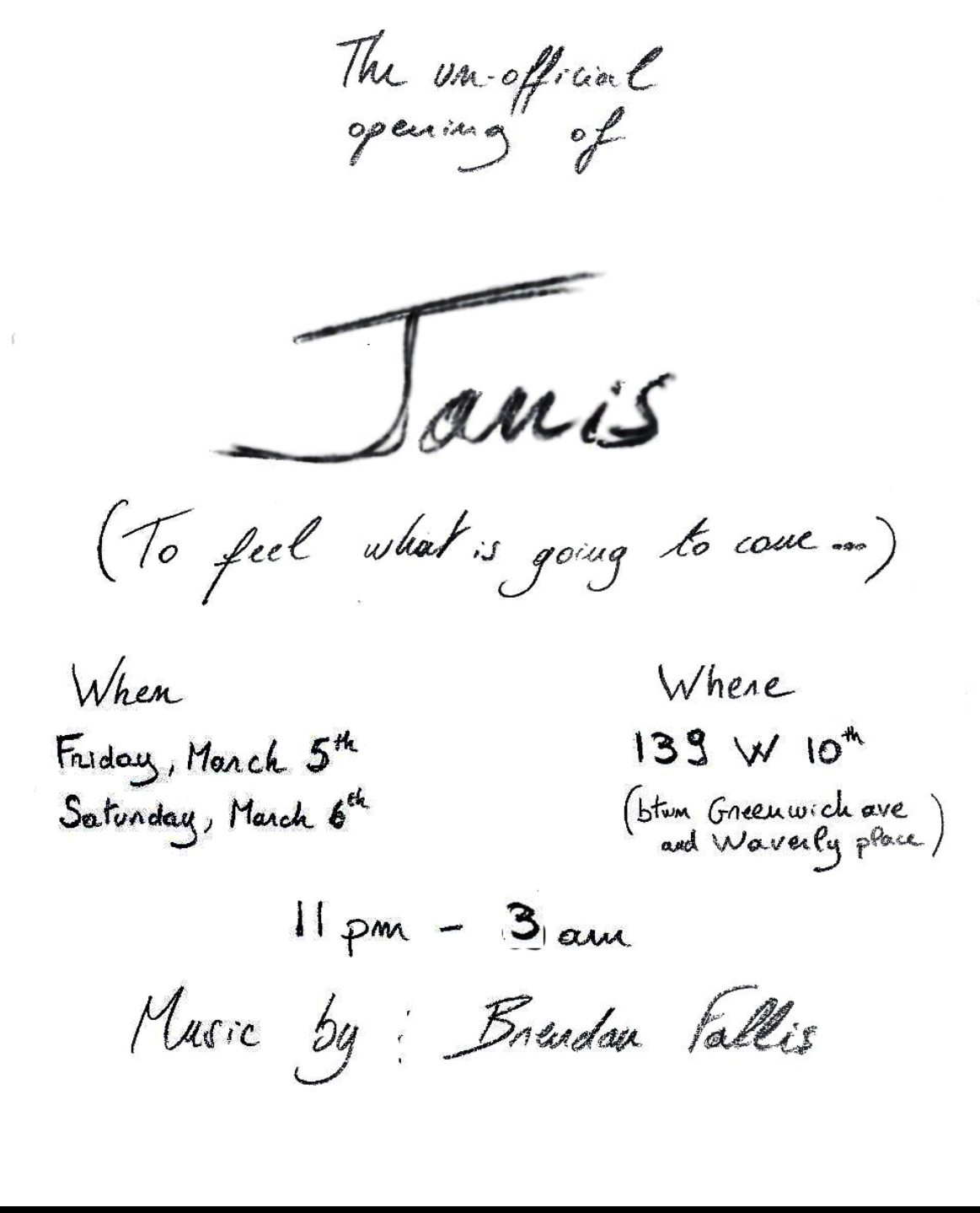
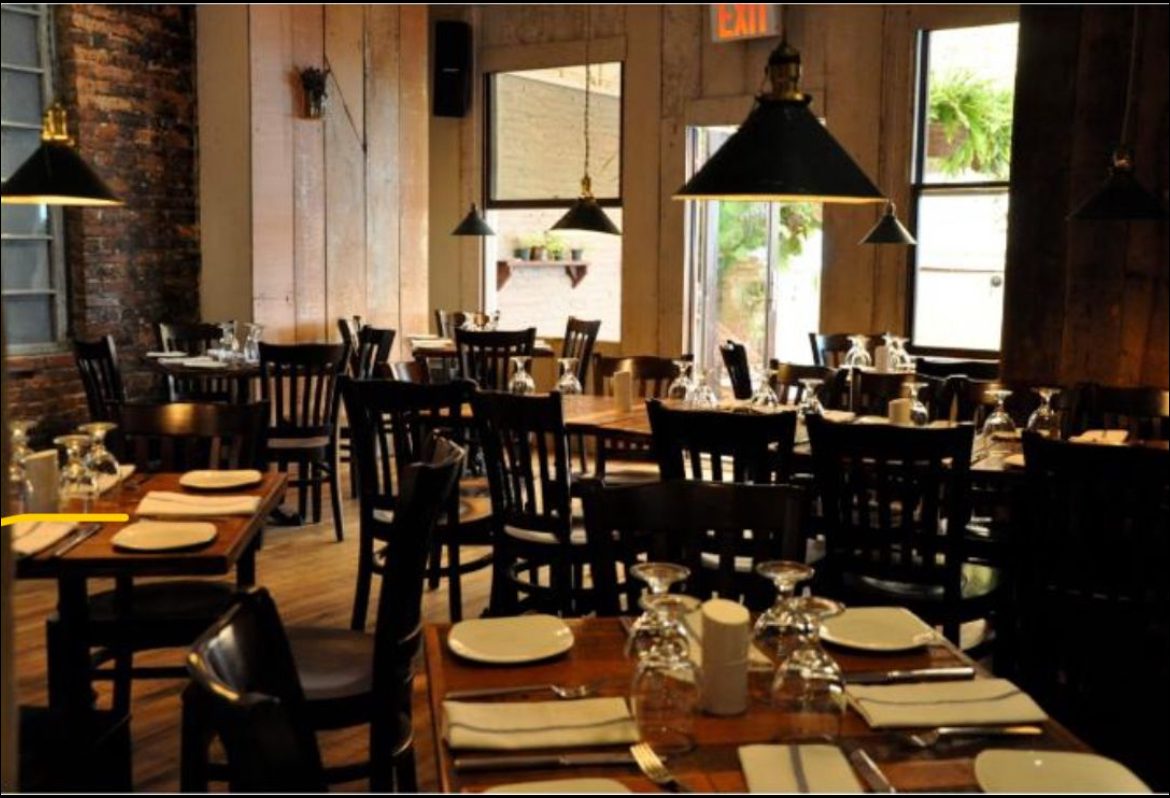
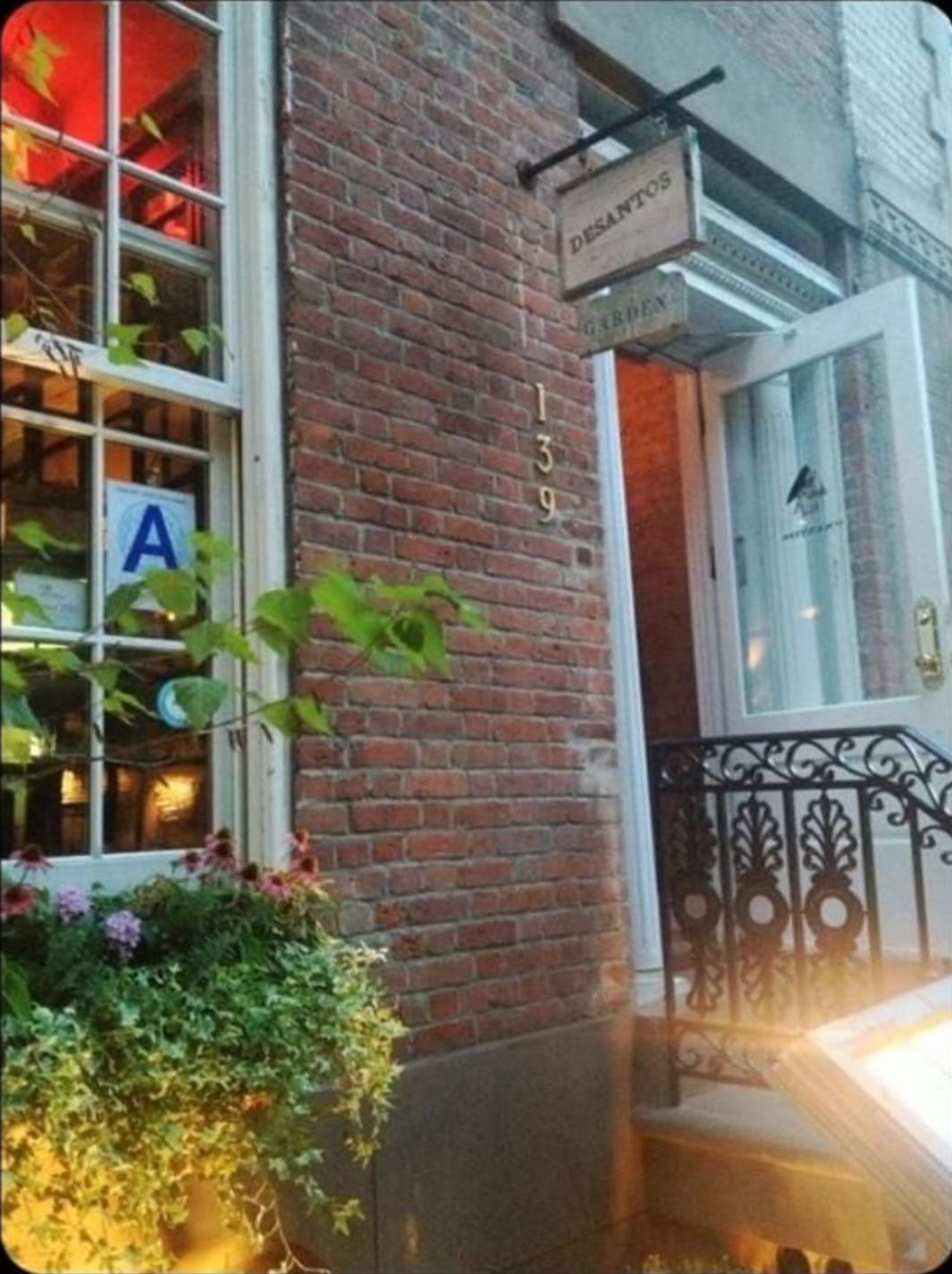
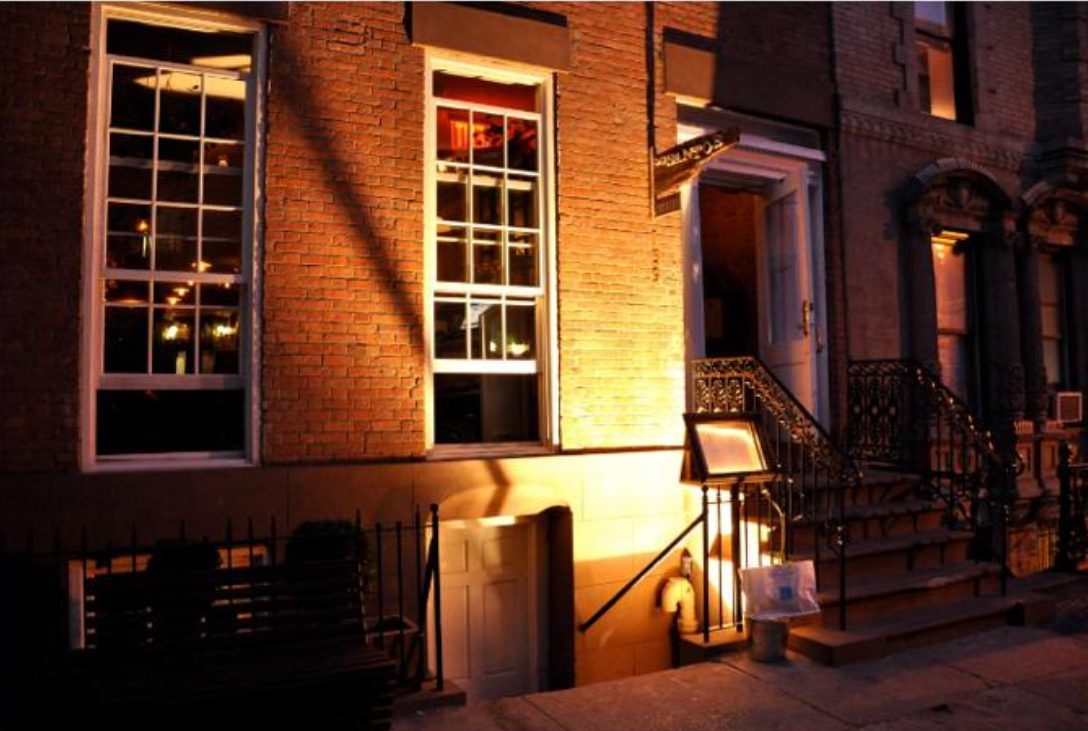
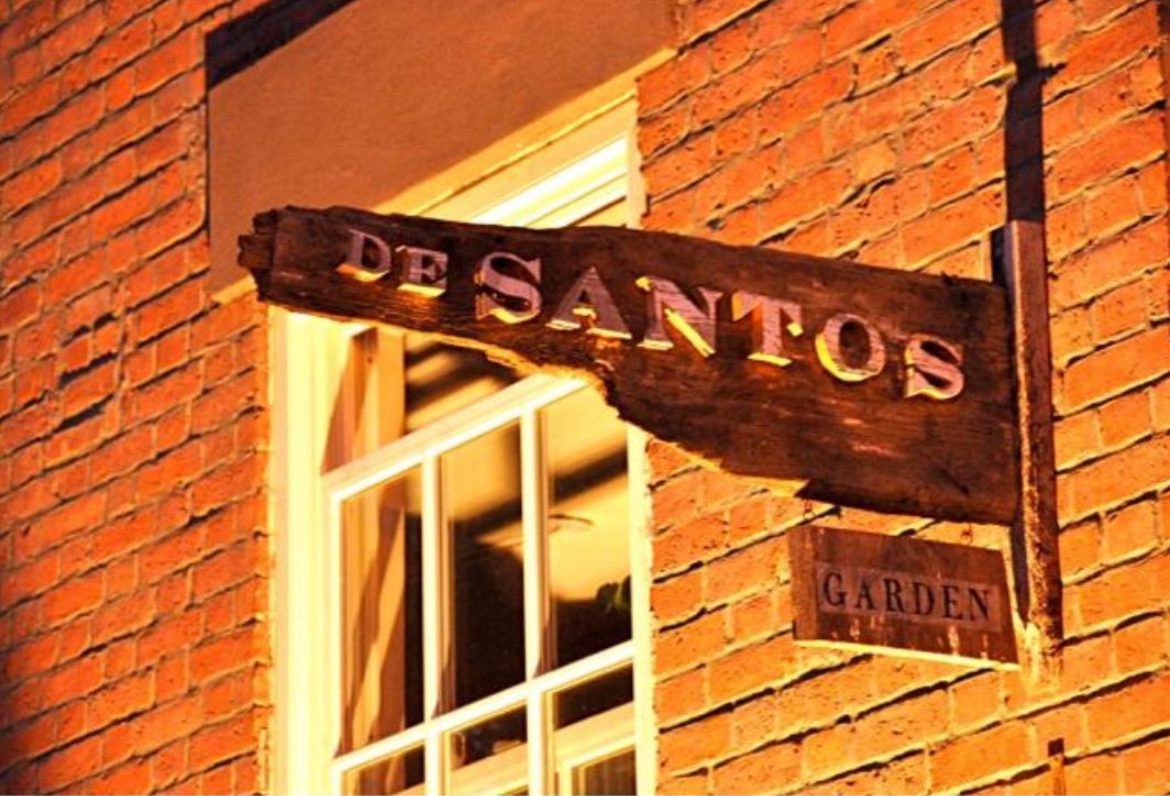
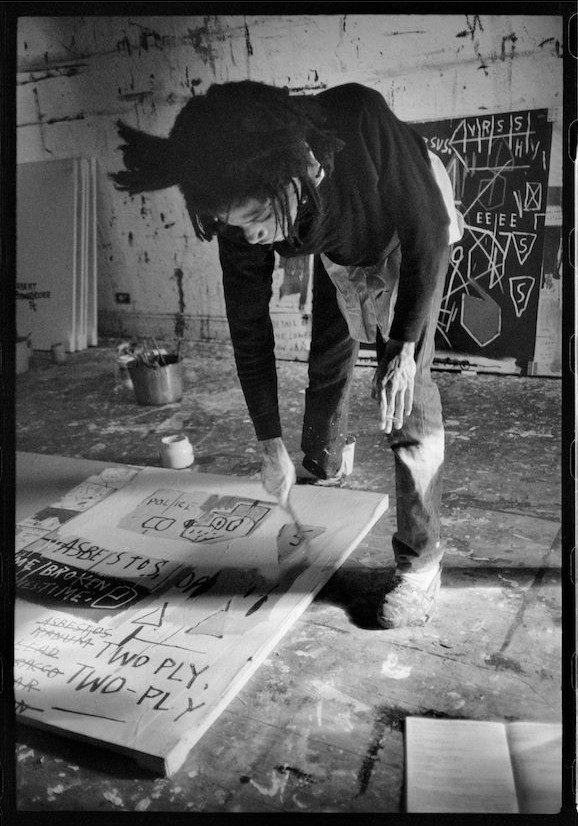
Located in New York City’s trendsetting West Village, De Santos delivered a traditional American Italian menu using local, organic, and seasonal ingredients. The historic brownstone featured seating in a cozy, rustic interior, or outside on its beautiful garden patio. Guests enjoyed dinner, cocktails, or weekend brunch in this unique space that was once home to legendary New York rockers, writers, and artists such as Janis Joplin, Bob Dylan, Edward Albee, and Jean-Michel Basquiat. De Santos was widely regarded as one of New York’s great restaurants—an institution of quiet elegance and understated power in the West Village. Sophisticated without being showy, it attracted a rare mix of serious fame and real discretion. The food was exceptional—classic, confident, and impeccably executed—served in a room that felt timeless rather than trendy, De Santos became a natural meeting point for supermodels, film directors, actors, rappers, and cultural heavyweights, all drawn by the same promise: no spectacle, no performance, just excellence. Celebrities didn’t go there to be seen; they went because it was the best, because the room understood them, and because De Santos offered a level of refinement, intimacy and credibility that few New York restaurants ever achieved. At the West Village townhouse where De Santos later operated, there has long been a belief—shared through neighborhood stories and oral histories—that musicians from the 1960s folk scene, including Bob Dylan and Janis Joplin, used the building as an informal creative space before it became the restaurant people remember. By the time the building became De Santos, those creative years were already part ofits invisible past- The restaurant inherited a kind of residual cultural gravity—a place layered with memory, discretion, and history—which helps explain Why artists, musicians, and actors later felt so at home there. De Santos, the building itself belongs to that pre-legendary moment when future icons were Still recording, rehearsing, and shaping their sound in unmarked Village rooms, long before history caught up with them.
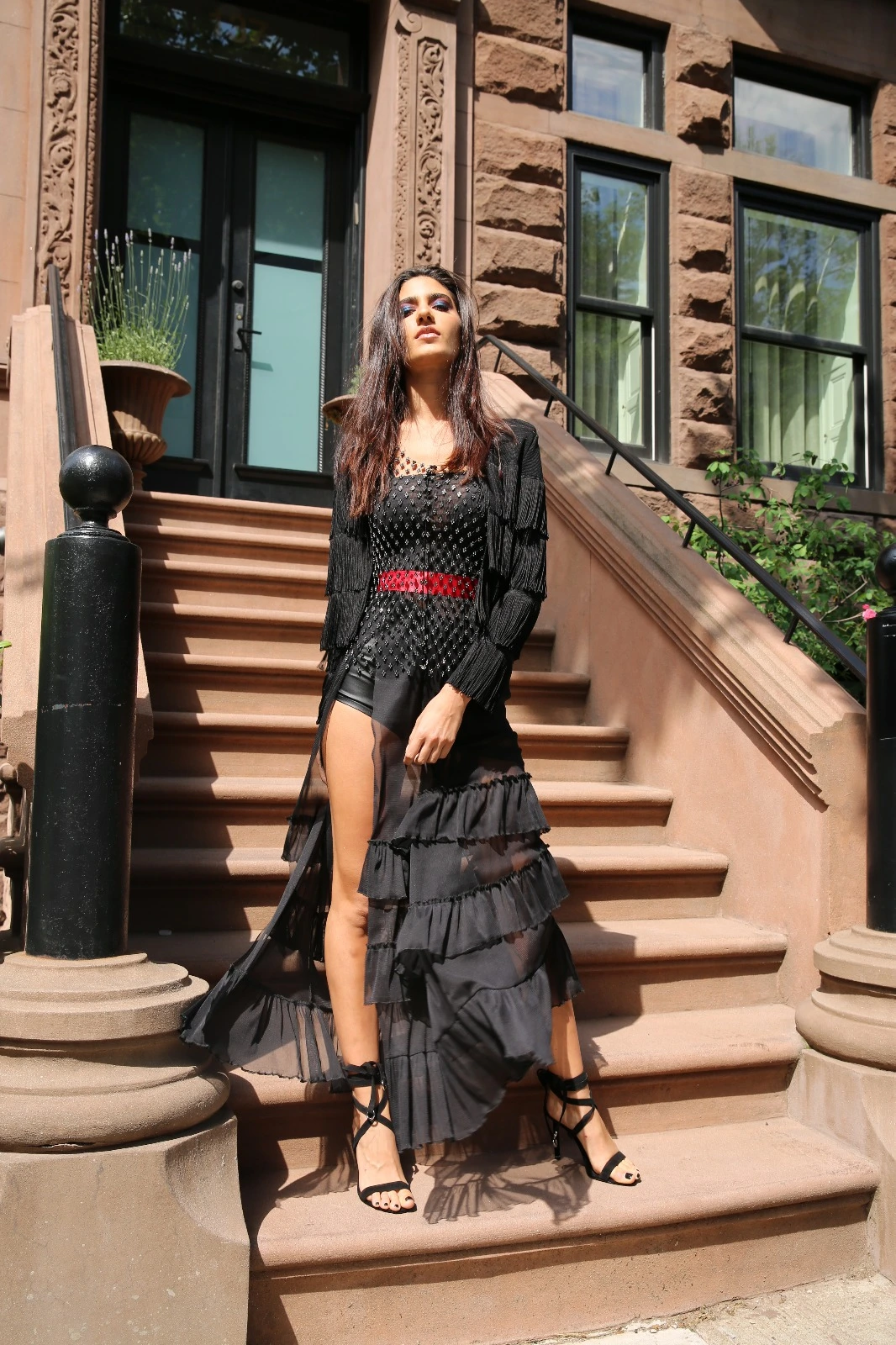
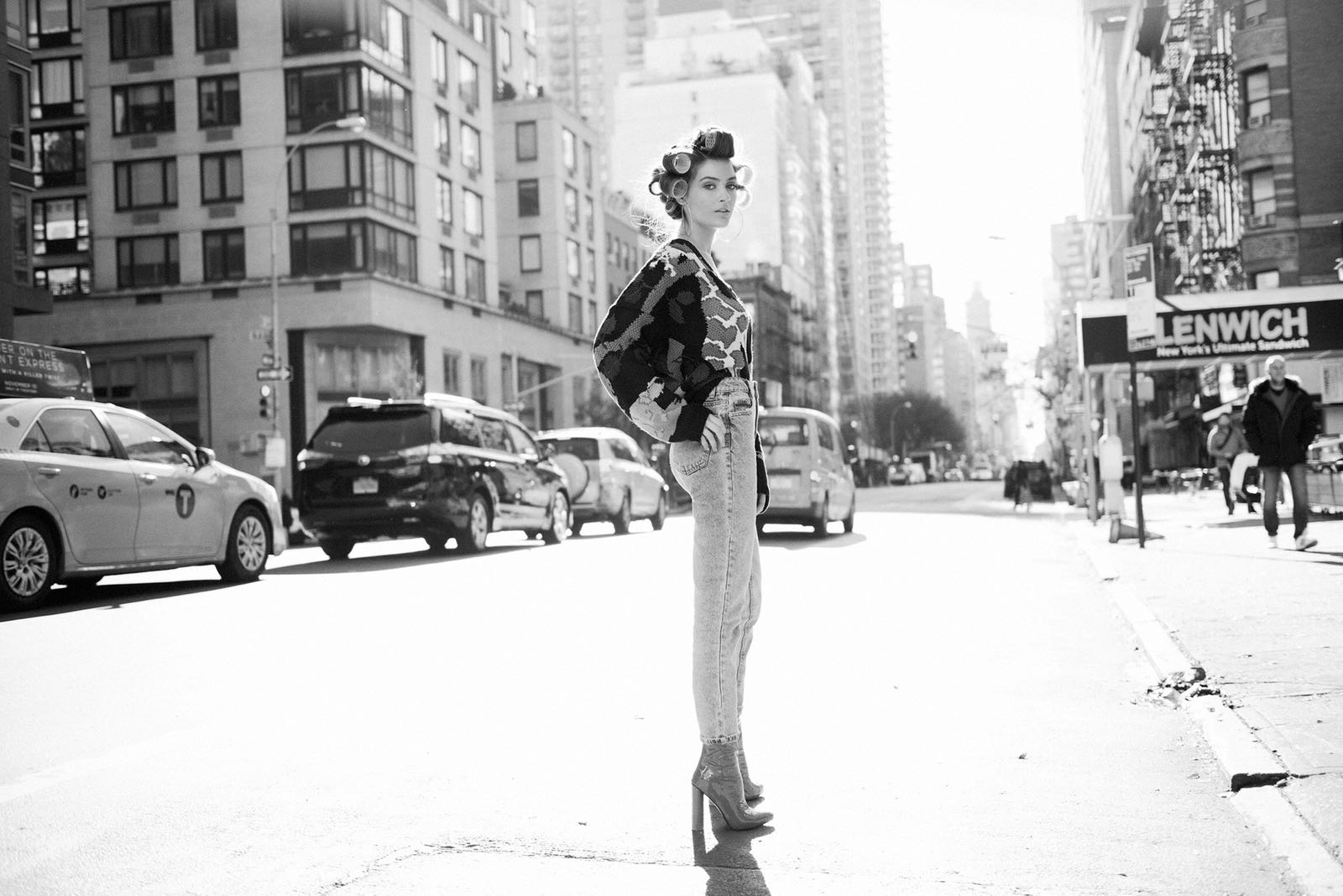
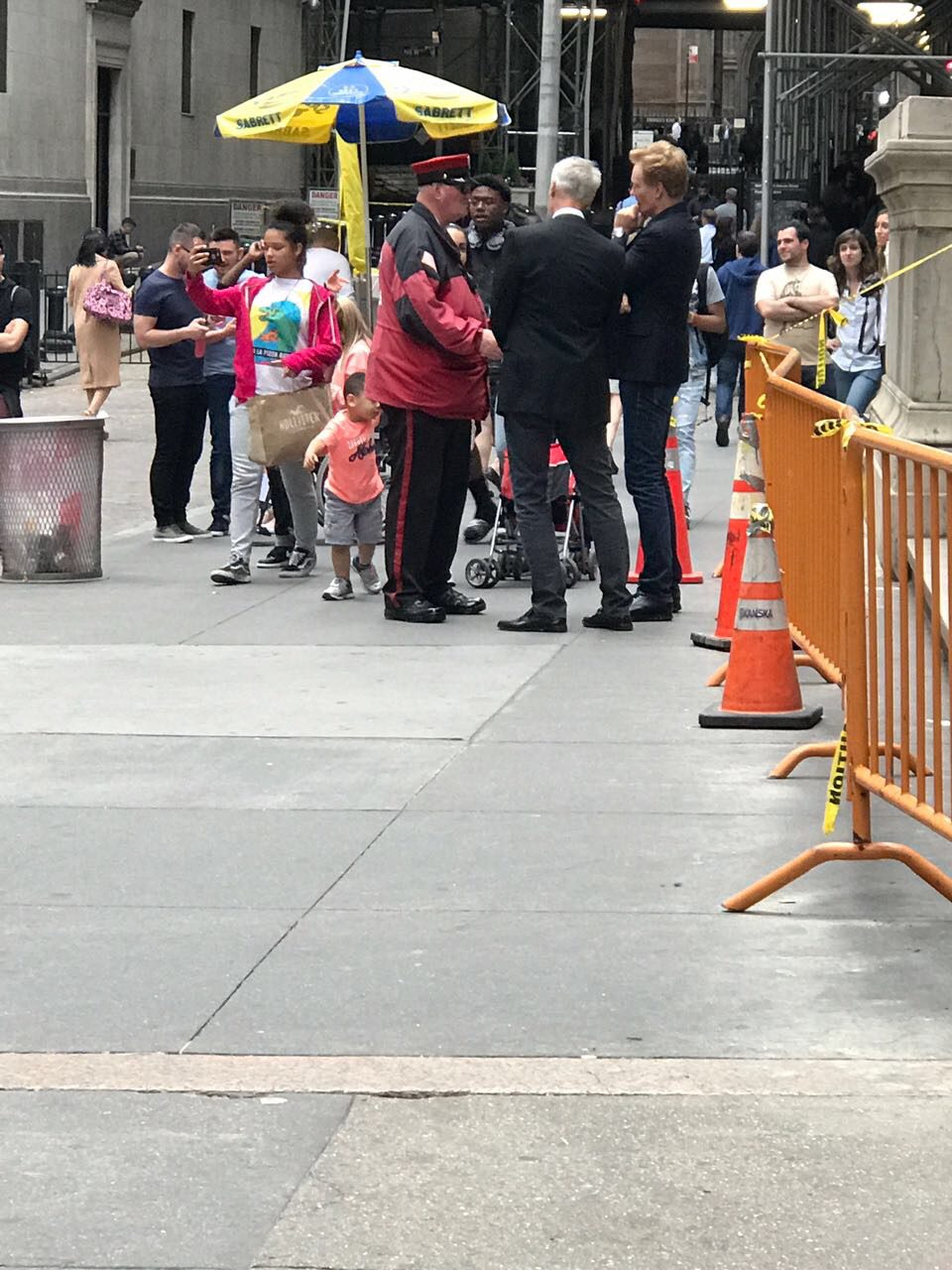
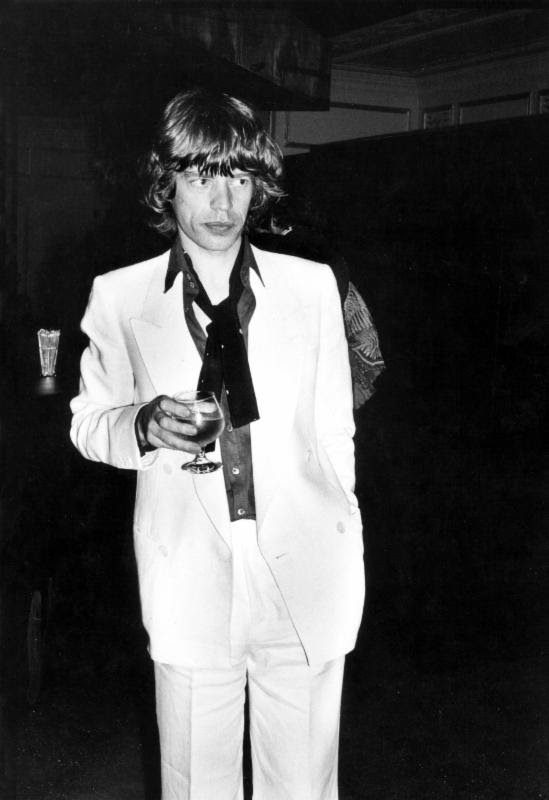
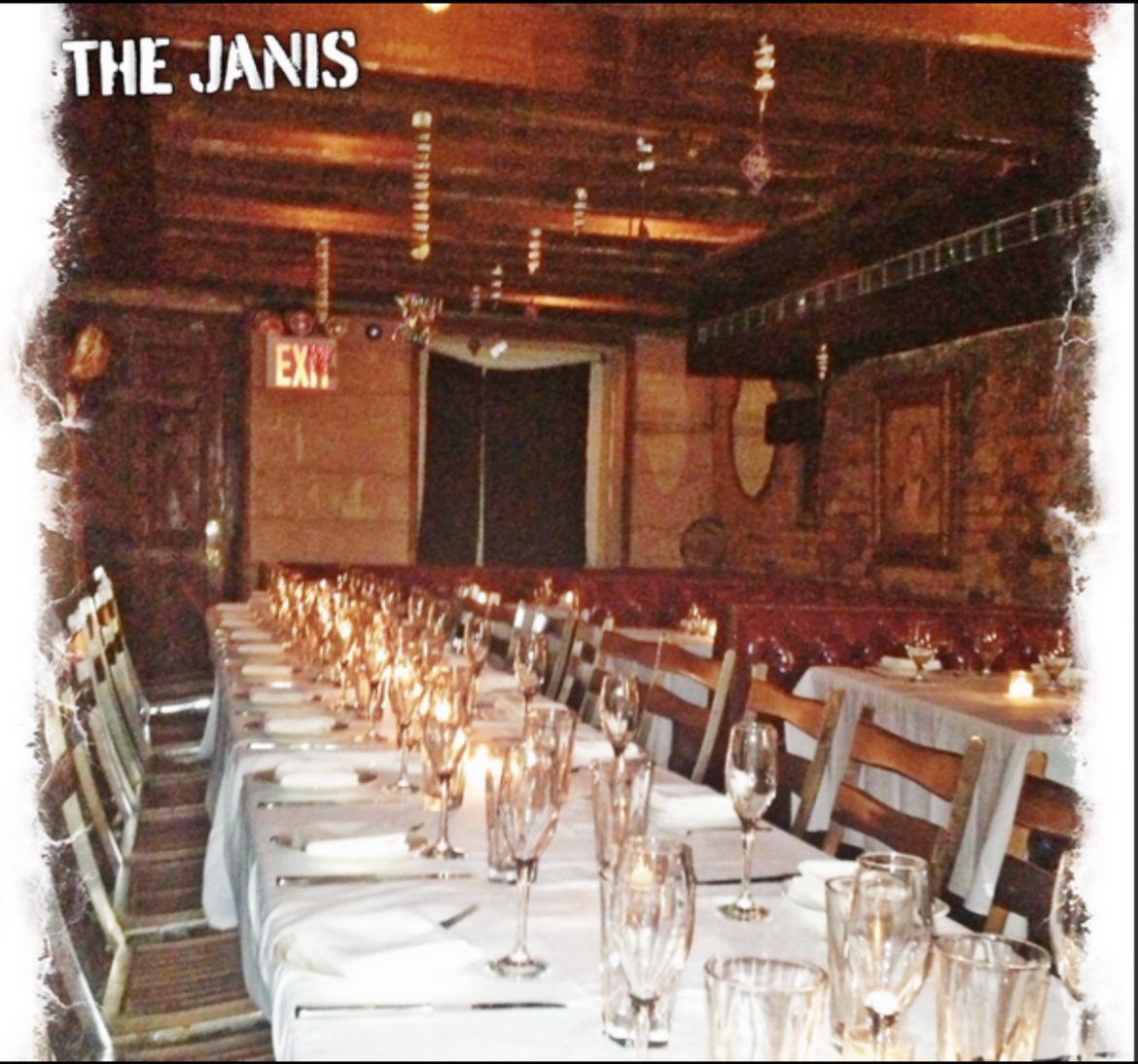
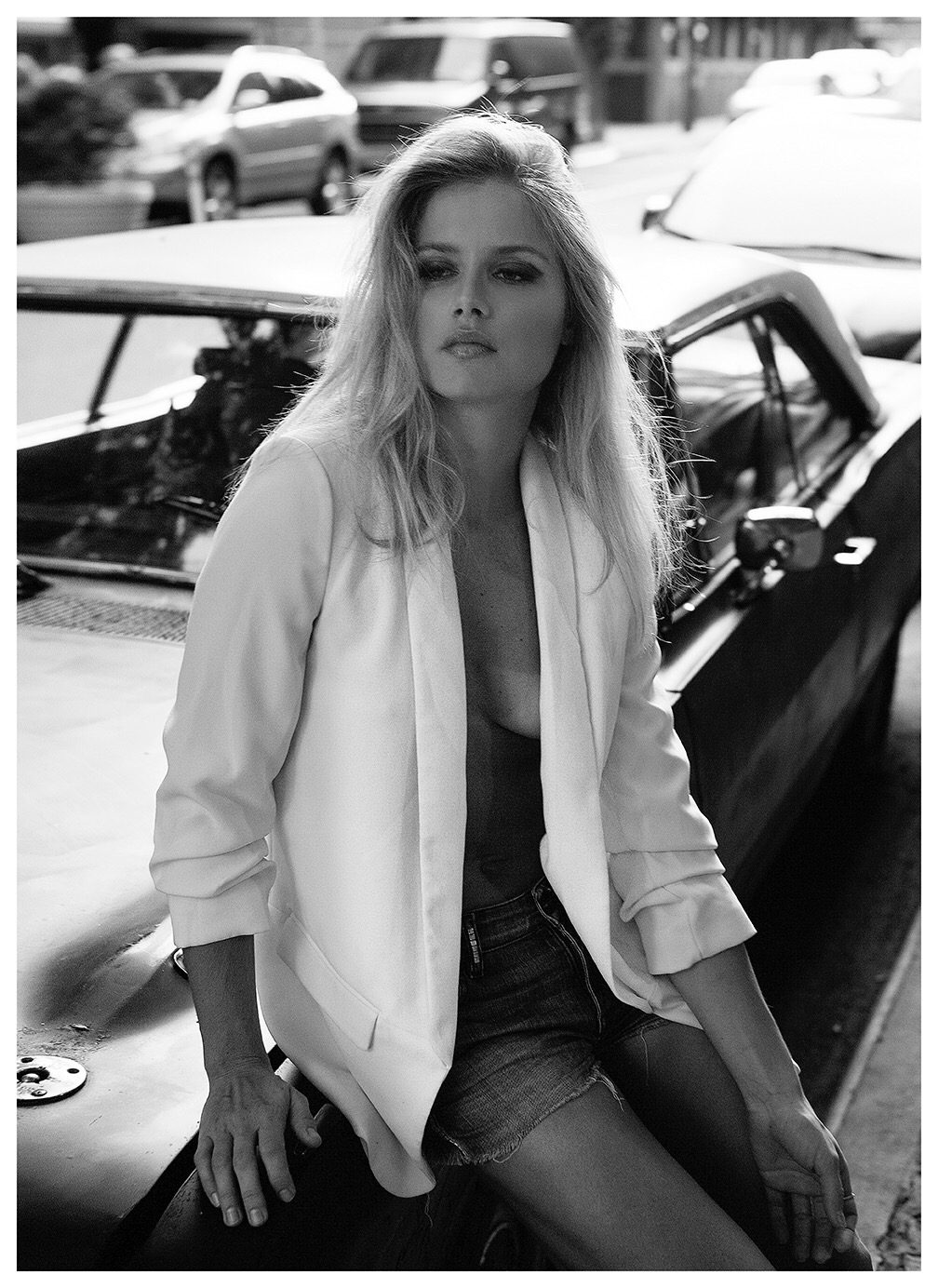
De Santos was famous not just for the food, but for who you might quietly see at the next table. It attracted celebrities who preferred privacy over publicity, especially artists, writers, and actors who lived in or loved the West Village. Among the regulars and well-known guestS Often spotted at De Santos were: Robert De Niro (a frequent presence, fitting the restaurant’s low-key, neighborhood vibe), Dustin Hoffman (known to dine there during his time in downtown Manhattan), Meryl Streep (reportedly visited for its discreet, old-fashioned charm), Al Pacino (another actor drawn to its classic Italian comfort food), Woody Allen (emblematic of the Village’s intellectual and artistic crowd), Harvey Keitel (known for loving the decor), Susan Sarandon (food specialist), Christopher Walken (a pop up recurrent guest), Martin Scorsese (rumor is he loved the place to talk about scripts and castings), (Liam Neeson (the charming neighbor), Spike Lee (in love with the vibe) and the magnificent Christopher Nolan (apparently the building inspired him for a a scene for his Batman movie). What made De Santos special was that celebrities weren’t treated like celebrities. No velvet ropes, no fuss, no good food, familiarity, privacy and discretion. That atmosphere made it a refuge for people who were famous everywhere else but just locals at De Santos. Here’s a clean, fashion only drop, the kind of names associated with the De Santos West Village early 2000s scene: Gigi and Bella Hadid, Kate Moss, Gisele Bundchen, Adriana Lima, Miranda Kerr, Irina Shayk, Rosie Huntington – Whiteley, Linda Evangelista, Christy Turlington, Karen Elson, Naomi Campbell, Helena Christensen, Amber Valletta, Tatjana Patitz, Shalom Harlow, Calvin Klein, Donna Karan, Marc Jacobs, Tom Ford, Ralph Lauren (quiet appearances), Anna Wintour (low-key, never a scene), André Leon Talley, Carine Roitfeld, Grace Coddington, Mario Testino and Patrick Demarchelier. Why De Santos? , this crowd chosc De Santos because it wasn’t a fashion restaurant- Models could eat without being looked at as models, and designers could talk without performing. That’s exactly why it worked. Here’s a unique list of rock stars and musicians tied to the De Santos downtown ecosystem, the kind of crowd that overlapped naturally, late dinners, no spectacle: Mick Jagger, Keith Richards (especially during his NYC years), David Bowie, Lou Reed, Bono (quiet, in-town visits), Chris Martin (special habitue), Patti Smith, Jay Z, Rihanna, Beyoncé, legendary Nas and the duo Pharrell Williams and John Meyer (both played regularly the local piano at Janis the basement). These artists moved between music, fashion, and art. De Santos wasn’t about status—it was about being lefi alone. That made it appealing, they didn’t need bottle service or spectacle to signal success. De Santos was where rock stars could talk without being mythologized. No hype, no soundtrack, no scene—just a room full ofpeople who’d already lived loud lives elsewhere.
De Santos also drew a broader, glamorous crowd—people who were very much rich and famous, but who valued discretion. It wasn’t a red-carpet place; it was where you went to disappear in Plain sight. Over the years, the dining room was known for hosting: Fashion insiders (designers, editors, stylists, and luxury-brand executives who preferred De Santos to louder Midtown power spots), Professional athletes (especially NBA players passing through NYC in the 2000s, Knicks era especially), European soccer players (spending time in New York, drawn by the privacy and Old-school service) and the best of the best Tennis pros during the US Open such as Roger Federer, Rafael Nadal and Novak Djokovic (who wanted privacy over Nobu-style visibility), Hedge fund founders and Wall Street legacy (families with West Village or Tribeca homes), International elites (European aristocracy, art collectors, gallery owners and film-world money—who treated De Santos as a reliable, elegant constant when in NYC). What set De Santos apart was that wealth and fame blended seamlessly. Models sat next to writers, athletes next to aging film legends. No Phones out, no scene-making. If you noticed someone famous, it was because you recognized them—not because the restaurant announced them. That’s Why De Santos is remembered less as a “celebrity hotspot” and more as a private club without membership, emblematic Of a New York that no longer really exists.
The Spot
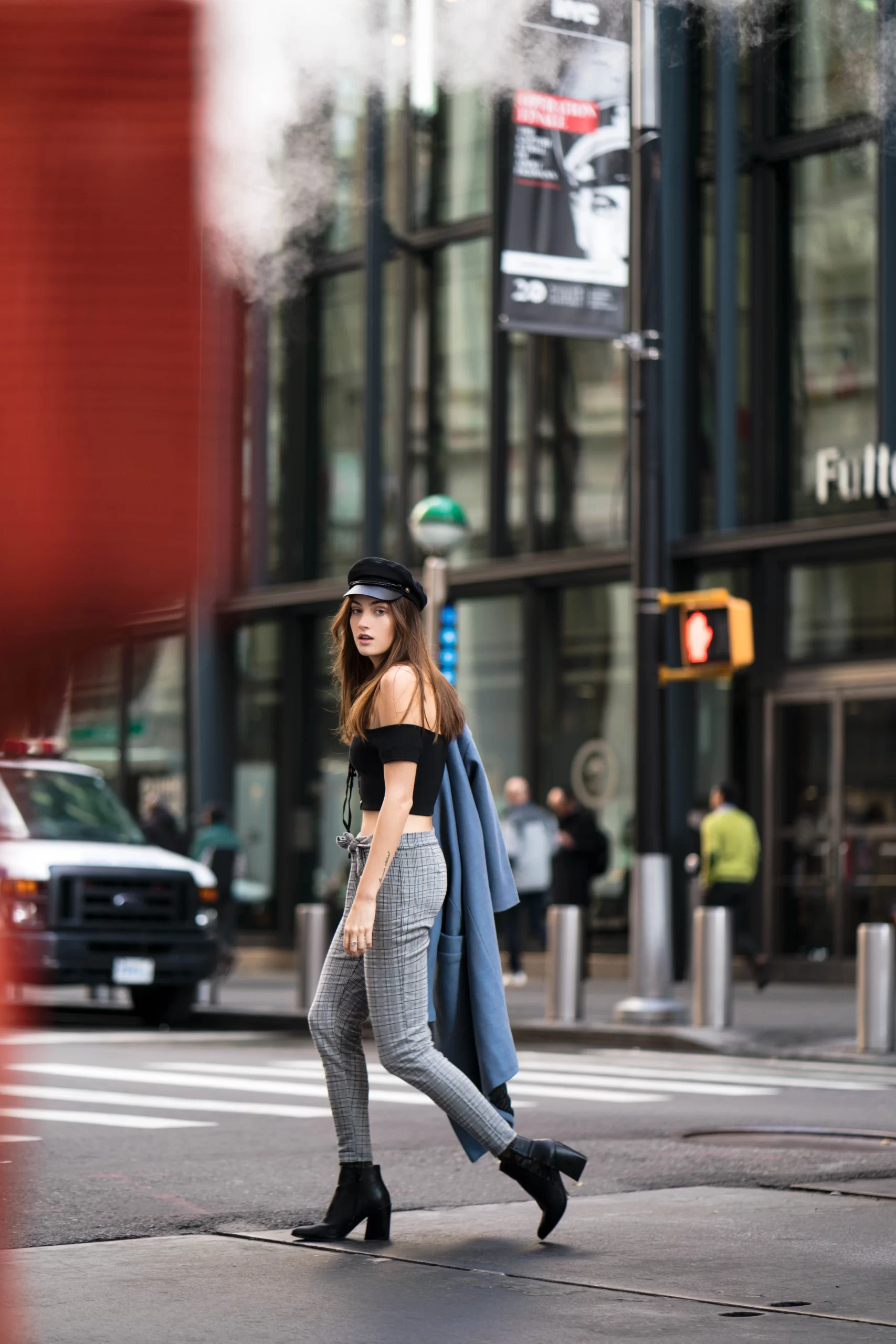

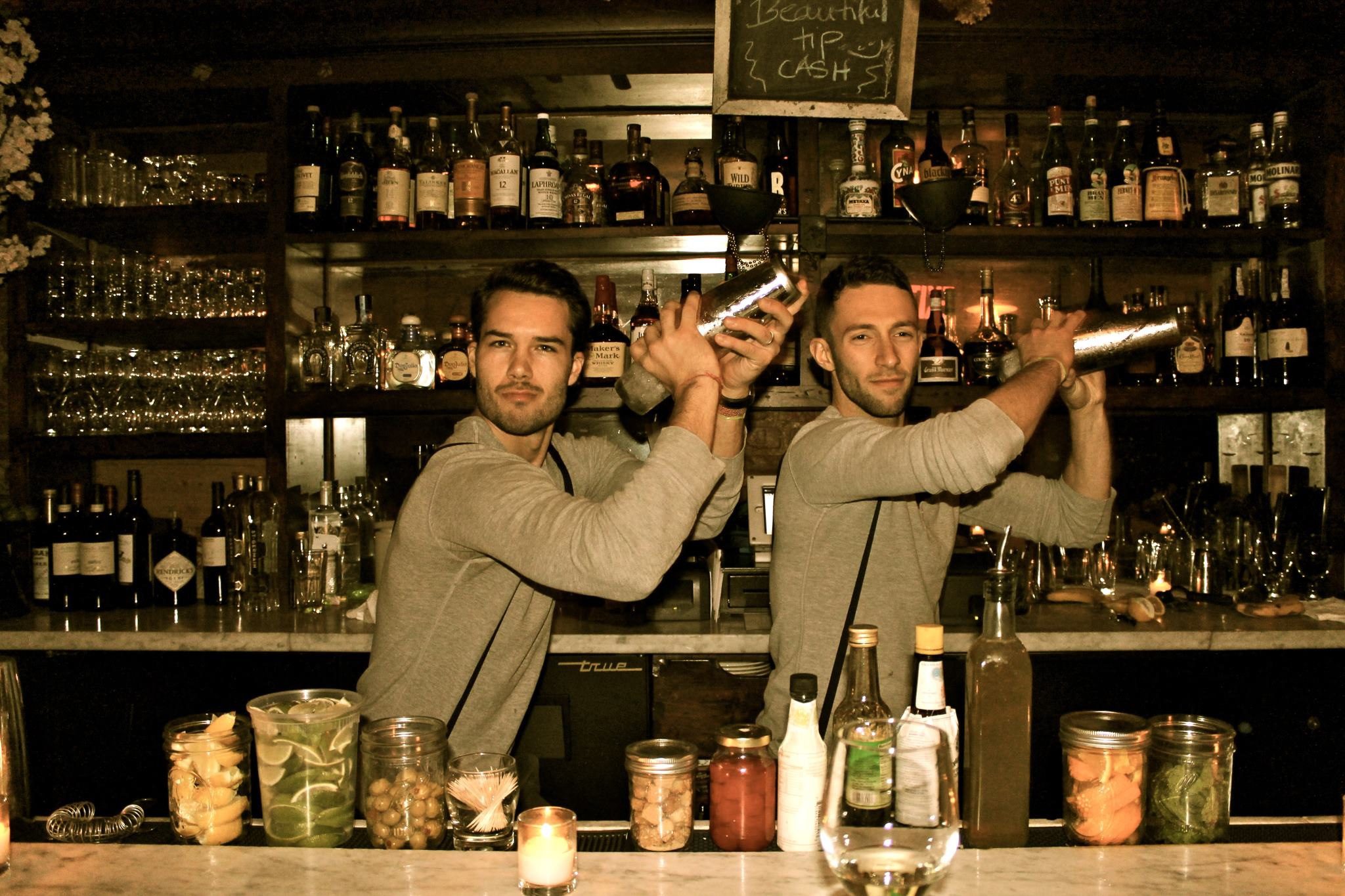

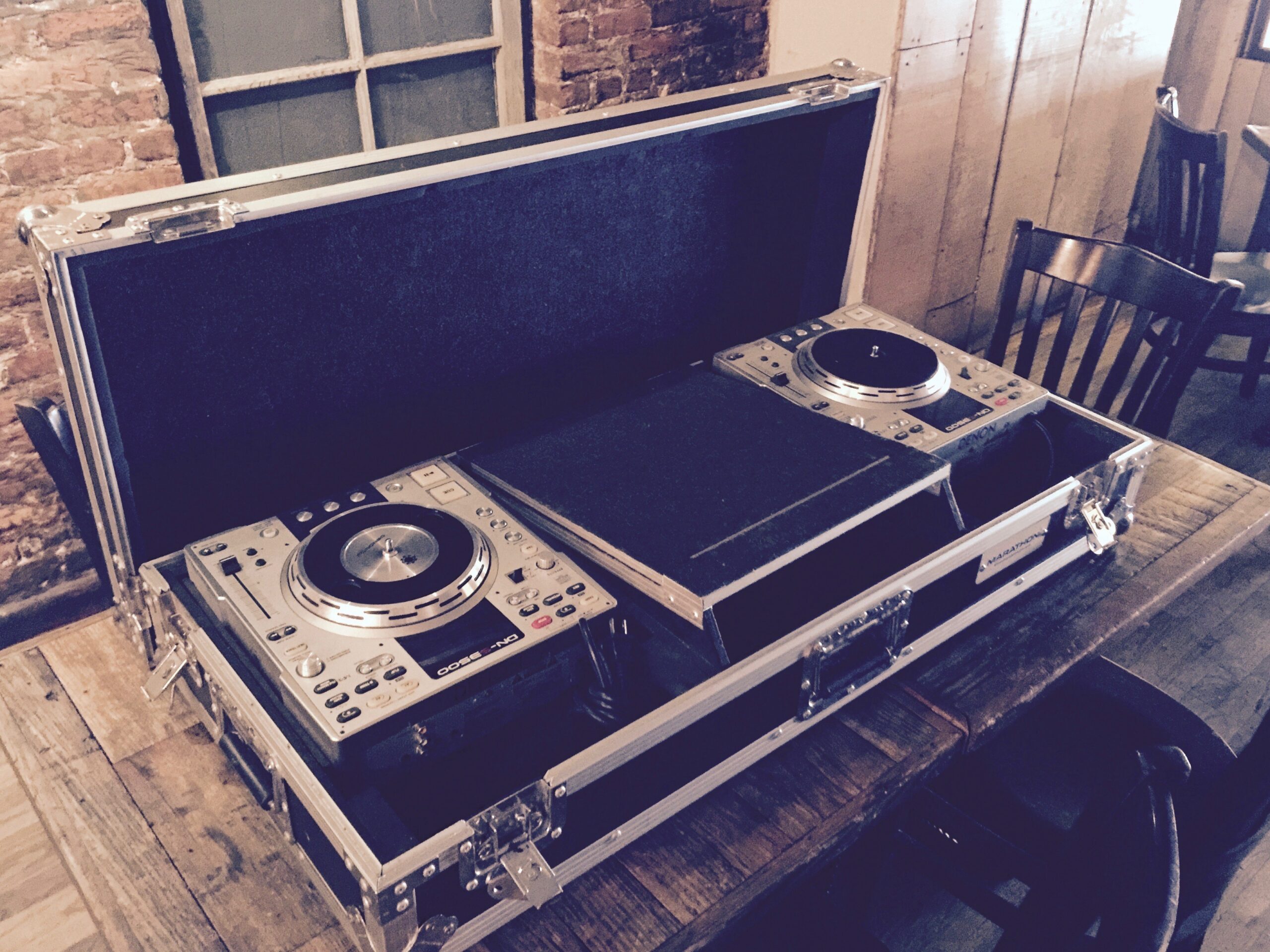



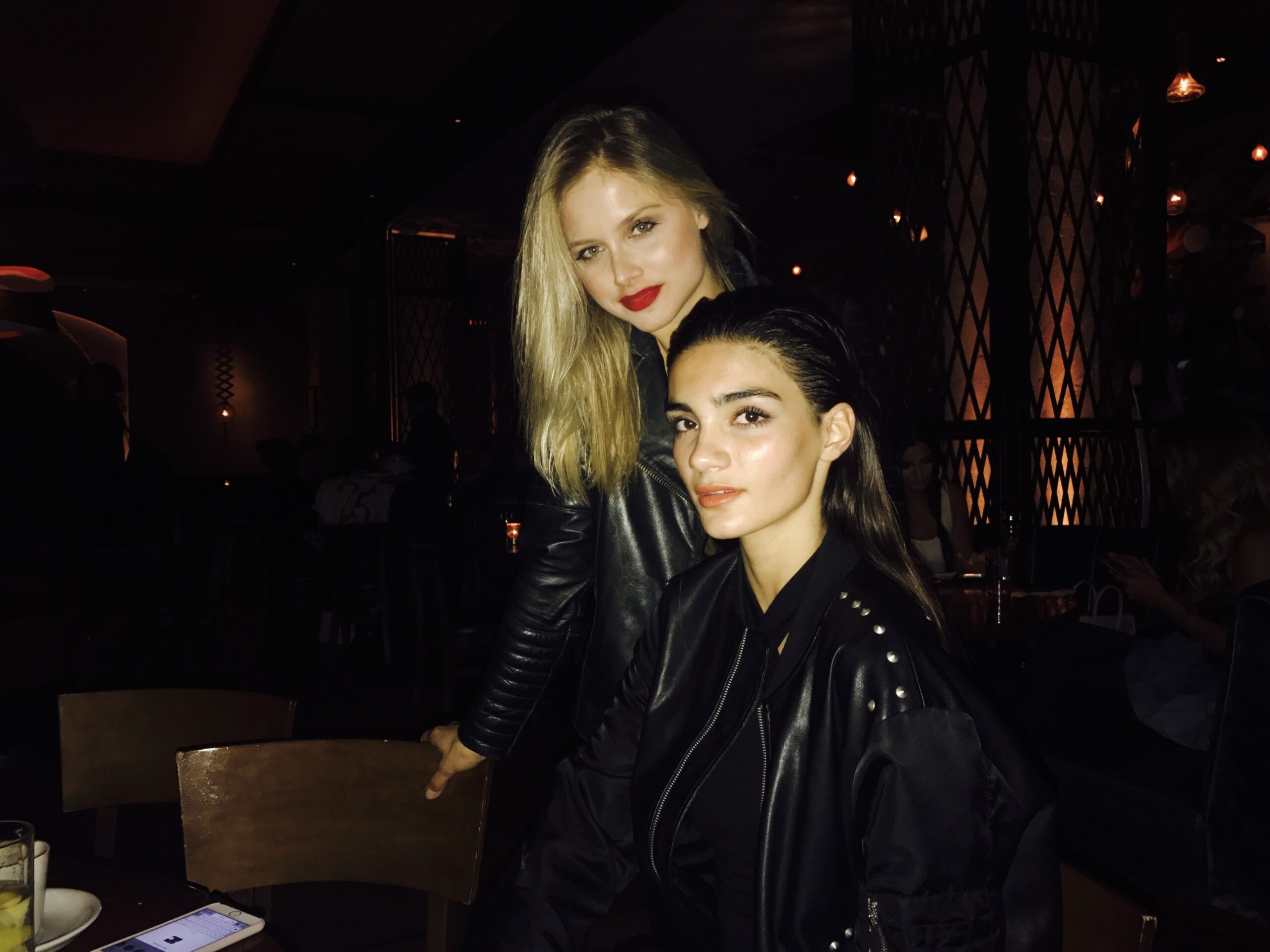
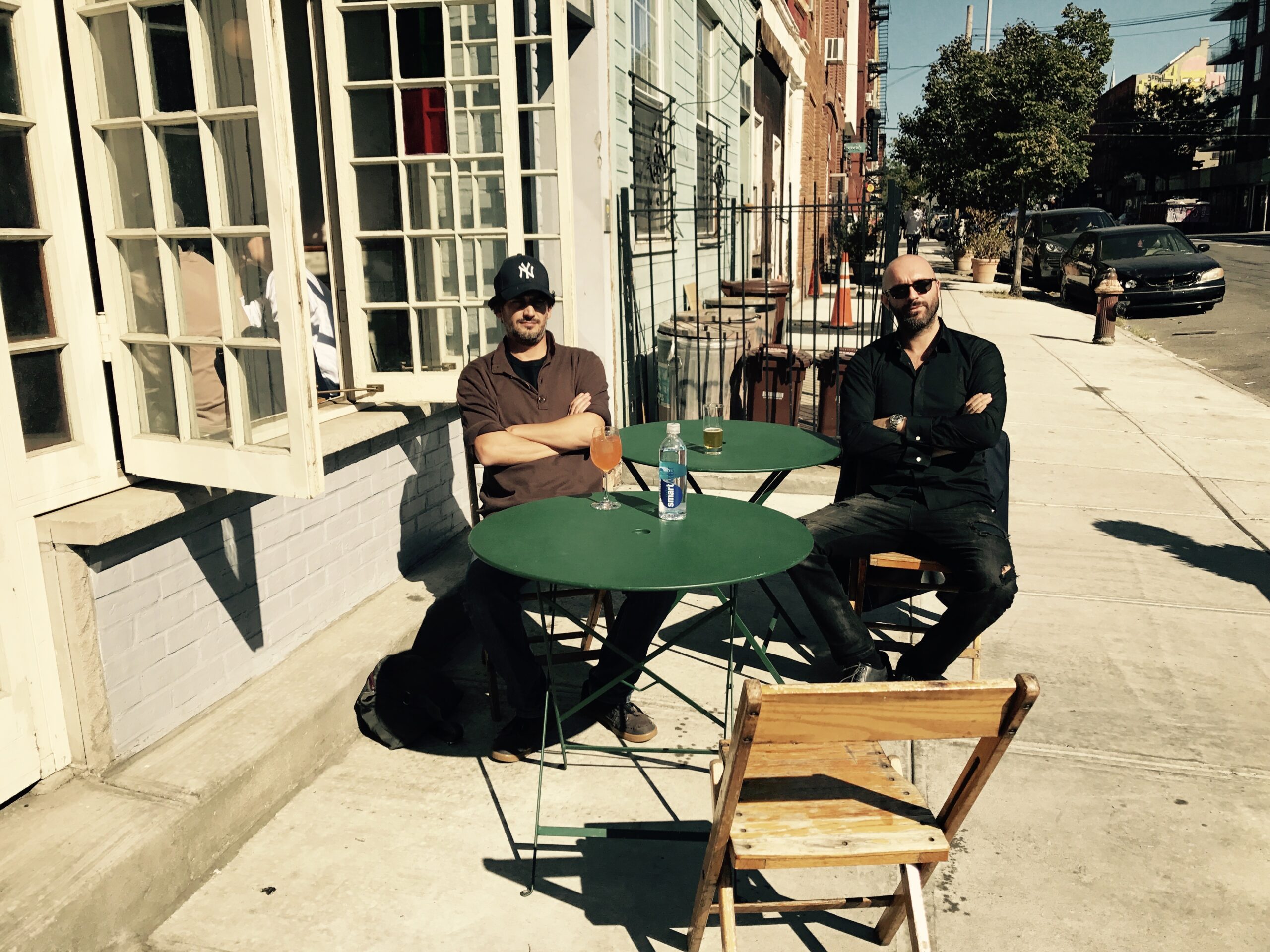

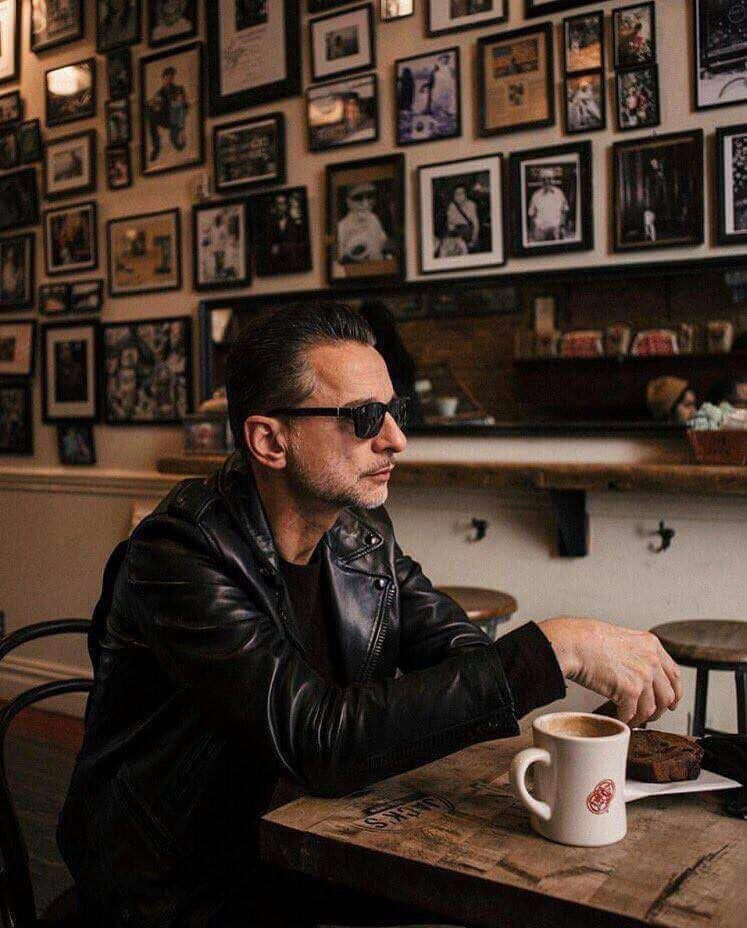

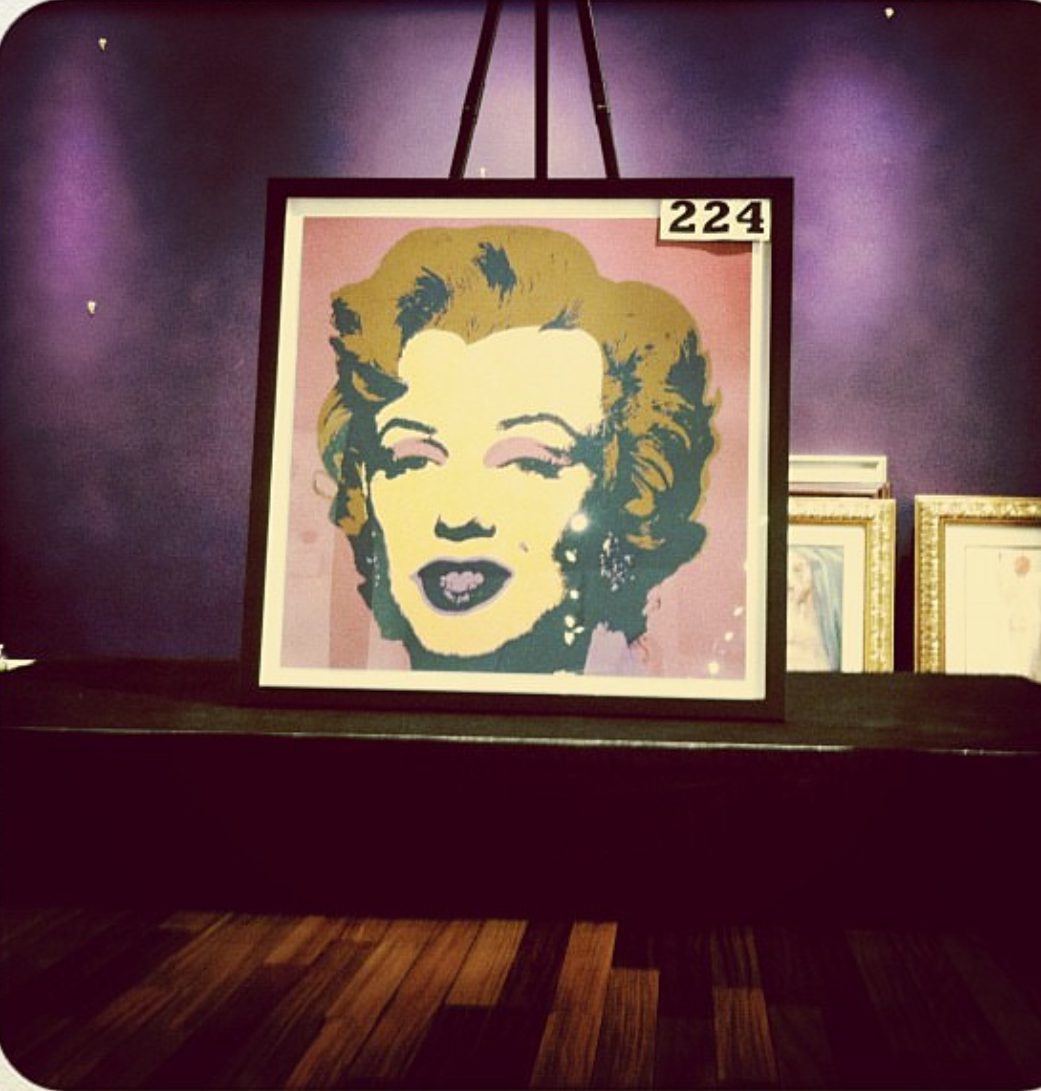


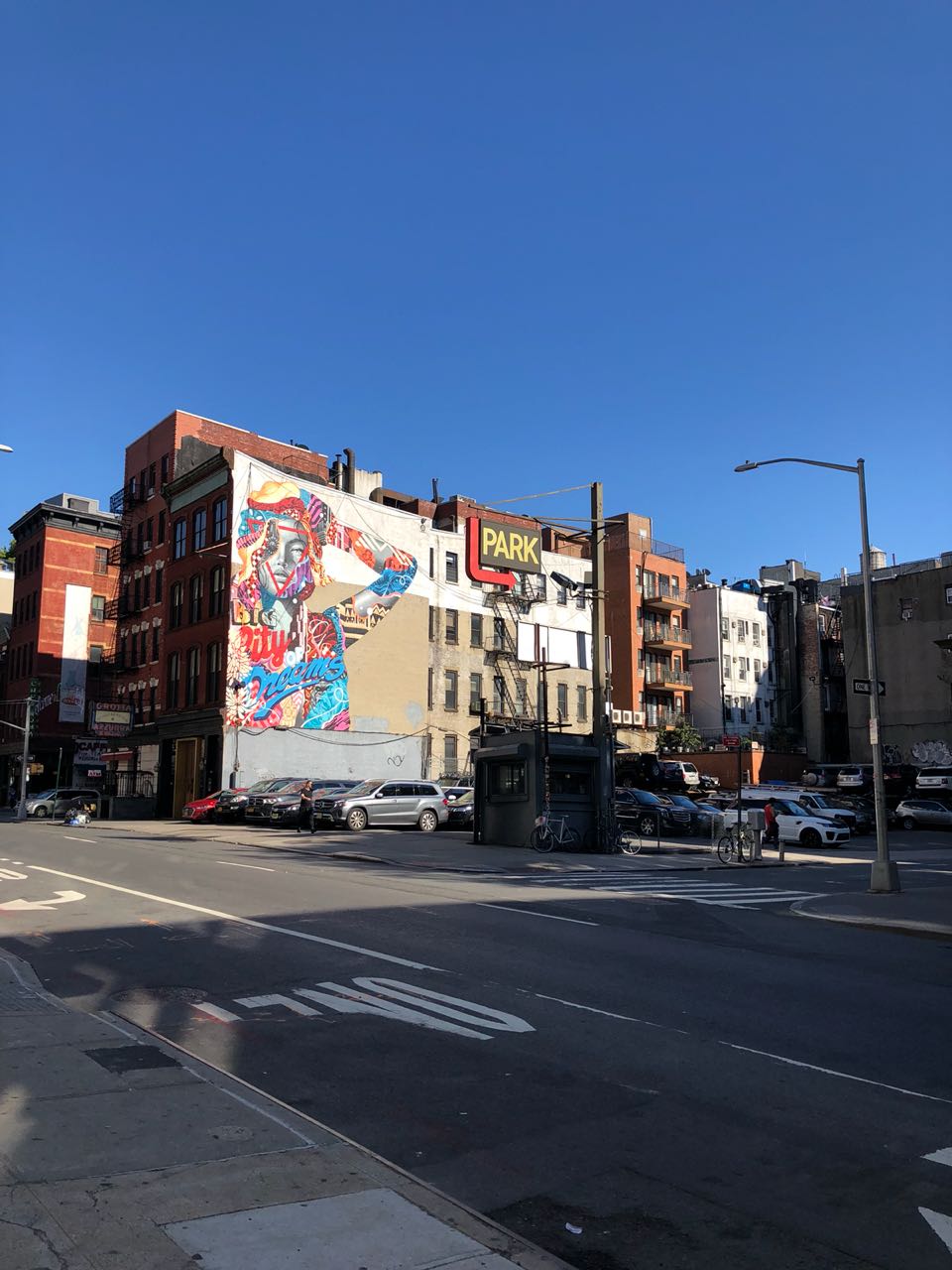














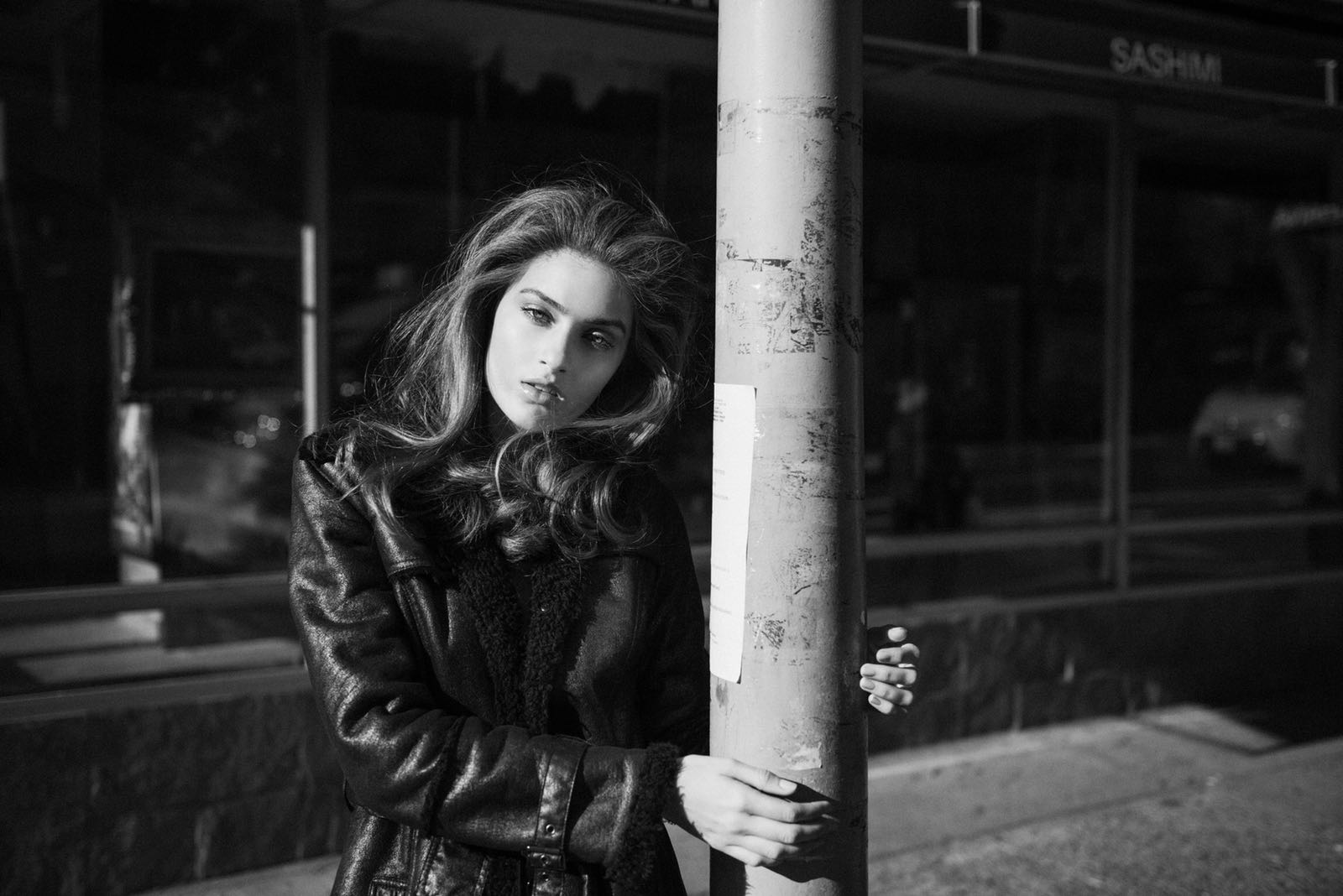
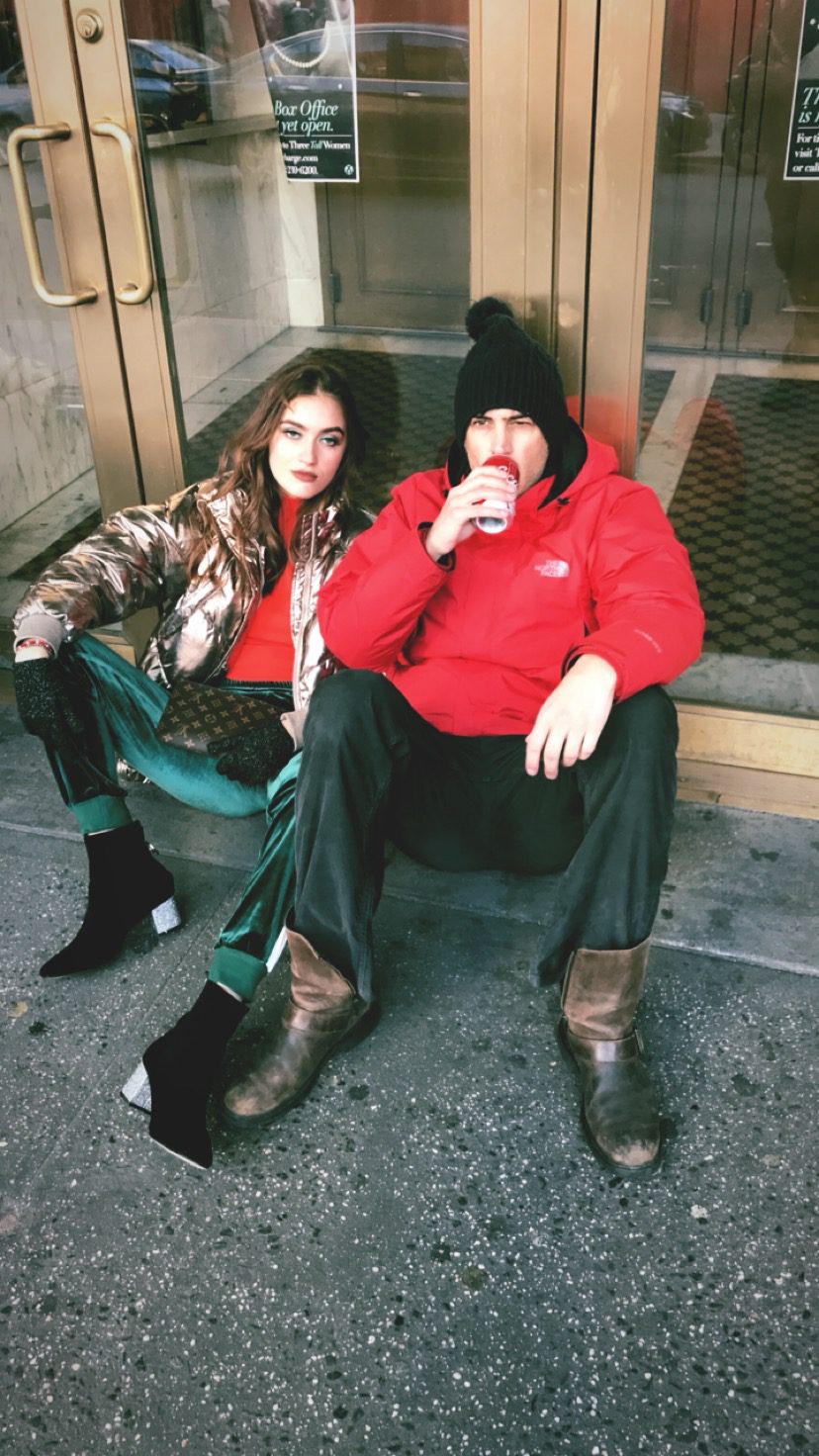
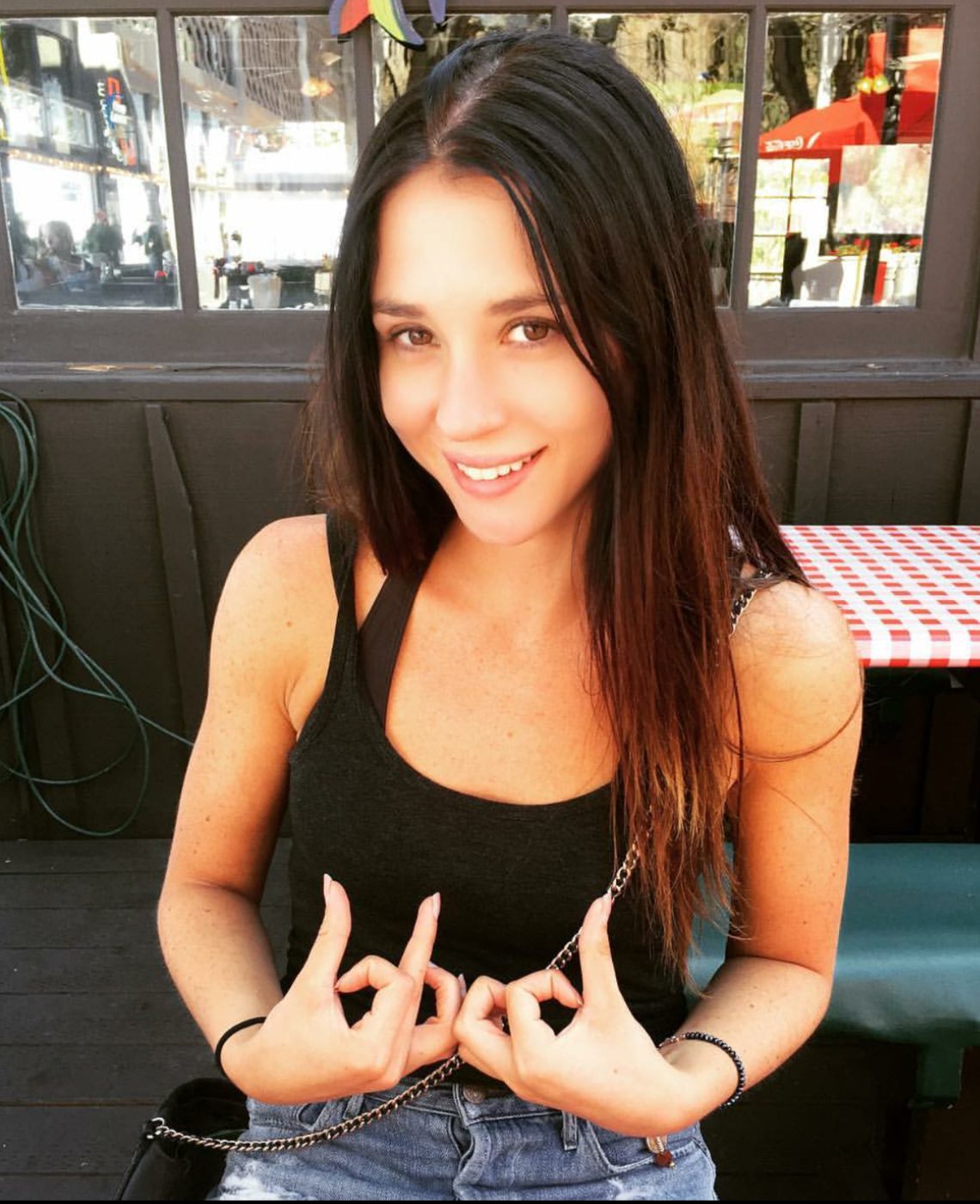
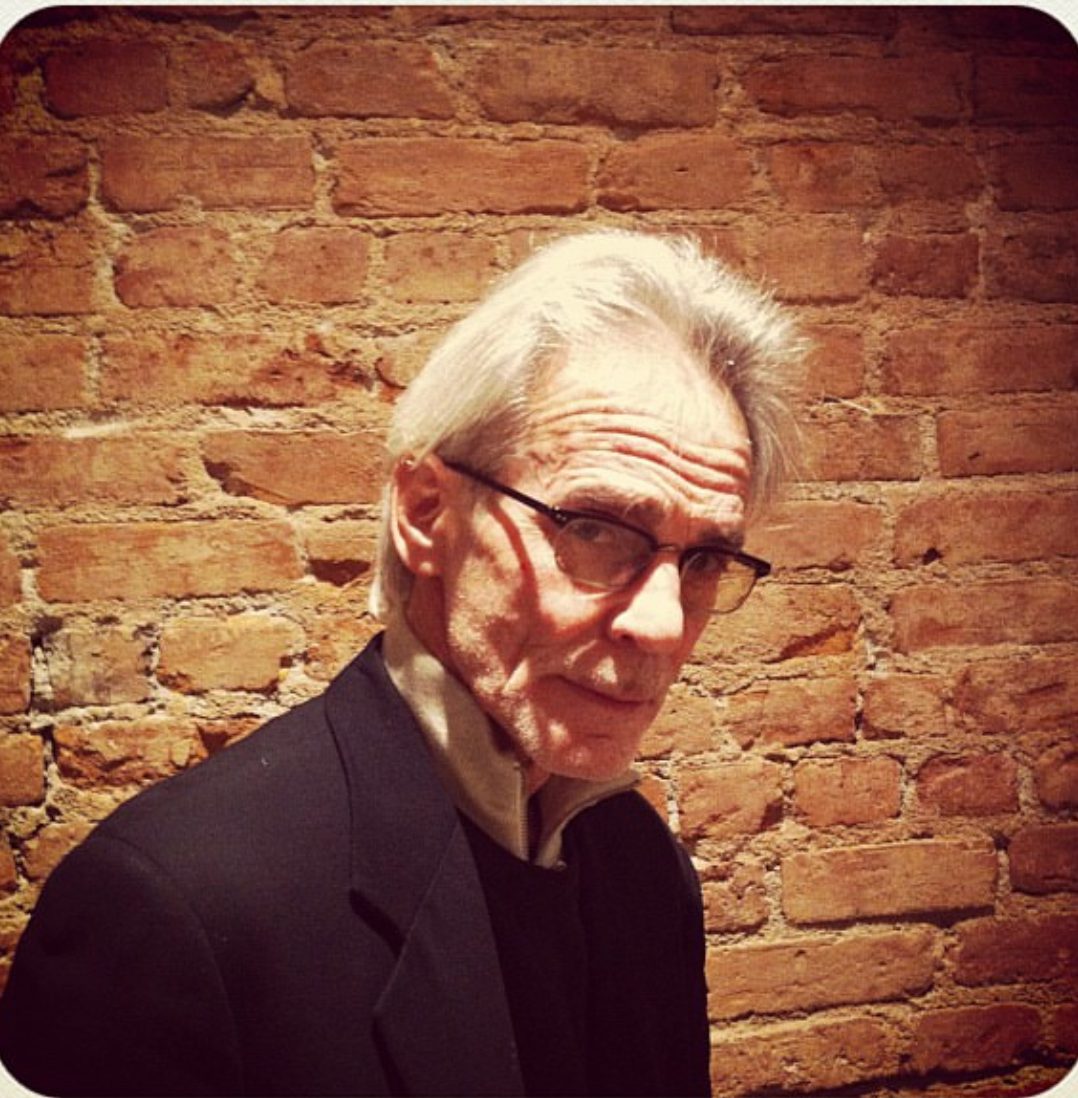
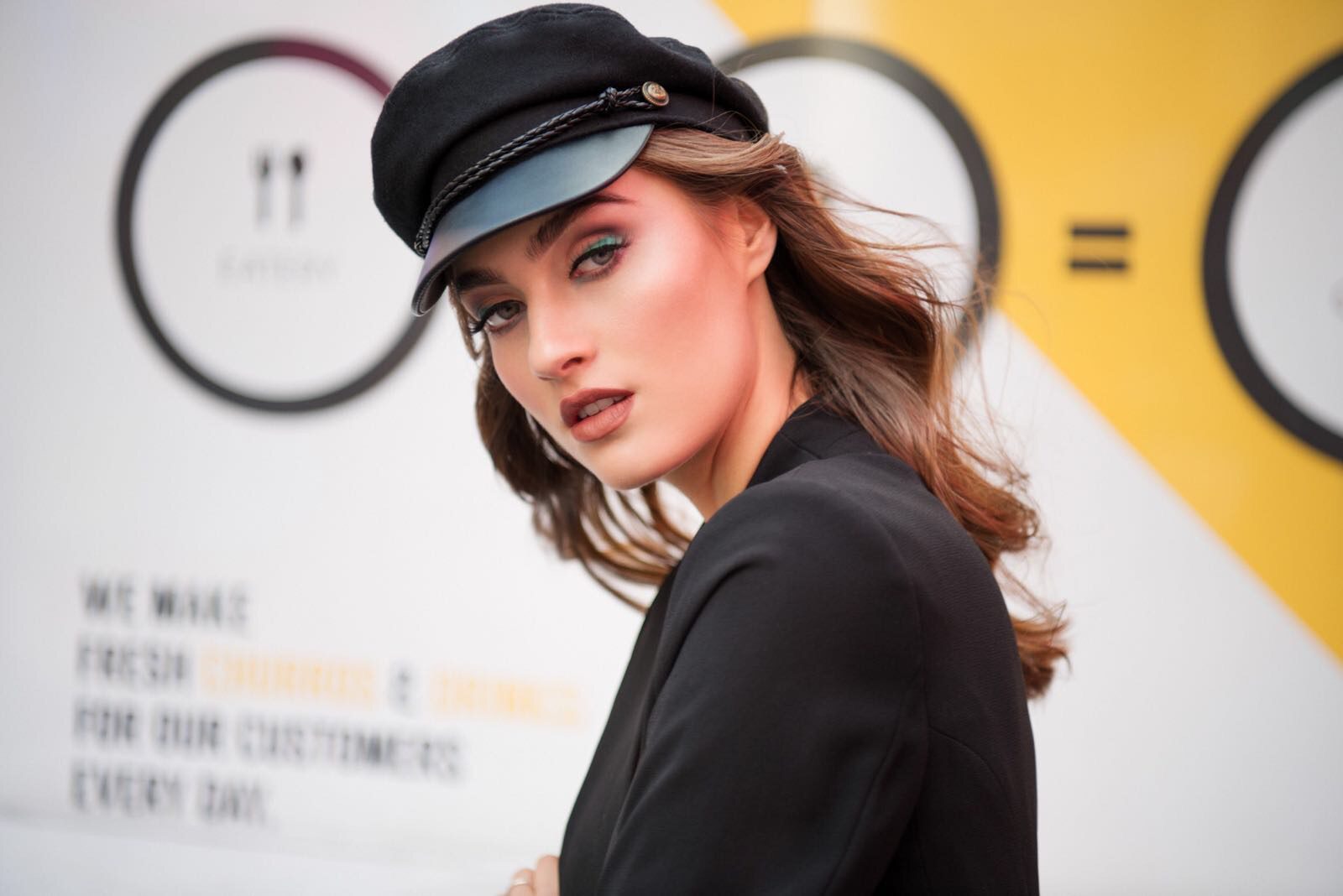
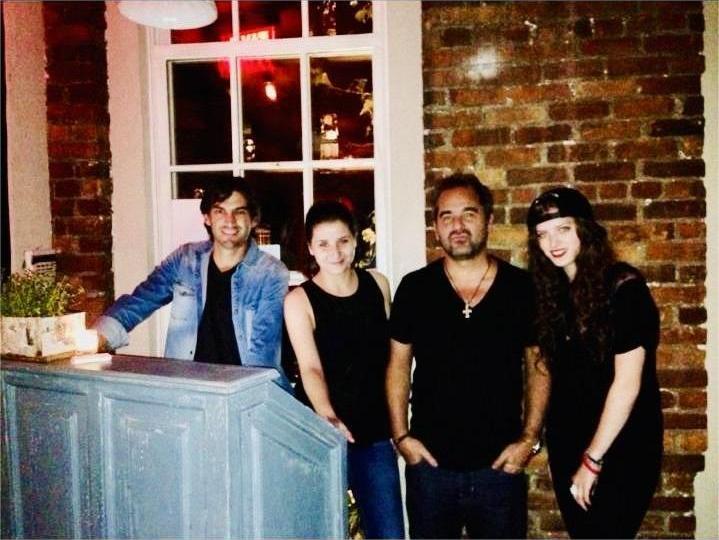
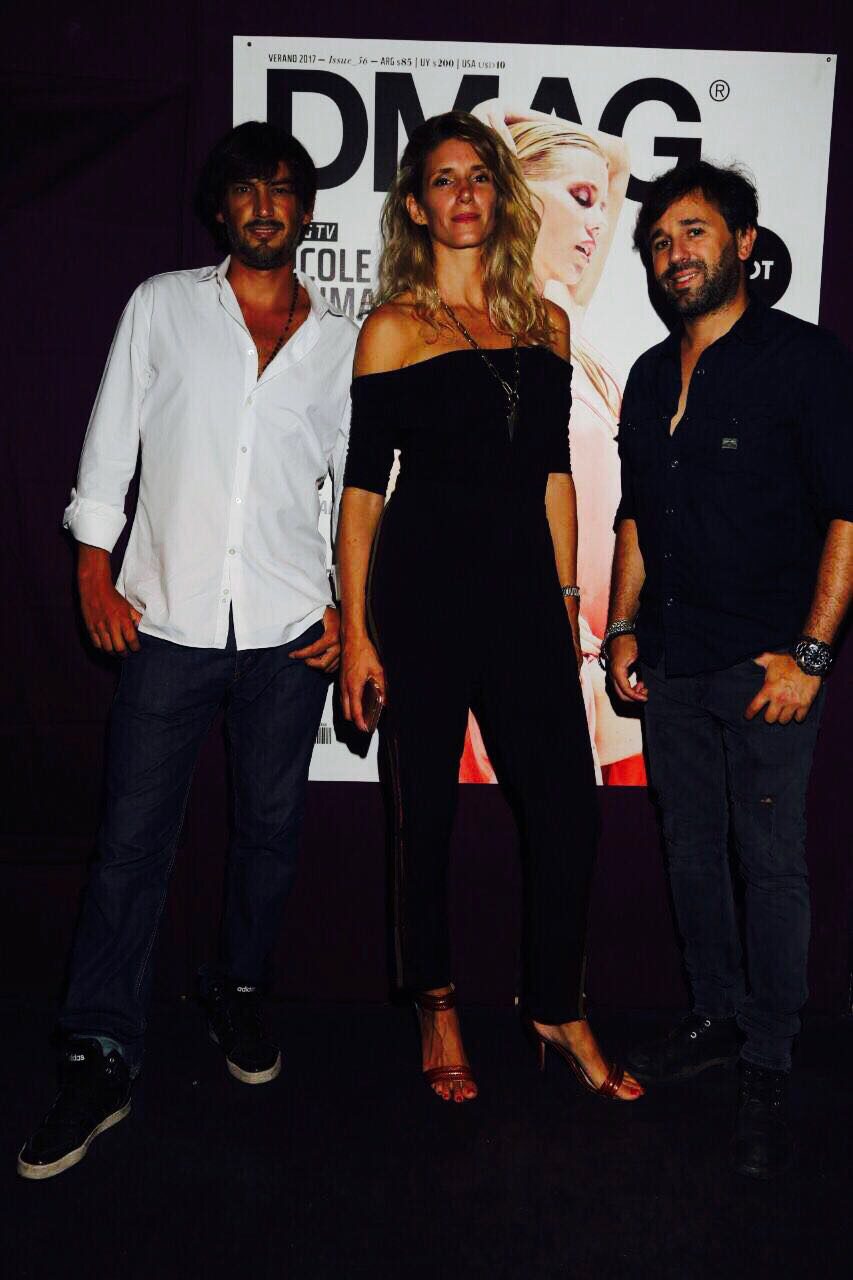
Guests
Een korte rondleiding door winner casino login geeft direct een goed overzicht van de talrijke mogelijkheden. Mobiele uitbetalingen zijn even snel en veilig als via de desktopversie. Spelers kunnen in hun account de status van alle lopende bonusaanbiedingen bekijken. Een geïntegreerd antifraude-systeem monitort transacties in realtime op afwijkingen. Het spelaanbod omvat duizenden titels van gerenommeerde software-ontwikkelaars zoals NetEnt, Microgaming en Pragmatic Play. Blackjack-tafels zijn beschikbaar in meerdere limietniveaus, van beginner tot highroller. Uitbetalingen worden binnen enkele uren verwerkt, in sommige gevallen zelfs binnen minuten. Statistieken over het eigen speelgedrag zijn op te vragen in het persoonlijke gedeelte. Een aanbevelenswaardig adres voor iedereen die online gokken serieus beoefent.
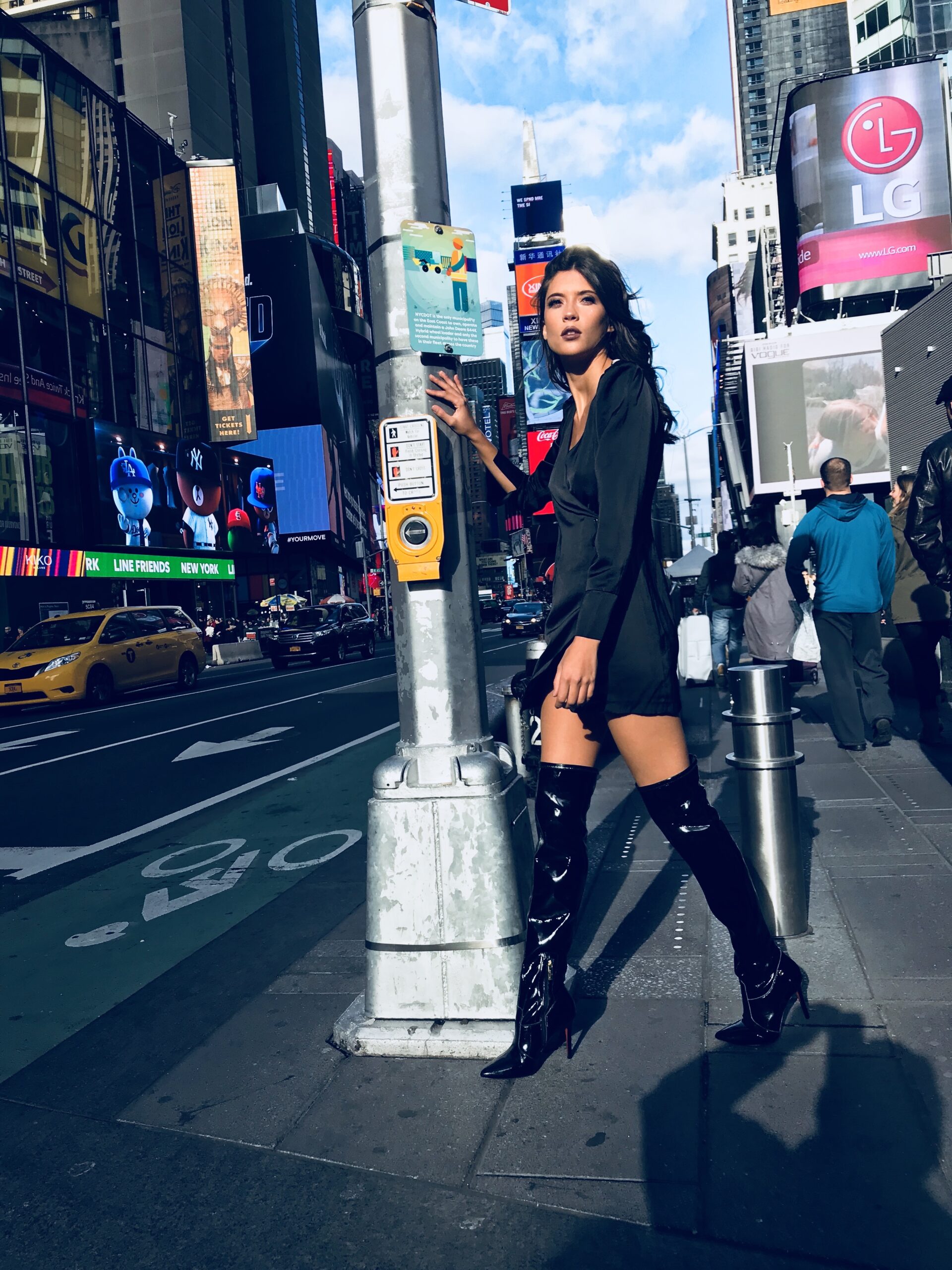


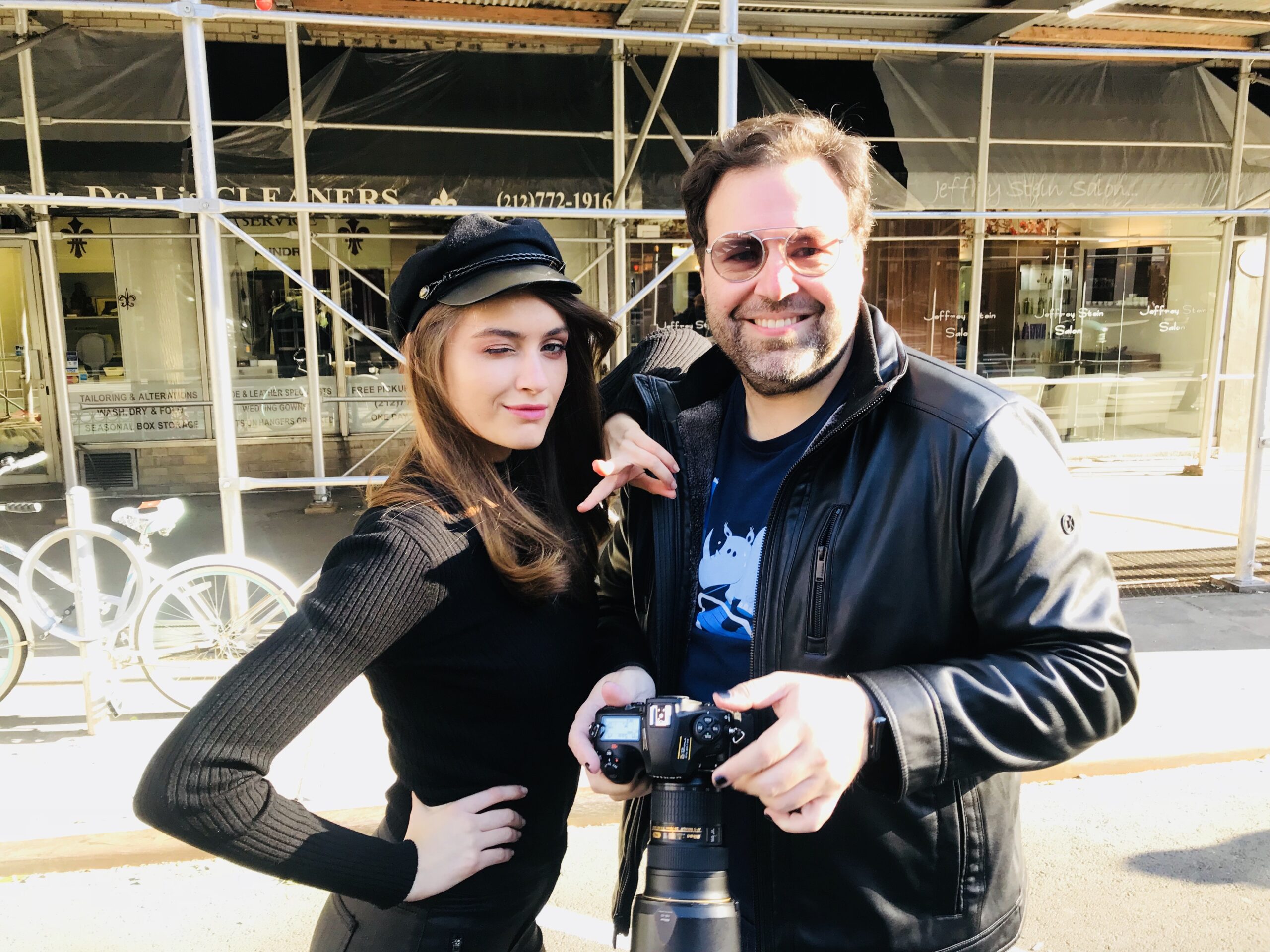





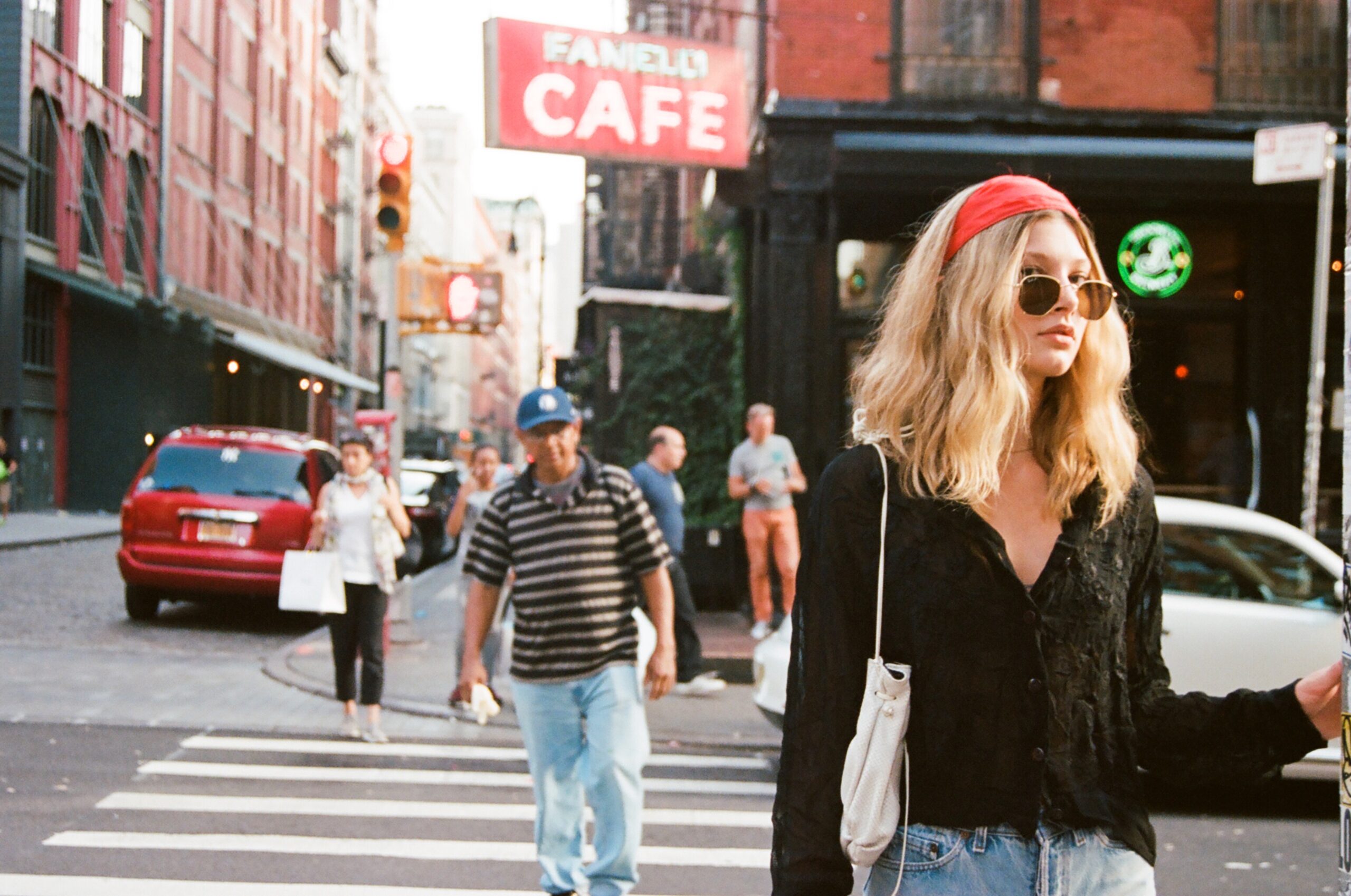
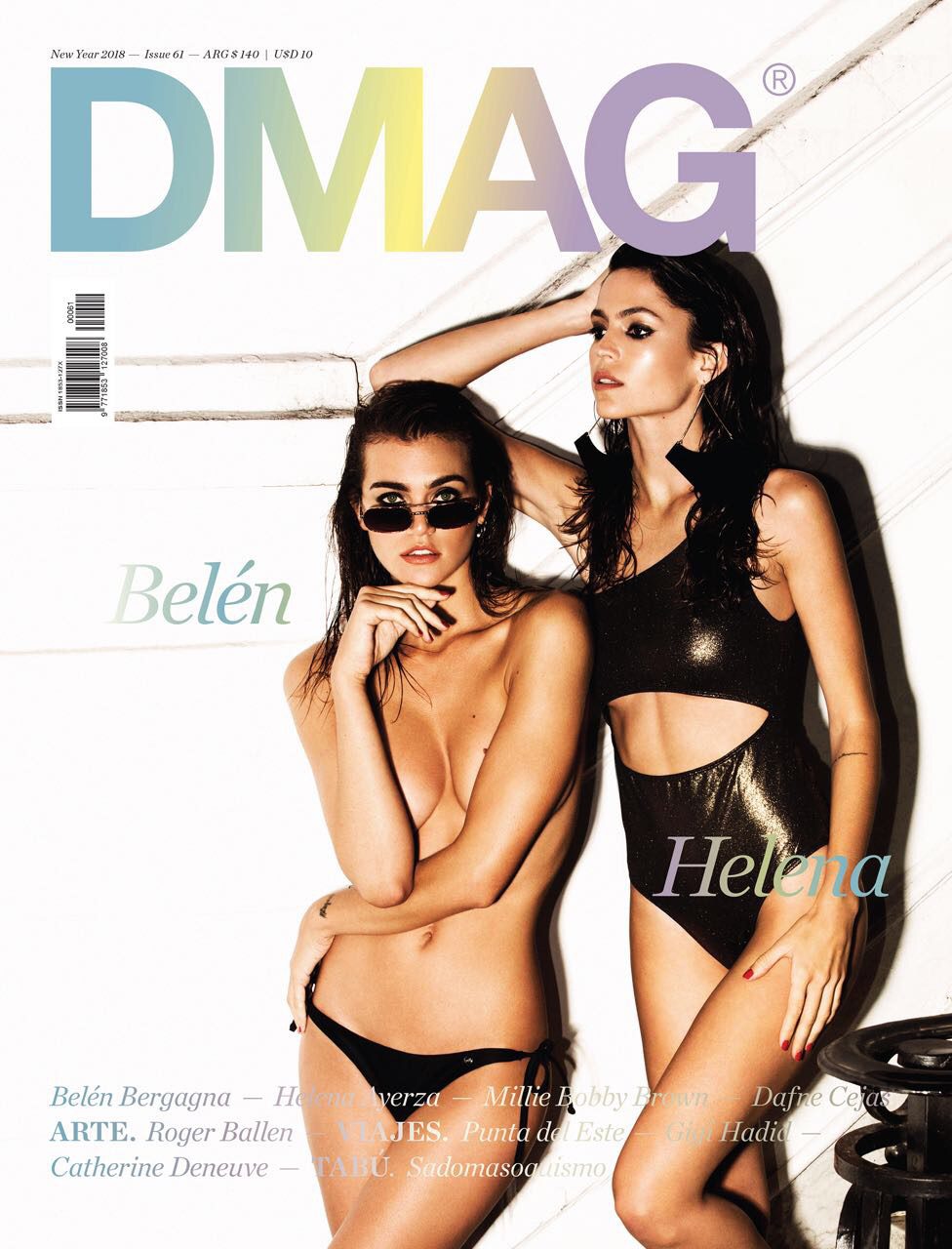
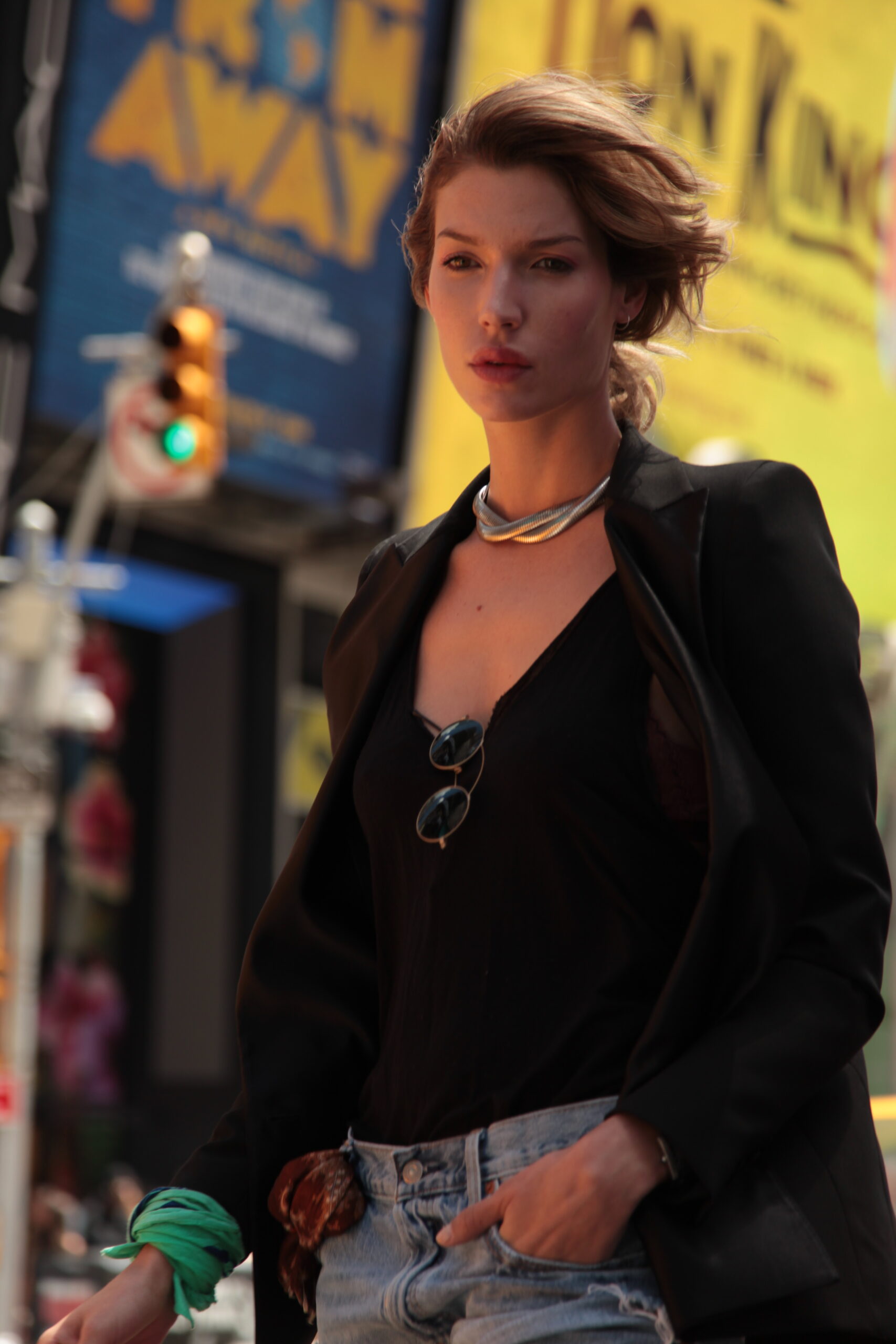
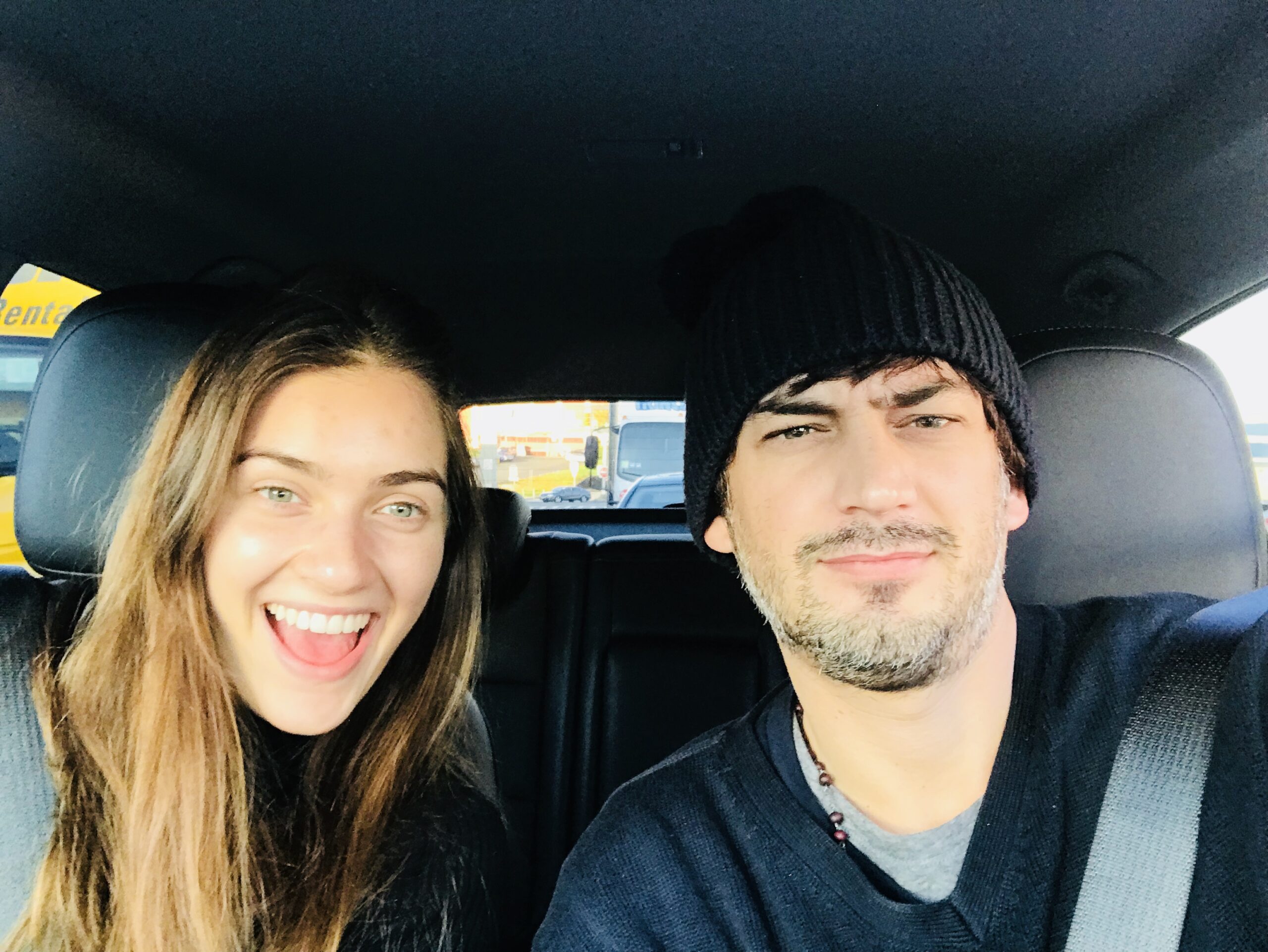













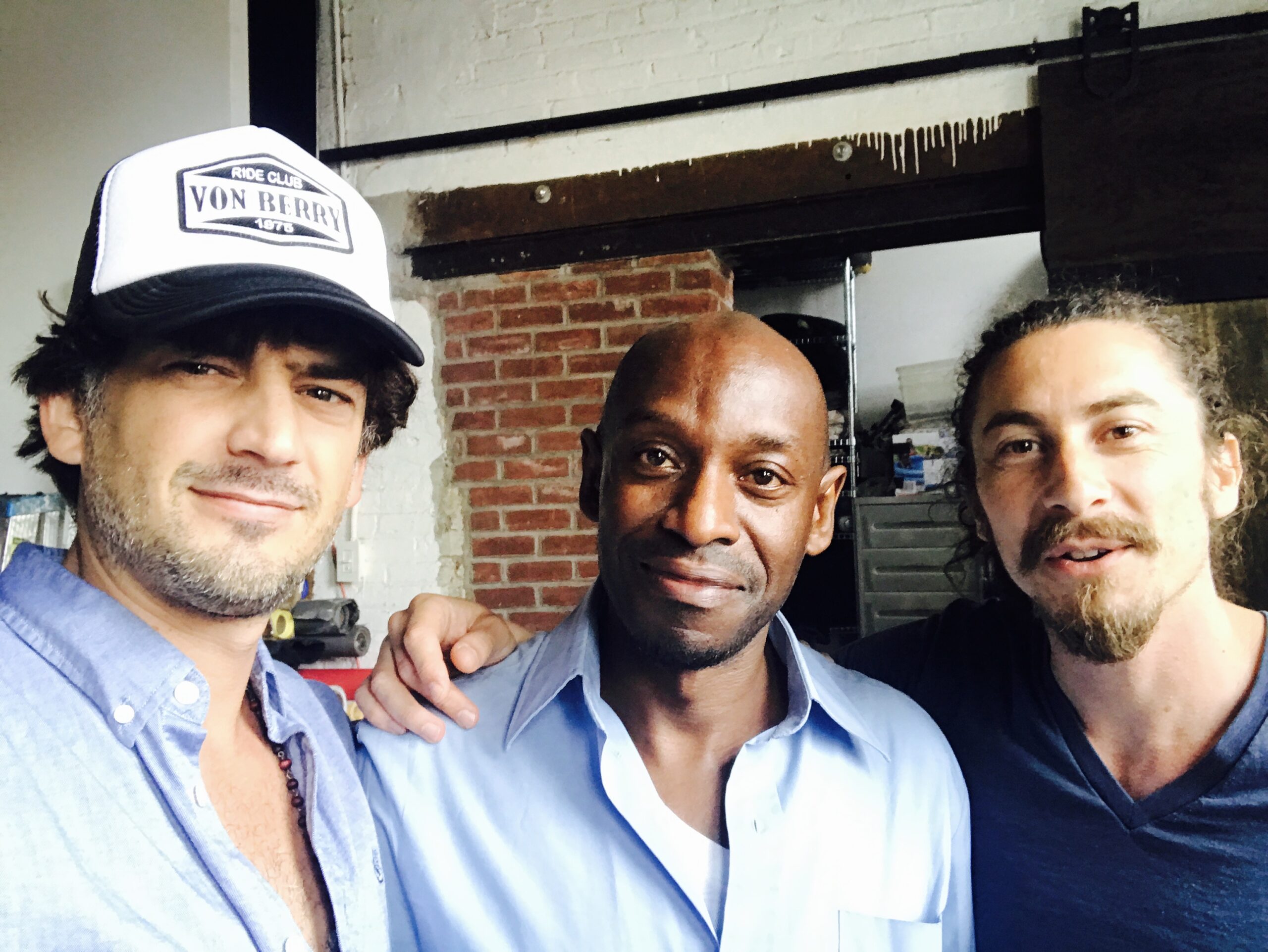
Memories







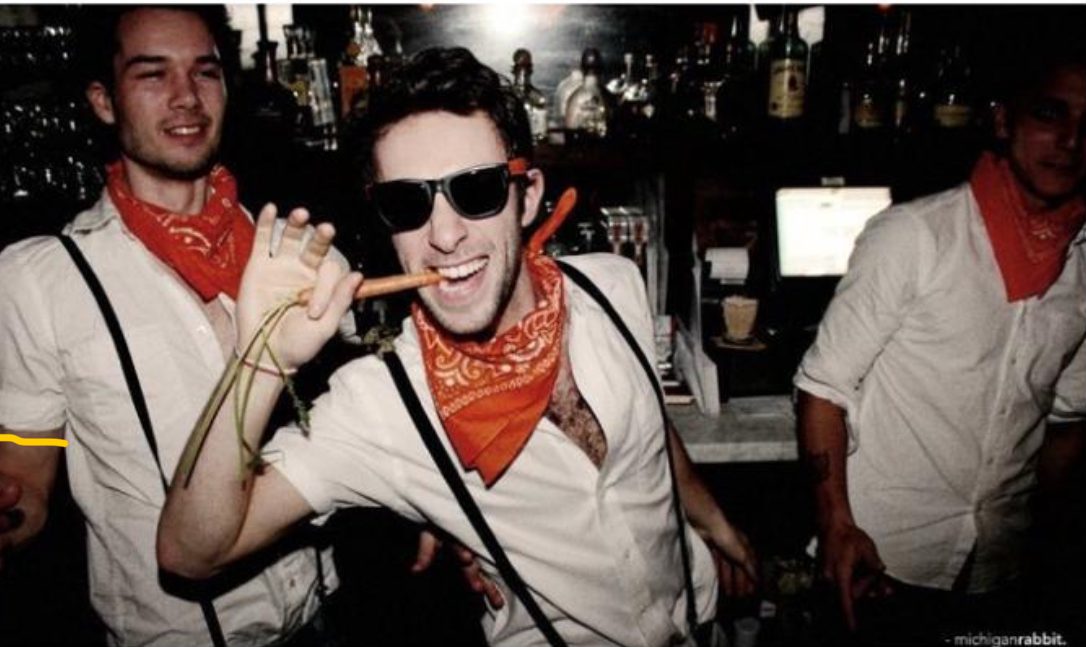

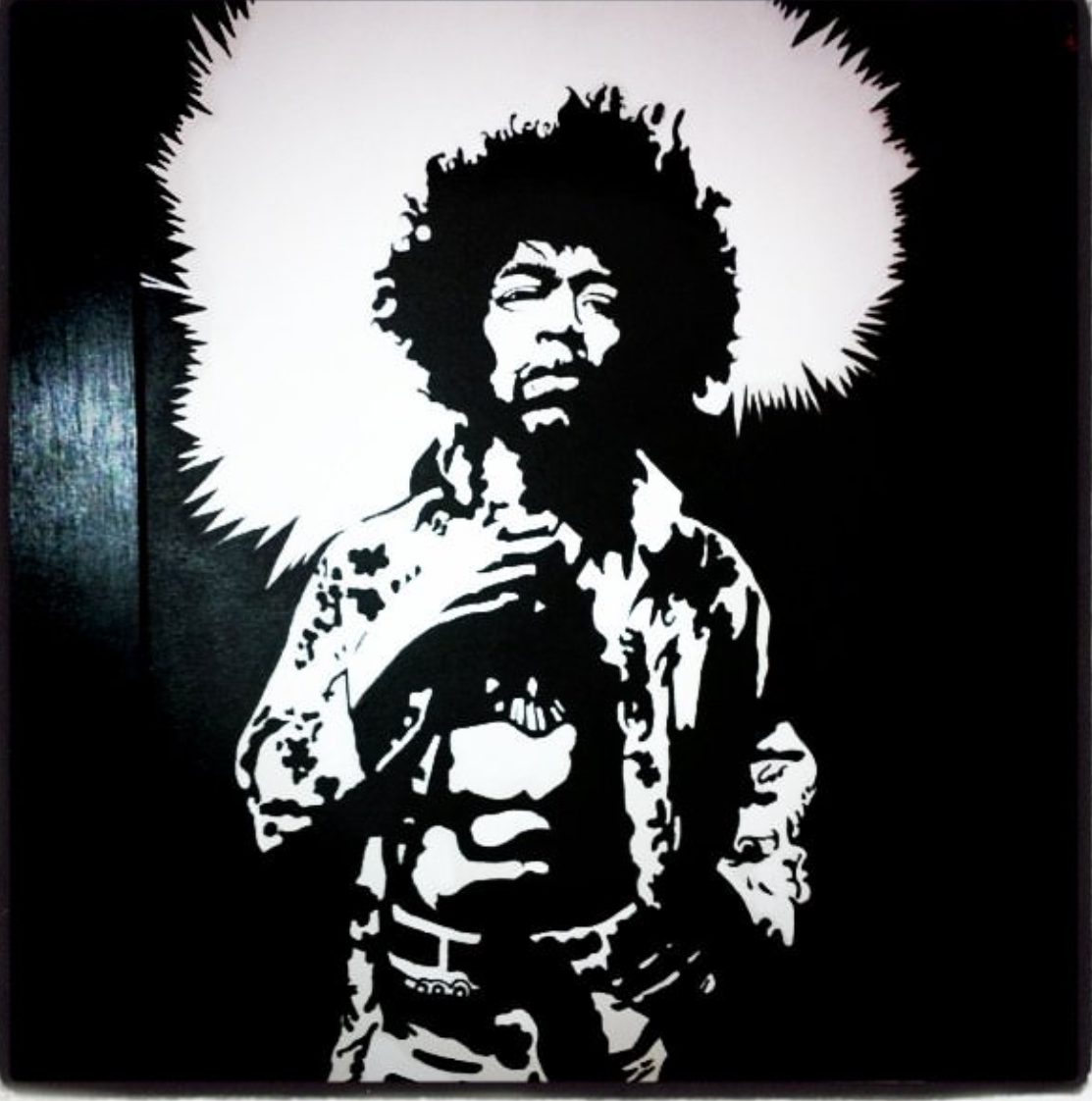



















Reviews

“Food tastes better with music.”
“The city’s least likely new hot spot.”

“I can’t imagine a space quite like this one in any other city.”

“Everything on the brunch menu was delicious.”
THE AMERICAN MENU
“The first restaurant in New York City to equip its waitstaff with Apple iPads to take orders.”
Daytonian in Manhattan
“De Santos: Located in a brick house that retains its 1834 charm, where ‘a wealth of social history has played out’.”